Cosy games often succeed because they provide comfort. They invite players into worlds where the stakes are manageable, the atmosphere is welcoming, and progress feels rewarding rather than stressful. Yet the very best titles in the genre offer something more than relaxation. They leave players with a sense of place, purpose, and emotional connection. Kooeh: A Timeless Delight understands this perfectly.
Developed by Malaysian studio Twilight Foundry Games, Kooeh arrives with a premise that feels deceptively simple. Restore a struggling family dessert café, rediscover lost recipes, and reconnect with your heritage. On paper, it sounds familiar. In execution, however, it becomes something far more meaningful. Beneath the charming visuals and cosy management mechanics lies a heartfelt story about cultural preservation, family memories, and the importance of keeping traditions alive before they disappear forever.
What makes Kooeh stand out from countless other restaurant management games is its unwavering commitment to authenticity. Rather than borrowing broadly from various cultures, it proudly celebrates Malaysian gastronomic history and Peranakan traditions. Every recipe, every character interaction, and every piece of lore feels rooted in genuine appreciation for the culture it represents. The result is one of the most charming and memorable cosy games in recent years.
Finding Home Through Food
The story begins with a protagonist many players may immediately recognise. They are a young professional trapped in the routine of modern city life, disconnected from the traditions that once shaped their identity. Returning home to help close down the family’s struggling dessert bistro feels like an unfortunate obligation rather than an opportunity.
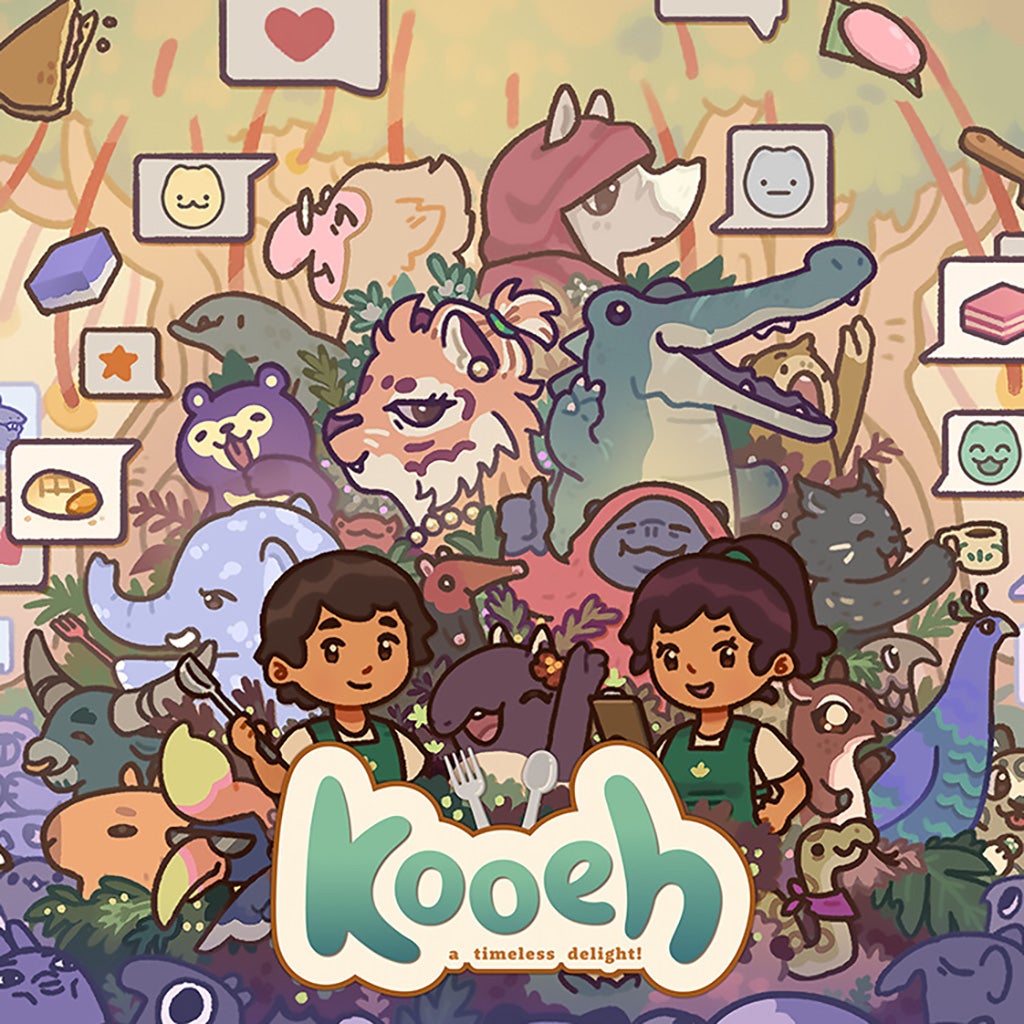
Then reality takes a wonderfully unexpected turn. Transported to a whimsical alternate realm inhabited by anthropomorphic animals inspired by Southeast Asian wildlife, our protagonist discovers a mysterious link between the fading restaurant and a collection of lost family recipes. Guided by the warm-hearted tapir Tana and a colourful supporting cast, the journey becomes as much about self-discovery as about restoring the business.
What impressed me most was the sincerity of the writing. Kooeh never feels overly dramatic or desperate to tug at heartstrings. Instead, it allows relationships and themes to develop naturally. Conversations are warm, humorous, and often surprisingly insightful. The game understands that food is more than nourishment. It is memory. It is history. It is identity. As the story unfolds, each recovered recipe feels like rediscovering a forgotten piece of family history.
Cooking With Heart
At its core, Kooeh is a restaurant management game, but it brings a refreshing sense of personality to the genre. Before dishes can be served, they must first be learned through rhythm-based cooking sequences. These mini-games capture the process of preparing traditional Malaysian desserts in an enjoyable, immersive way. Timing ingredients correctly and following preparation steps create a satisfying rhythm that makes learning new recipes genuinely rewarding.
Once mastered, recipes become available in the café. This is where the management side of the game takes centre stage. Customers arrive throughout the day with specific orders, and it becomes your responsibility to prepare and serve them efficiently while maintaining a smooth workflow.
The management systems strike an excellent balance between accessibility and engagement. There is enough challenge to keep you focused, but never so much pressure that the experience becomes stressful. Unlike many restaurant simulators that thrive on chaos and panic, Kooeh embraces a calmer pace that suits its themes perfectly. Rather than rushing through shifts, you are encouraged to savour them.
A Celebration of Malaysian Culture
The true magic of Kooeh lies in its educational value, which never feels didactic. Throughout the adventure, players encounter authentic Malaysian desserts such as kuih lapis, ondeh-ondeh, and other traditional delicacies. Each recipe includes historical context, cultural significance, and fascinating background information that greatly enriches the experience.
The integrated journal system deserves special praise. As recipes and memories are collected, players gain access to stories, facts, and cultural insights that transform the game into a living archive of culinary heritage. It is clear that Twilight Foundry approached this material with immense care and respect.
For players unfamiliar with Malaysian culture, Kooeh serves as a wonderful introduction. For those already familiar with these traditions, it feels like a heartfelt celebration of them. Very few games manage to educate without feeling like they are teaching. Kooeh achieves this effortlessly.
The Wishing Tree
One of the game’s most distinctive mechanics is the Wishing Tree. Inspired by real-world cultural traditions, the tree serves as a unique progression system that replaces more conventional upgrade structures. Instead of simply purchasing rare ingredients from a menu, players make wishes that gradually unlock valuable resources, recipe pages, and special opportunities.
It is a simple concept, yet it fits beautifully within the game’s themes of patience, hope, and tradition. Progress feels earned without becoming repetitive, and the mechanic adds an extra layer of personality to the overall experience. Small touches like this help Kooeh establish an identity that feels entirely its own.
A World Bursting With Warmth
Visually, Kooeh is absolutely delightful. Every character is beautifully illustrated in a hand-drawn style that radiates charm. The anthropomorphic animal cast instantly becomes lovable thanks to expressive animation and thoughtful character design. Meanwhile, the desserts themselves often look so appealing that they may leave players reaching for a snack.
The café, surrounding environments, and storybook-inspired presentation create a world that feels inviting from the moment you arrive. Soft colours, gentle animation, and detailed artwork combine to produce a genuinely cosy atmosphere that never loses its appeal.
Complementing the visuals is an equally impressive soundtrack. Gentle acoustic melodies and soothing instrumentals create the perfect backdrop for both café management and story exploration. The music never overwhelms the experience, instead enhancing the sense of comfort that defines the entire adventure. There is a warmth to Kooeh that extends through every aspect of its presentation.
A Slow Simmer Rather Than A Boil
If there is one area where Kooeh may divide players, it is pacing. The game is intentionally relaxed. Customer flow remains manageable, progression unfolds gradually, and upgrades arrive at a measured pace. For players seeking the frantic, multitasking chaos of games like Overcooked, the experience may feel almost too gentle at times.
Similarly, some of the early café customisation options feel somewhat limited. While the restaurant eventually becomes far more personalised and expressive, the opening hours can leave players wanting greater decorative freedom.
These issues are relatively minor and largely depend on personal preference. Kooeh clearly understands the experience it aims to deliver, and it rarely strays from that vision.
Final Verdict
Kooeh: A Timeless Delight delivers exactly what its title promises. It is sweet, comforting, and surprisingly enduring. Beneath its cosy management systems lies a heartfelt exploration of family, heritage, and cultural preservation, which gives every task genuine emotional significance.
Twilight Foundry Games has crafted something special here. Rather than chasing trends, the studio has created an experience rooted in authenticity and pride. Every recipe recovered, every customer served, and every story uncovered contributes to a journey that feels both deeply personal and universally relatable.
In a genre often filled with interchangeable cafés and generic fantasy settings, Kooeh stands out because it knows exactly where it comes from. That sense of identity elevates the entire experience, transforming a charming management game into something genuinely memorable. For fans of cosy games, narrative adventures, and cultural storytelling, Kooeh: A Timeless Delight is a treat worth savouring right down to the final bite.