There is a certain warmth that comes with revisiting a world built on optimism. Not the kind that feels forced, but the kind that leans fully into wonder and sincerity. Winx Club: The Magic is Back understands that tone from the moment it begins.
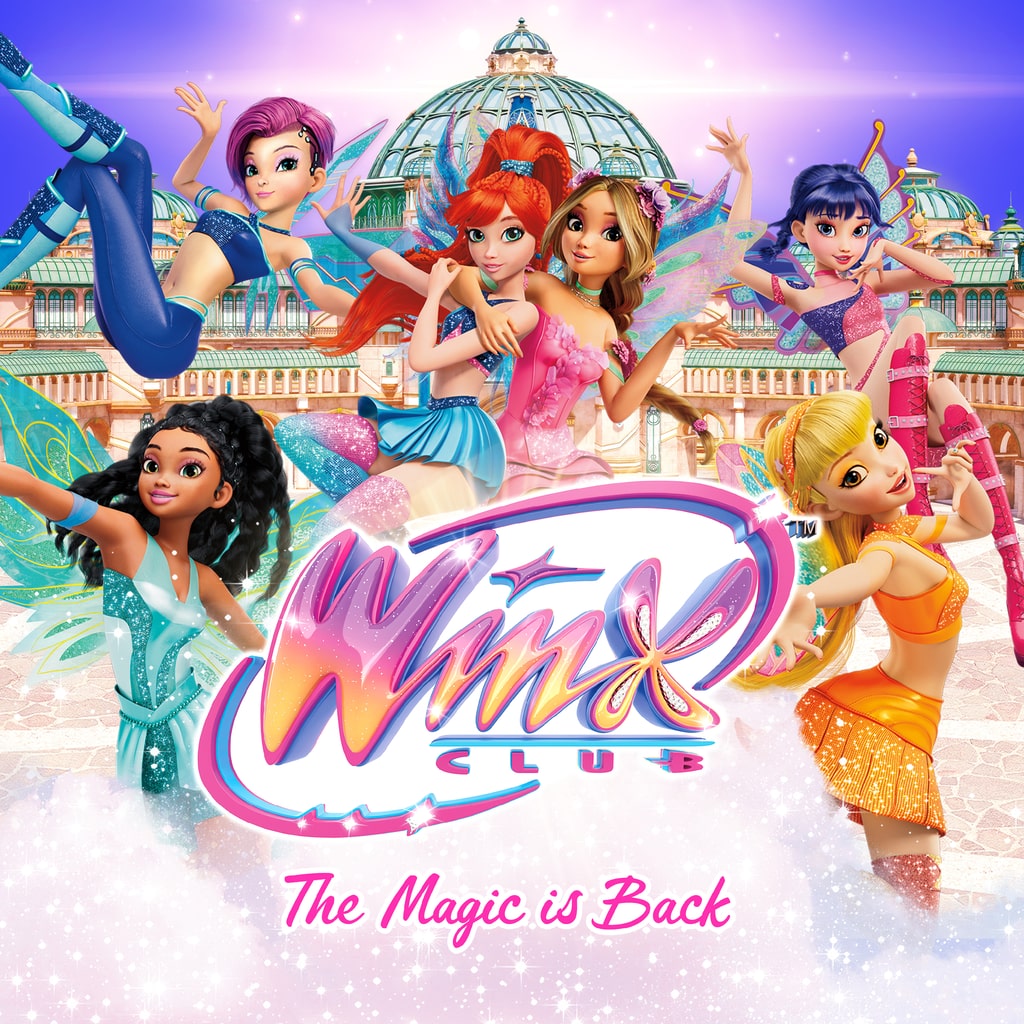
Developed by Iron Frog and published by Maximum Entertainment, this latest outing invites players back into the Magic Dimension, stepping into the wings of Bloom, Stella, Flora, Musa, Tecna, and Layla. It is a return that feels less like a reinvention and more like a reunion. For longtime fans, that familiarity is comforting. For newcomers, it is welcoming.
Six Fairies, One Flow
The core of The Magic is Back lies in its ability swapping system. You are not locked into a single character. Instead, you move freely between all six Winx fairies, each bringing a distinct magical identity to the field.
Bloom’s fire feels direct and powerful. Stella’s light carries a brightness that leans into control. Flora’s nature-based abilities offer a softer, more supportive approach. Musa introduces rhythm and sound into combat, while Tecna brings a more technical, almost analytical edge. Layla rounds things out with fluid, kinetic movement.
Switching between them is seamless. In practice, this creates a steady flow where combat and puzzle solving are built around recognising which ability fits the moment. It is not complex in a mechanical sense, but it is satisfying in how naturally it fits the structure of the game. There is a gentle encouragement to experiment, to find combinations that feel right rather than optimal.
Combat That Keeps It Simple
Combat in Winx Club: The Magic is Back is intentionally straightforward. You attack, dodge, and use abilities tied to each fairy’s elemental strengths. Enemies are designed around these elements, encouraging you to switch characters and respond accordingly.
This approach makes the game immediately accessible. There are no complicated combo systems to learn, no punishing timing windows to master. It is responsive, readable, and easy to pick up. However, that simplicity comes with limitations.
Over time, encounters can begin to feel repetitive. Enemy variety is present, but not always enough to sustain long-term engagement. Once you understand the basic loop, there are few surprises waiting beyond it.
For younger players or those looking for a relaxed experience, this is unlikely to be an issue. For more experienced action game fans, it may leave the combat feeling a little thin.
A World Built on Nostalgia
Where the game truly shines is in its world design. Locations like Alfea College, the Enchanted Forest, and the Desert Ruins of Red Fountain are recreated with a clear affection for the source material.
These spaces are not just backdrops. They carry a sense of identity. Alfea feels lively and familiar, a place of learning and connection. The Enchanted Forest leans into a softer, more magical atmosphere. The desert ruins introduce contrast, with harsher environments that still retain the game’s colourful aesthetic.
Exploration is guided but not restrictive. You move through these areas solving light environmental puzzles, often tied to the abilities of specific fairies. It is a steady, comfortable pace that mirrors the tone of the story. There is no rush here. The game is content to let you take in its spaces.
A Story That Knows Its Audience
Narratively, The Magic is Back plays things safe. The story revolves around restoring balance to the Magic Dimension, bringing the Winx together against a familiar kind of mystical threat.
It does not aim for dramatic reinvention. Instead, it focuses on capturing the spirit of the series. Friendship, teamwork, and self-belief are at the centre of everything.
Dialogue is warm and often lighthearted. Character interactions carry a sense of familiarity that fans will appreciate. There is a sincerity to how the game presents its world, one that avoids cynicism entirely. While the story may not surprise, it does resonate in its own gentle way.
Better Together
The addition of two-player local co-op is one of the game’s strongest features. Sharing the experience with a friend transforms the rhythm of play. One player can focus on combat while the other handles support, or both can experiment with different fairy combinations to find a balance that works.
There is a natural synergy in this setup. It reinforces the themes of teamwork that run through the Winx universe while also adding a layer of variety to gameplay.
It is not a competitive experience. It is collaborative in the best sense. Relaxed, enjoyable, and occasionally chaotic in a way that feels fun rather than frustrating. For many players, this will be the preferred way to experience the game.
Style That Stays True
Visually, Winx Club: The Magic is Back leans heavily into the aesthetic of the animated series. Bright colours, expressive character models, and a consistent art direction give the game a cohesive identity.
Animations are smooth enough to support the action, though not particularly detailed. Effects during combat are vibrant, with each fairy’s abilities clearly distinguished through colour and motion.
Sound design complements this approach. Magical effects are light and playful, and the soundtrack maintains an upbeat tone that fits the world. Voice acting captures the personalities of the characters without feeling overdone. It all works together to create an experience that feels authentic to its source.
The Limits of Simplicity
For all its charm, The Magic is Back does struggle to maintain momentum over longer sessions. The lack of mechanical depth means that repetition sets in sooner than it might in more complex action-adventure titles.
There is also a noticeable absence of systems that encourage long-term progression. Upgrades exist, but they do not significantly alter how the game is played. Once you have seen what each fairy can do, there are few surprises left. This does not undermine the experience entirely, but it does limit its longevity.
A Love Letter, Not a Reinvention
What Winx Club: The Magic is Back ultimately offers is a faithful, accessible return to a beloved universe. It does not attempt to push the genre forward or redefine expectations. Instead, it focuses on capturing a feeling.
For fans, that feeling is likely to be enough. For others, it may feel slight, a pleasant but fleeting experience that does not leave a lasting mechanical impression.
Final Verdict
Winx Club: The Magic is Back is a charming, accessible action-adventure that prioritises heart and familiarity over complexity. Its character switching system adds a layer of variety, and its co-op mode brings genuine joy when shared with a friend.
While its combat and structure can feel repetitive over time, it succeeds in delivering a warm, inviting experience that captures the essence of the Winx universe. It may not be transformative, but it does not need to be.