There is something quietly satisfying about watching order emerge from chaos. A handful of disconnected stations, a blank grid, and the simple act of drawing railway lines soon become an intricate network that hums with purpose. Railway Routes captures that appeal from the outset. Rather than overwhelming players with complicated management systems or sprawling transport empires, it focuses on the simple pleasure of solving one puzzle after another, asking you to think carefully before every piece of track is laid.
Developed by Rising Moon Games, Railway Routes presents itself as a cosy railway puzzler rather than a full-scale simulator. It is a game about planning, experimentation, and finding elegant solutions, rather than racing against the clock. With more than one hundred handcrafted stages, it steadily introduces new mechanics without ever losing sight of its calm, welcoming atmosphere. While that measured pace may not satisfy players searching for deep transport management, those willing to embrace its quieter ambitions will discover an experience that is surprisingly hard to put down.
Gameplay
The heart of Railway Routes lies in its straightforward premise. Each level presents a grid of stations, obstacles, and challenges. Your objective is to draw railway lines that connect everything while ensuring trains reach their destinations efficiently. It sounds almost effortless on paper, yet the brilliance lies in how quickly those simple rules evolve into genuinely thoughtful puzzles.
The early stages serve as a gentle tutorial, encouraging experimentation without punishment. You begin by connecting straightforward routes before gradually encountering obstacles that force you to reconsider what initially seemed obvious. Rivers, mountains, awkward layouts, and limited space begin to influence every decision. Sometimes the shortest route proves the worst option, forcing you to think several moves ahead before committing to a design.
One of the game’s greatest strengths is its willingness to reward creativity. There is rarely just one correct answer. Multiple solutions often exist, allowing players to discover layouts that suit their own style of thinking. That flexibility keeps frustration low while making successful completion feel genuinely earned. Instead of memorising a fixed solution, you develop an understanding of how the game’s systems interact.
The generous undo function deserves particular praise. Rather than punishing experimentation, Railway Routes actively encourages it. You can remove tracks, redesign sections, and completely rethink your approach without penalty. This creates an inviting environment where mistakes become opportunities rather than setbacks. Few puzzle games make failure feel this constructive.
Difficulty rises steadily throughout the lengthy campaign, though rarely in an unfair way. Each new mechanic builds naturally on previous lessons, giving players confidence before introducing another wrinkle to solve. This creates a rewarding sense of progression that consistently respects the player’s intelligence.
A Relaxing Puzzle Journey
The biggest surprise Railway Routes offers is how relaxing it remains, even as puzzles become considerably more demanding. There are no aggressive countdown timers pushing you into rushed decisions. Instead, every level invites you to pause, observe, and slowly piece together the ideal solution.
That slower rhythm transforms what could have become a stressful logistics exercise into something much closer to solving a crossword or assembling a jigsaw puzzle. There is immense satisfaction in watching a carefully planned network finally function exactly as intended. Trains glide along the routes you designed, stations connect, and everything clicks neatly into place.
Because of this deliberate pacing, Railway Routes fits perfectly into shorter play sessions. Completing a handful of puzzles during a coffee break feels just as rewarding as spending several uninterrupted hours progressing through later stages. It respects your time without demanding constant commitment.
The game’s structure also avoids unnecessary filler. Every puzzle introduces either a fresh challenge or an interesting variation on previous ideas. That careful pacing prevents repetition from becoming a serious issue, despite the impressive number of levels available.
Visuals and Presentation
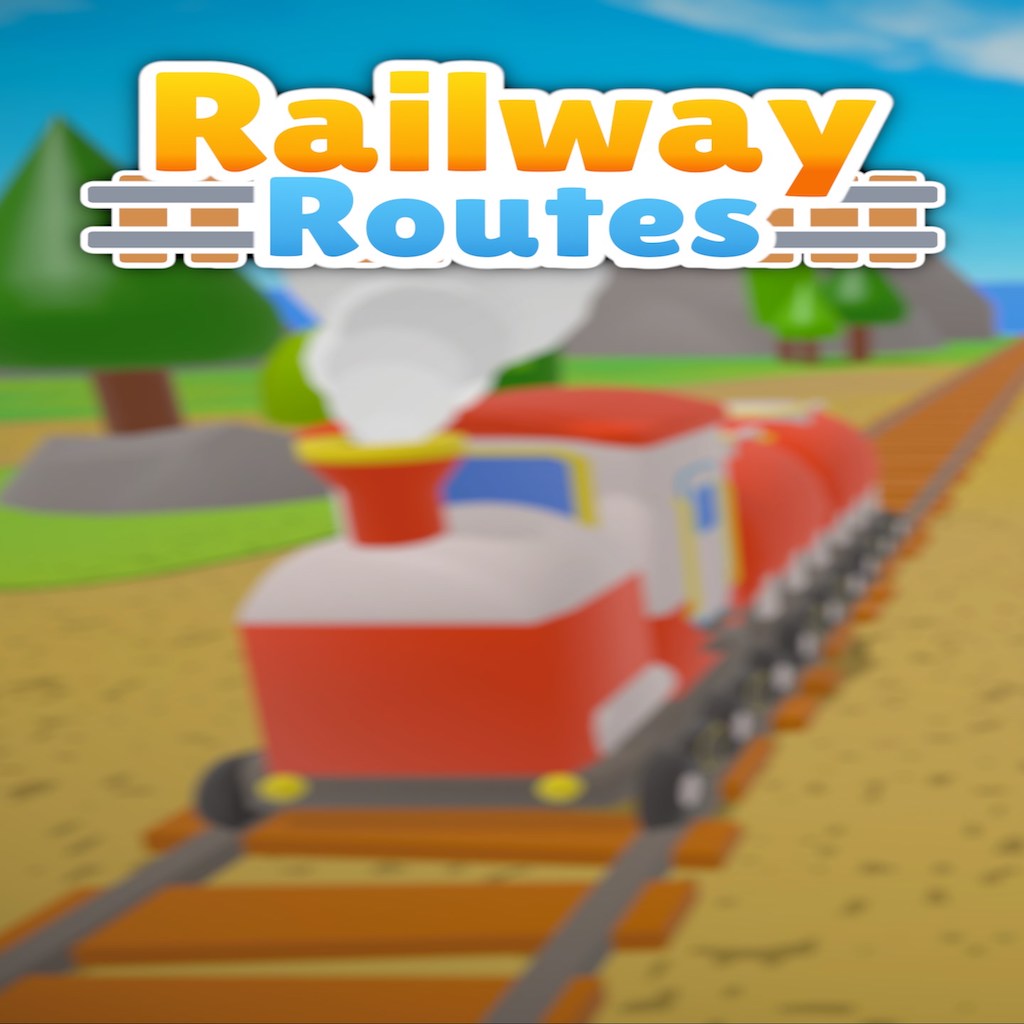
Railway Routes adopts a clean, minimalist presentation that perfectly complements its gameplay philosophy. Rather than cluttering the screen with unnecessary detail, it offers colourful grids, clear track layouts, and charming environmental touches that never interfere with puzzle-solving.
The cosy visual style immediately creates a welcoming atmosphere. Bright colours, soft animations, and uncluttered menus make every level feel inviting rather than intimidating. Even as networks become increasingly complex, readability remains excellent. You always understand where trains are travelling and how your routes interact with one another.
The animation is subtle but effective. Watching trains smoothly travel along lines you have carefully planned provides constant visual feedback that reinforces your accomplishments. Every completed route feels alive, rewarding successful planning with satisfying movement rather than flashy spectacle.
Menus are equally straightforward, ensuring nothing distracts from the puzzles themselves. It is a polished presentation that knows exactly what players need and wisely avoids unnecessary complications.
Sound Design
Audio plays a significant role in maintaining Railway Routes’ peaceful identity. Gentle background music creates a calm atmosphere without becoming repetitive or distracting. It settles into the background, allowing concentration while adding warmth to the overall experience.
Sound effects remain understated. The soft clicks of placing track, subtle train noises, and satisfying completion cues reinforce gameplay without overwhelming the senses. It is easy to spend long sessions solving puzzles because the audio never becomes tiring.
The soundtrack may not leave players humming memorable melodies long after finishing, but it accomplishes something arguably more important. It supports the game’s relaxed pacing and helps transform each puzzle into a calming exercise rather than a stressful challenge.
Longevity
With over one hundred handcrafted puzzles, Railway Routes offers excellent value for puzzle enthusiasts. Completionists can spend many hours discovering increasingly efficient layouts, while more casual players can comfortably work through the campaign at their own pace.
Replayability comes largely from optimisation rather than procedural generation. Because multiple solutions often exist, returning to earlier puzzles with fresh ideas remains surprisingly enjoyable. Finding cleaner, smarter layouts becomes its own reward, particularly as later stages introduce new ways of thinking.
Some players may eventually wish for larger-scale sandbox options or more advanced railway management systems. Railway Routes deliberately keeps its focus narrow, prioritising handcrafted logic puzzles over sprawling simulation mechanics. Whether that feels limiting depends entirely on what you expect from the experience. Fortunately, within its chosen niche, it remains remarkably confident. It never pretends to be something it is not.
Final Verdict
Railway Routes succeeds because it understands the appeal of elegant simplicity. It strips railway design down to its most satisfying elements and builds an entire experience around thoughtful planning, experimentation, and rewarding problem-solving. Every completed puzzle delivers that familiar sense of quiet accomplishment that keeps puzzle fans returning for just one more level.
Its cosy presentation, accessible mechanics, and generous approach to experimentation make it welcoming to newcomers, while the steadily increasing complexity ensures experienced puzzle players remain engaged throughout the lengthy campaign. Although those seeking a detailed railway management simulator may find its scope intentionally modest, anyone looking for a relaxing logic game will find plenty to appreciate.
Railway Routes may not reinvent the genre, but it executes its ideas with confidence and consistency. Like a well-designed railway itself, everything connects exactly where it should, creating a journey that feels smooth from beginning to end.