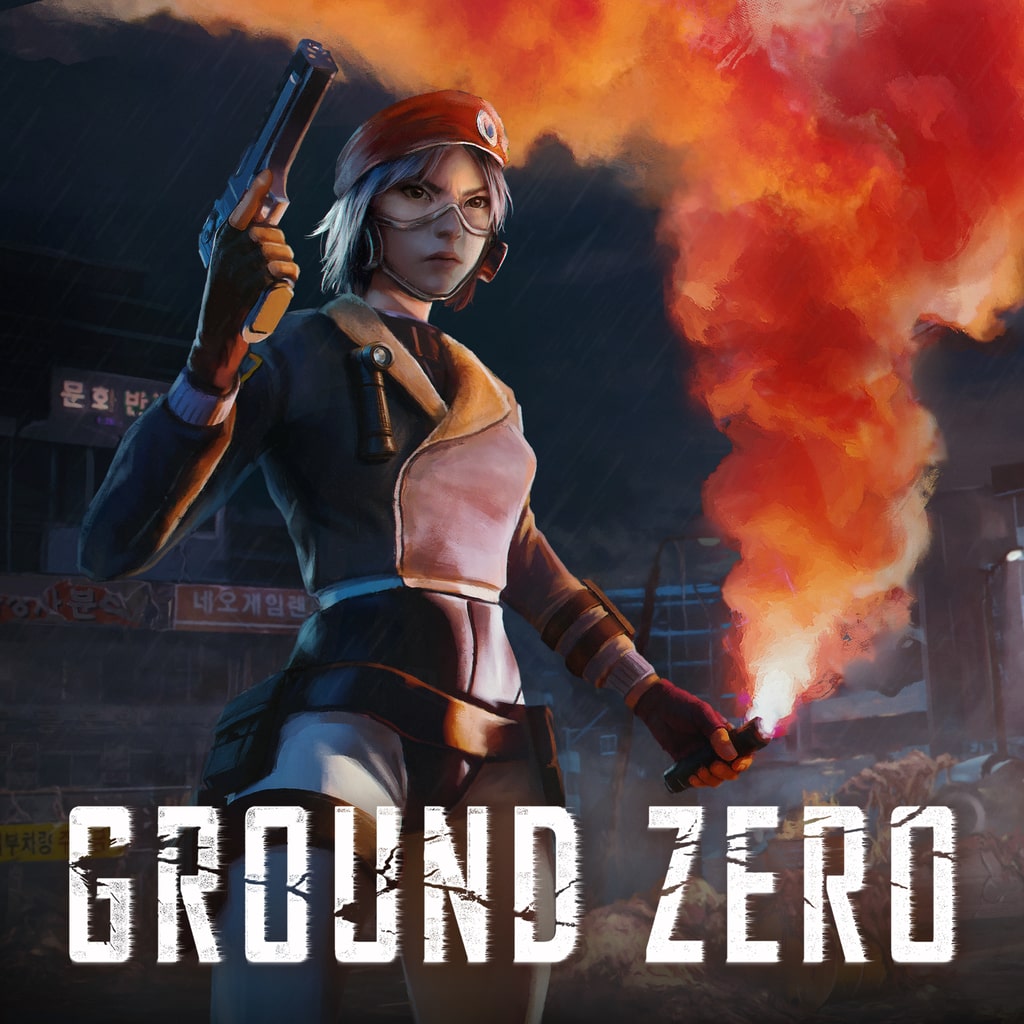
There’s a fine line between homage and imitation in survival horror, and Ground Zero walks it with a deliberate, sometimes uneasy gait. Developed by Malformation Games, this newly released title leans heavily on the aesthetics and structure of late-90s classics, from fixed camera angles to pre-rendered backdrops. Yet it also attempts to modernise the formula with fluid combat, upgrade systems, and a more cinematic narrative. The result is a game that feels both reverent and conflicted, occasionally brilliant, and occasionally stuck in the past it so clearly idolises.
Story & Setting
Set in a devastated Busan following a catastrophic meteor impact, Ground Zero wastes little time establishing its tone. The premise is simple yet effective: two operatives, Seo-Yeon and her Canadian partner, are deployed to investigate the aftermath once the environment becomes marginally survivable. What they discover is less a natural disaster than a biological nightmare. The city is blanketed in fog, twisted by alien growths, and populated by grotesque mutations that feel like equal parts cosmic horror and bio-organic collapse.
The narrative unfolds in a measured, sometimes frustratingly opaque fashion. Environmental storytelling does much of the heavy lifting, with scattered notes, recordings, and visual cues hinting at what really fell from the sky. There’s a strong sense of dread in piecing together the truth, though the pacing can feel uneven. Some revelations land with genuine impact, while others are buried under obtuse puzzle gating or awkward backtracking. Still, there’s an undeniable pull to the mystery, especially as the game leans further into its more surreal and unsettling ideas.
Gameplay & Combat
Combat is where Ground Zero makes its most overt attempt to modernise. While the game offers optional tank controls for purists, it also supports more fluid movement and aiming. Seo-Yeon is a capable protagonist, blending firearms with close-quarters combat in a way that feels responsive, if not always perfectly balanced. Shooting is satisfying, with weighty feedback and a decent variety of weapons, though melee combat can be inconsistent. Timing-based counters and kicks add depth, though hit detection occasionally falters, leading to frustration in tighter encounters.
The Genome Points system is an interesting addition, rewarding cleaner, more efficient kills with currency for upgrades. In theory, it encourages skillful play. In practice, it can feel slightly at odds with the survival horror ethos. There’s a subtle pressure to play “well” rather than simply survive, which may not sit comfortably with players expecting a more traditional, resource-scarce experience. That said, the upgrades themselves are meaningful, offering tangible improvements that can make later sections more manageable.
Enemy design is a clear highlight. The creatures that roam Busan are deeply unsettling, blending human forms with alien mutations in ways that feel unpredictable and grotesque. Some shamble in familiar ways, while others move with disturbing speed or unnatural contortions. Boss encounters, in particular, are memorable set-pieces, pushing the game’s visual design and mechanical demands to their limits. These fights can be punishing, but they rarely feel cheap, requiring a mix of observation, timing, and resource management.
World Design & Exploration
Visually, Ground Zero is striking in a way that feels almost paradoxical. The pre-rendered backgrounds are gorgeously detailed, capturing the eerie stillness of a ruined coastal city. From collapsed temples to flooded streets and flickering neon districts reclaimed by decay, the environments are consistently evocative. The fixed camera angles, while divisive, are used cleverly to obscure threats and build tension. You’ll often hear something long before you see it, and when it finally lurches into view, the framing does much of the work in selling the horror.
Character models and animations, however, don’t always match the quality of the backgrounds. While Seo-Yeon is convincingly animated in combat, there are moments of stiffness in quieter scenes. Facial expressions can feel limited, which undercuts some of the emotional beats. It’s not a deal-breaker, but it does highlight the gap between the game’s artistic ambition and its technical execution.
Exploration is methodical, often requiring backtracking through previously visited areas once new items or abilities are obtained. This design will feel familiar to genre veterans, though it can occasionally disrupt the pacing for those less patient.
Puzzles & Progression
Puzzles, another staple of the genre, are a mixed bag. Some are cleverly integrated into the environment, requiring you to think spatially or interpret subtle clues. Others lean towards the obscure, occasionally halting the game’s momentum as you search for a solution that feels just out of reach. There’s a certain nostalgic charm to this design, but it can also feel dated in less flattering ways.
Progression is closely tied to both puzzle-solving and combat efficiency, particularly through the Genome Points system. This dual focus can create an interesting tension between careful exploration and skill-based play, though it does not always strike the perfect balance.
Audio & Atmosphere
Sound design does much of the heavy lifting in maintaining tension. The ambient audio, from distant metallic groans to the low hum of the corrupted landscape, creates a constant sense of unease. Enemy sounds are particularly effective, often signalling danger before it’s visible. The soundtrack is used sparingly, allowing silence and environmental noise to dominate, which suits the game’s tone perfectly.
Atmosphere is arguably where Ground Zero excels most. The combination of visual design, sound, and deliberate pacing creates a lingering sense of dread that few modern horror titles sustain.
Replay Value & Extras
Replayability is another area where Ground Zero leans into its influences. Unlockable outfits, additional modes, and hidden endings encourage players to revisit the game. Custom difficulty settings also let players tailor the experience, whether they prefer a more forgiving journey or a brutal test of endurance. It’s a welcome inclusion, especially for a game that clearly expects to be replayed.
Final Verdict
However, the game’s commitment to retro design is both its greatest strength and its biggest limitation. The fixed camera system, while effective at building tension, can occasionally obscure critical information, leading to cheap hits. Inventory management and backtracking, staples of the genre, sometimes feel like obligations rather than engaging mechanics. These elements will resonate with fans of classic survival horror, but they may alienate newcomers expecting a smoother, more modern experience.
Ultimately, Ground Zero is a game caught between eras. It clearly reveres the past, drawing heavily on the foundations laid by genre-defining titles, but it doesn’t always reconcile those influences with its more modern ambitions. When it works, it delivers moments of genuine dread and visual splendour. When it doesn’t, it feels like a relic struggling to justify its design choices.
Still, there’s something compelling about its commitment. In an era when many horror games lean towards action or cinematic spectacle, Ground Zero dares to be slower, stranger, and more deliberate. It doesn’t always succeed, but it rarely feels generic.