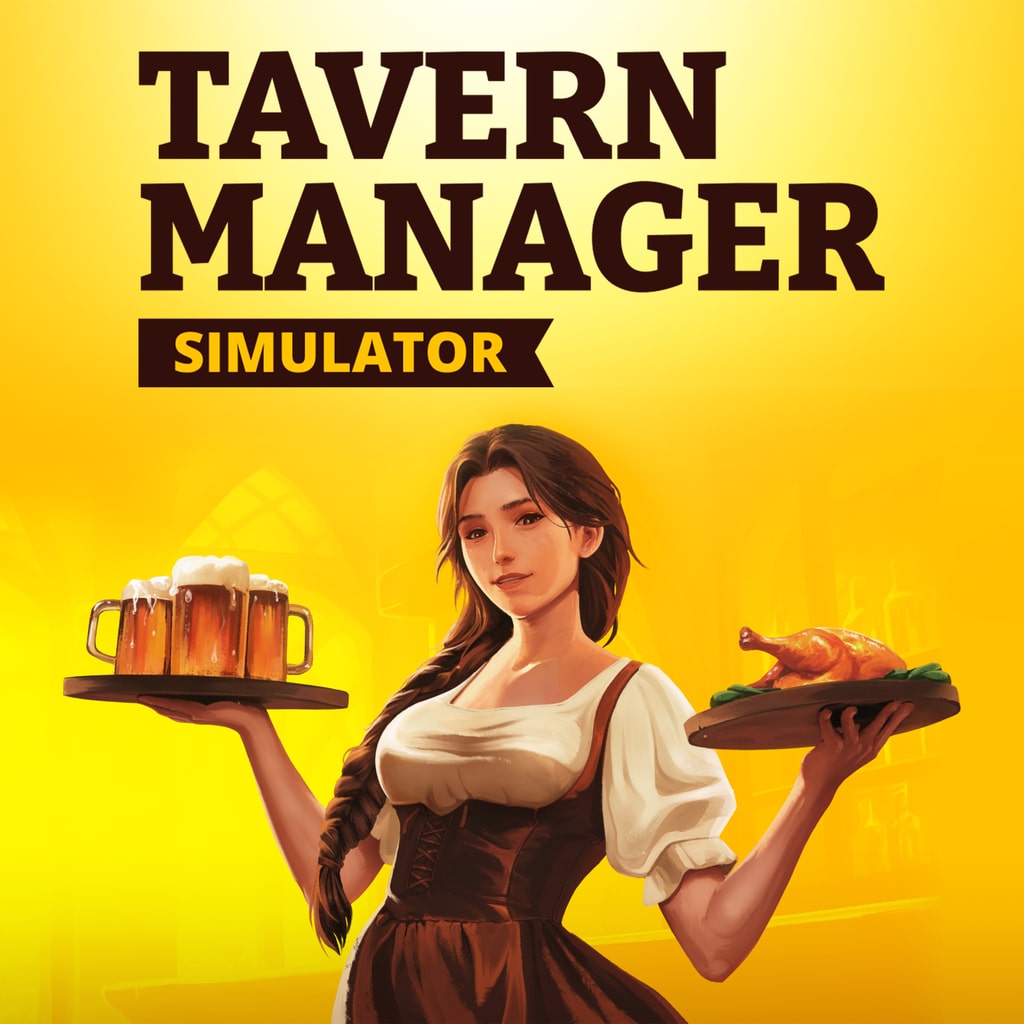
Simulation games have long offered players the opportunity to step into roles we never expected — from farming and city building to running a railway empire. Tavern Manager Simulator adds its own flavour to this pantheon by placing you behind the counter of a lively inn where beer flows, patrons chatter, and profit hinges on a blend of strategy and hospitality.
Rather than glamorising heroics or epic quests, this game zeroes in on the deliberate rhythms and colourful chaos of tavern life. You manage stock, set prices, hire staff, placate patrons, and expand services against a backdrop of rustic woodwork and roaring hearths. It’s a refreshingly grounded management experience that rewards thoughtful planning and adaptability.
The core loop — serve customers, balance resources, optimise operations, and grow your tavern — is familiar to fans of management sims, but Tavern Manager Simulator delivers it with personality and polish. It isn’t just about keeping the drinks flowing; it’s about cultivating an inn that becomes the beating heart of a thriving settlement.
Core Gameplay: Pouring Pints and Managing Chaos
At its essence, Tavern Manager Simulator revolves around two interlocking systems:
- Operational Management: Stocking supplies, hiring staff, setting prices, maintaining facilities
- Customer Satisfaction and Flow: Catering to diverse patrons, managing crowds, and maintaining a welcoming atmosphere
These systems interact in ways that feel intuitive yet deep. Keeping stock levels balanced is more than checking inventory — it requires anticipating demand, negotiating supply costs, and planning ahead for busy evenings. Running out of ale during peak hours doesn’t just dent profits; it damages reputation, encouraging regulars to patronise rival inns.
Managing Resources: Beer, Bread, and Balance
Resource management is the backbone of the simulator. The game challenges you to think like a meticulous innkeeper:
- Stock Tracking: Keep tabs on supplies like ale, bread, meat, and speciality ingredients. Overstocking ties up capital; understocking leads to disappointed patrons.
- Supplier Contracts: Negotiate with merchants for better deals or rarer goods, but watch out for fluctuating prices that can affect your margins.
- Facility Maintenance: Tables get worn, taps need cleaning, and the hearth needs fuel — neglect these, and overall satisfaction drops.
What makes this system engaging is the inherent tension between immediate needs and long-term planning. Do you invest heavily in premium stock to impress high-spending patrons, or build a steady reputation with consistently good service? Choices like this ripple outward, shaping your inn’s identity over time.
Patron Dynamics: More Than Just Hunger
Customers in Tavern Manager Simulator aren’t indistinguishable blobs with wallets — they’re caricatures with preferences, emotions, and social needs.
Patron types include:
- Brawlers: Love a good drink and entertainment but can disrupt harmony
- Merchants: Spend big on premium items but expect speed and quality
- Travellers: Unpredictable in preference and loyalty
- Regulars: Provide steady income and goodwill when satisfied
Each category interacts differently with your tavern’s ambience, pricing, and service speed. Catering to one group excessively might alienate another, encouraging you to consider balance in how you position your business.
Adding depth, patron satisfaction isn’t static. Seating arrangements, service speed, music from bards, clean floors, and even tavern temperature subtly influence mood and spending habits. These dynamics elevate customer interactions from “collect coins” to “curate atmosphere.”
Staffing and Delegation
Behind every successful tavern is a team of capable staff, and managing them is half the fun. Hiring isn’t merely a numbers game — each staff member comes with unique strengths and quirks.
- Waitstaff: Speed versus thoroughness
- Bartenders: Efficient pourers versus charismatic entertainers
- Cooks: Quality food versus speed
- Bouncers: Keep rowdy behaviour in check
Assigning roles, balancing workloads, and upgrading staff skills adds a strategic layer that keeps the game from feeling like simple resource juggling. A well-coordinated team can turn a chaotic Friday night into a roaring success — but mismanaging roles can leave tables waiting and profits slipping.
Visual and Audio Presentation
Tavern Manager Simulator embraces a warm, rustic art style that evokes wood-smoked interiors, glowing hearths, and the buzz of tavern life. Characters are expressive without being overly detailed, and animated sequences — like ale being poured or food arriving at tables — provide satisfying visual feedback without clutter.
The soundtrack complements the theme well. Lively tavern tunes, clinking glasses, murmured conversations, and occasional laughter contribute to immersion rather than distraction. Audio cues also play a functional role: a sudden outcry means someone’s displeased, while applause might signal a successful evening event.
Pacing and Player Experience
Pacing is deliberate. Early in the game, slow evenings allow players to learn mechanics without pressure. As your tavern grows, things pick up. Rush hours become genuine tests of coordination, and seasonal events — like festivals or visiting dignitaries — shake up routine.
However, the game never pushes players into full-on chaos. It rewards anticipation over reactionary play. There’s a satisfying rhythm to the day/night cycle, where preparation during quieter hours pays off when tables fill and candles flicker.
That said, the lack of penalising systems means the difficulty curve is gentle. Players seeking punishing optimisation challenges might find peaks in pacing underwhelming. But for those who enjoy thoughtful planning and pacing that respects patience, the tempo is exactly right.
Replayability and Longevity
Replay value stems from the variety in tavern styles you can cultivate. A budget-friendly tavern catering to travellers feels very different from a high-end establishment hosting nobles. Random events, supplier deals, and staff personalities add variability to each playthrough.
Achievements, unlockable decor, and unique staff recruitments offer additional incentives to revisit the game. While the core loop stays consistent, the paths you take to success differ enough to encourage experimentation.
Where It Could Improve
No game is perfect, and Tavern Manager Simulator has a few rough edges:
- Lack of Narrative Drive: Unlike narrative sims with quests or character arcs, the simulator stays firmly in mechanics-first territory. Players craving story depth might find this limiting.
- UI Complexity at Higher Levels: As your tavern grows, menus and stats can feel dense. A few quality-of-life improvements — better filters, faster management shortcuts — would help.
- Predictability in Late Game: After mastering core systems, the late game can feel like replaying the same loops with scaled difficulty rather than new challenges.
These issues are by no means deal-breakers, but smoothing them would elevate the experience further.
Final Verdict
Pros:
- Deep, engaging resource and patron management
- Charming presentation and atmosphere
- Accessible yet layered mechanics
- Strong replay potential with varied tavern styles
Cons:
- Sparse narrative elements
- UI becomes dense at higher complexity
- Late-game systems could be more varied
Summary:
Tavern Manager Simulator is a thoughtful and engaging management sim that turns the everyday chaos of innkeeping into a satisfying strategic experience. It blends classic resource management with character interaction, atmospheric visuals, and a pacing that rewards planning over reaction.
While it may not reinvent the genre, it delivers a finely crafted simulation that welcomes both newcomers and veterans of management games. If you’ve ever wondered what it takes to run the tavern of your dreams (or nightmares), Tavern Manager Simulator offers a richly detailed seat at the table.