For over a decade, World of Tanks has been synonymous with deliberate, tactical warfare. Matches were often slow burns in which positioning, patience, and map knowledge mattered far more than quick reflexes. It was a formula that earned a devoted audience, but it increasingly felt tied to a different era of online gaming. World of Tanks: HEAT changes that.
Rather than simply updating the original experience with prettier visuals and newer tanks, Wargaming has rebuilt its armoured warfare formula from the ground up. The result is a free-to-play multiplayer shooter that borrows ideas from hero shooters, objective-based arena games, and modern competitive multiplayer design, while preserving the satisfying weight and brutality of tank combat.
That combination could have easily led to an identity crisis. Instead, HEAT carves out a unique niche for itself. It is not trying to replace the original World of Tanks. It is attempting to answer a different question entirely: what would tank warfare look like if it were designed for today’s multiplayer landscape? The answer is surprisingly compelling.
The Human Behind the Machine
The most obvious change is the introduction of Agents. Each Agent brings passive abilities, active skills, and powerful ultimate abilities that can shape the flow of battle. At first glance, the system feels like a direct lift from hero shooters, but in practice it integrates remarkably well with the armoured combat framework.
Some Agents excel at defensive play, creating temporary cover or fortifying positions. Others focus on reconnaissance, helping teams gather information more efficiently. A few specialise in aggressive assaults, boosting mobility or reducing reload times at critical moments.
What makes the system work is restraint. HEAT avoids the temptation to turn its characters into walking superweapons. Tanks remain the stars of the show. Agent abilities enhance combat rather than overwhelm it, creating meaningful tactical options without undermining the importance of positioning and teamwork.
Experimenting with different Agent and tank combinations quickly becomes one of the game’s most enjoyable elements. Finding a setup that perfectly complements your preferred playstyle delivers the sort of satisfaction that keeps players coming back for just one more match.
Fast-Paced But Surprisingly Tactical
The biggest shock for long-time World of Tanks veterans will be the pace. HEAT moves quickly. Respawns are immediate in most modes, objectives constantly demand attention, and teams are encouraged to stay active rather than hunker down behind cover for extended periods. On paper, that might sound like a recipe for chaos.
Thankfully, the developers have struck a strong balance between accessibility and strategy. Matches remain heavily dependent on map awareness and communication. Charging blindly into combat rarely ends well. The difference is that mistakes are no longer punished by ten minutes spent spectating the rest of the match. Players are free to take calculated risks, experiment with tactics, and immediately rejoin the action if things go wrong.
This change transforms the overall flow of combat. Every battle feels alive, with momentum constantly shifting between teams. Objectives become focal points for dramatic clashes, while coordinated pushes can completely change the complexion of a match within moments. The result is a game that feels energetic without becoming mindless.
Information Wins Battles
One of HEAT’s smartest additions is its multi-stage spotting system. Information has always been valuable in multiplayer games, but few titles make intelligence gathering feel as important as it does here. Enemy vehicles progress through several visibility states before becoming fully identified targets.
Initially, players may catch only a glimpse of a distant silhouette. Continued observation or assistance from teammates gradually reveals more details, such as health, distance, and precise positioning. Once fully identified, critical data becomes available to the entire team.
This adds a fascinating layer of strategy that goes beyond simply shooting accurately. Scouting becomes genuinely valuable. Positioning takes on greater importance. Coordinated teams gain significant advantages through communication and information sharing. Even players who prefer support roles can contribute meaningfully without relying solely on damage output. It is one of those systems that feels simple on the surface but adds remarkable depth to every engagement.
Steel, Fire, and Spectacle
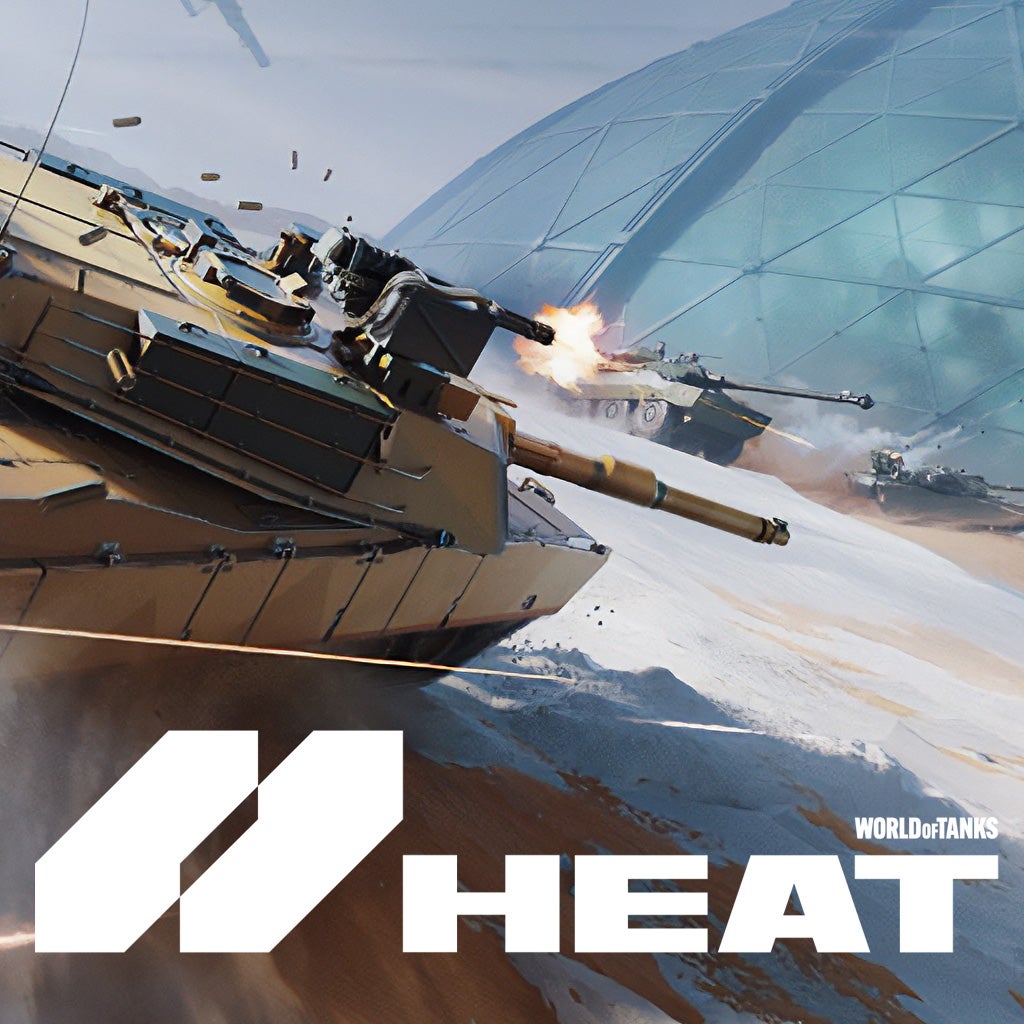
HEAT also showcases Wargaming’s new technology. The game’s custom engine delivers genuinely impressive visuals. Tanks feel heavy and imposing. Explosions send debris scattering across the battlefield. Particle effects fill the air with smoke, sparks, and shattered fragments of armour.
More importantly, the action remains readable despite the visual spectacle. This is an area where many modern shooters struggle. Excessive effects often obscure critical information, making firefights frustrating rather than exciting. HEAT generally avoids that trap. Even during intense battles involving multiple vehicles and overlapping abilities, it remains easy to understand what is happening around you.
The sound design deserves praise as well. Every cannon blast carries tremendous weight, while impacts deliver satisfying feedback that reinforces the power of these machines. There is a physicality to the combat that makes every encounter feel impactful. When everything comes together, HEAT creates genuinely spectacular battlefield moments.
Progression Done Right
As a free-to-play title, HEAT’s progression systems are always worth scrutinising. Thankfully, HEAT handles progression more intelligently than many of its contemporaries. Unlocking upgrades, experimenting with modules, and refining vehicle builds provide a steady sense of advancement without obvious pay-to-win concerns.
The emphasis remains on player skill rather than wallet size. Success depends far more on understanding your chosen tank, learning map layouts, and working effectively with teammates than on purchasing shortcuts.
There is still a grind, as expected from a free-to-play game, but it rarely feels oppressive. New unlocks arrive at a steady pace, encouraging experimentation without making players feel trapped in endless progression loops. That sense of fairness is crucial for a competitive multiplayer game, and HEAT largely gets it right.
Not Every Idea Lands Perfectly
For all its strengths, HEAT is not without flaws. The Agent system, while generally well balanced, occasionally creates situations where ability combinations feel more influential than they should be. Certain team compositions can create frustrating momentum swings, particularly when coordinated groups face less organised opponents.
There is also an inevitable learning curve. New players must grasp tank mechanics, Agent abilities, map layouts, spotting systems, objective priorities, and upgrade options at once. The onboarding process reasonably introduces these concepts, but the sheer volume of information can still feel intimidating in the opening hours.
Matchmaking can be inconsistent as well. Some battles feel wonderfully balanced and competitive, while others become one-sided affairs decided within the first few minutes. These issues are hardly unique to HEAT, but they are noticeable enough to occasionally disrupt the experience. Fortunately, none of these problems fundamentally undermine the game’s strengths.
Final Verdict
World of Tanks: HEAT could have played it safe. Wargaming could have simply updated its established formula, added a few modern conveniences, and relied on brand recognition to carry the experience forward.
Instead, the studio took a risk. By blending hero shooter concepts, objective-based gameplay, modern vehicle combat, and tactical team coordination, HEAT feels genuinely distinct in today’s crowded multiplayer market. It respects the strategic roots of armoured warfare while embracing a faster, more accessible structure that keeps players engaged from start to finish.
Most importantly, it remains fun. Every match offers opportunities for clever plays, dramatic comebacks, and memorable teamwork. Whether you are scouting enemy positions, coordinating a final objective push, or landing a perfectly timed shot that turns the tide of battle, HEAT consistently delivers the kind of excitement great multiplayer games thrive on.
It may not replace traditional World of Tanks for everyone, but it was never trying to. Instead, it charts its own path and proves there is still plenty of room for innovation in armoured combat.