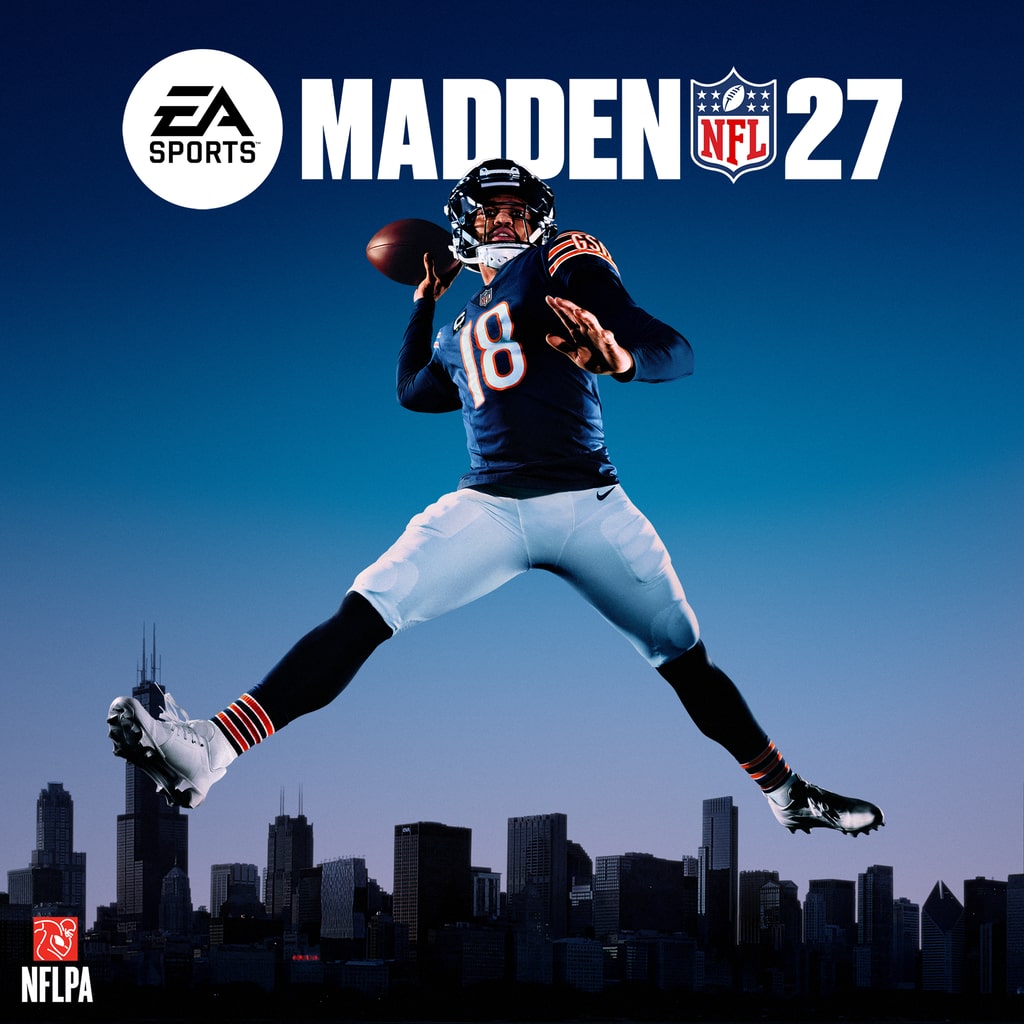
EA SPORTS Madden NFL 27 opens with a clear intention to push beyond annual update expectations. The introduction of the Persona Engine is not merely a feature addition but a structural rethink of how the league operates in Franchise mode. Every player now has a behavioural identity that influences contract talks, locker room dynamics, and even how they respond to momentum swings during games. It gives the league a sense of internal tension that was previously missing, making roster management feel like navigating personalities rather than balancing numbers.
What stands out early is how this changes the rhythm of a season. Free agency is no longer a predictable cycle of upgrades and replacements. Instead, it becomes a negotiation of ego, demand, and circumstance. A star receiver might refuse a logical contract extension not because of money alone, but because of perceived role satisfaction or team direction. It adds friction that feels intentional, sometimes frustrating, yet undeniably more realistic than what came before.
Sunday Atmosphere and Broadcast Identity
The presentation takes a noticeable step forward this year, particularly in how games are framed as part of a wider NFL narrative. The addition of expanded Sunday Traditions gives each stadium a stronger identity, from regional quirks to pre-game rituals that genuinely influence how matches are perceived. It is not just visual dressing either, as broadcast segments now integrate league-wide context that makes individual games feel part of a larger, evolving story.
Scott Hanson’s inclusion in the halftime presentation is a subtle but effective change. Instead of purely analysing plays in isolation, the broadcast now occasionally zooms out to highlight league trends, playoff implications, and shifting momentum across divisions. It gives each matchup a sense of consequence that extends beyond the final whistle. While not revolutionary in structure, it helps Madden 27 feel more connected to the sport it seeks to simulate.
The Defensive Turnaround
The most significant changes in Madden NFL 27 are on defence, where EA has clearly focused its mechanical attention. The combination of Look for Work logic and Plaster behaviour fundamentally changes how defensive players react to broken plays. Instead of static assignments, defenders actively adjust to developing situations, responding to quarterback improvisation and route disruption in a way that feels more instinctive than scripted.
The secondary, in particular, feels transformed. Customisable alignment settings allow granular control over spacing, depth, and leverage, making defensive preparation feel closer to real coaching decisions. It also raises the skill ceiling significantly, as success now depends on understanding formations rather than relying on preset schemes. When it works, it creates genuinely satisfying defensive stands where every adjustment feels earned rather than automated.
Trench play also benefits from a noticeable upgrade. Defensive linemen are far more responsive to blocking angles and momentum shifts, creating pressure that does not always rely on blitzing. Pocket disruption feels more organic, with linemen occasionally breaking through at unexpected moments rather than following predictable animation cycles. This makes quarterback play more stressful in a way that feels appropriate rather than artificially difficult.
Offence Under Pressure
Offensive play receives its own set of adjustments, though they feel more experimental than fully refined. Timing-based catching and short-yardage quick-time mechanics introduce a more hands-on approach to execution, especially in critical moments like third-and-goal situations. These systems reward precision and reaction speed, but they also introduce a level of pressure that may divide players depending on their tolerance for input intensity.
The Tush Push-style scenarios in particular highlight this design shift. Instead of relying on simple button presses, players must now engage with timing windows that can swing outcomes based on execution alone. When it works, it adds tension to otherwise routine plays. When it does not, it can feel slightly over-engineered, especially in online environments where latency becomes a factor.
Superstar Mode and Player Identity
Superstar G.O.A.T. Career Journey continues EA’s attempt to evolve its player-focused modes into something more narrative-driven. The expanded position options, including Tight End, Defensive Lineman and Safety, help diversify how careers unfold. The introduction of Sphere of Influence systems adds an off-field layer in which decisions outside games influence reputation, opportunities, and progression.
It is a more structured approach to career building than previous entries, though it still leans heavily on familiar progression loops. The added depth in position variety is welcome, but the emotional stakes of the journey depend heavily on how invested players are in the surrounding systems. It is competent and occasionally engaging, but not yet as transformative as the Franchise overhaul.
Early Impressions and Learning Curve
Early previews suggest Madden NFL 27 is at its strongest when systems are layered together. Defensive intelligence, dynamic weather, and personality-driven Franchise mechanics combine to create moments when games feel unpredictably meaningful. A late-game rain shift that alters ball security and stamina, combined with adaptive defensive coverage, can turn a comfortable lead into a tactical scramble.
However, this increased complexity comes with a noticeable learning curve. In particular, offensive timing mechanics may alienate more casual players accustomed to simplified execution windows. The game clearly prioritises depth over accessibility this year, which is admirable in design intent but not always smooth in practice.
Final Verdict
EA SPORTS Madden NFL 27 represents one of the more ambitious mechanical shifts the series has attempted in recent years. The Persona Engine brings long-overdue personality to Franchise mode, while defensive systems finally feel reactive rather than reactive by accident. It is a more demanding, more tactical version of Madden that asks players to think beyond play selection and into behaviour, timing, and adaptation.
It is not flawless, and some of its new offensive systems feel slightly uneven in execution, but the direction is clear and confident. This is a Madden that wants to simulate football as a living system rather than a repeatable formula, and that ambition carries it further than its imperfections hold it back.
A strong, sometimes demanding evolution of the series that finally starts to feel like it understands football as more than just plays on a screen.