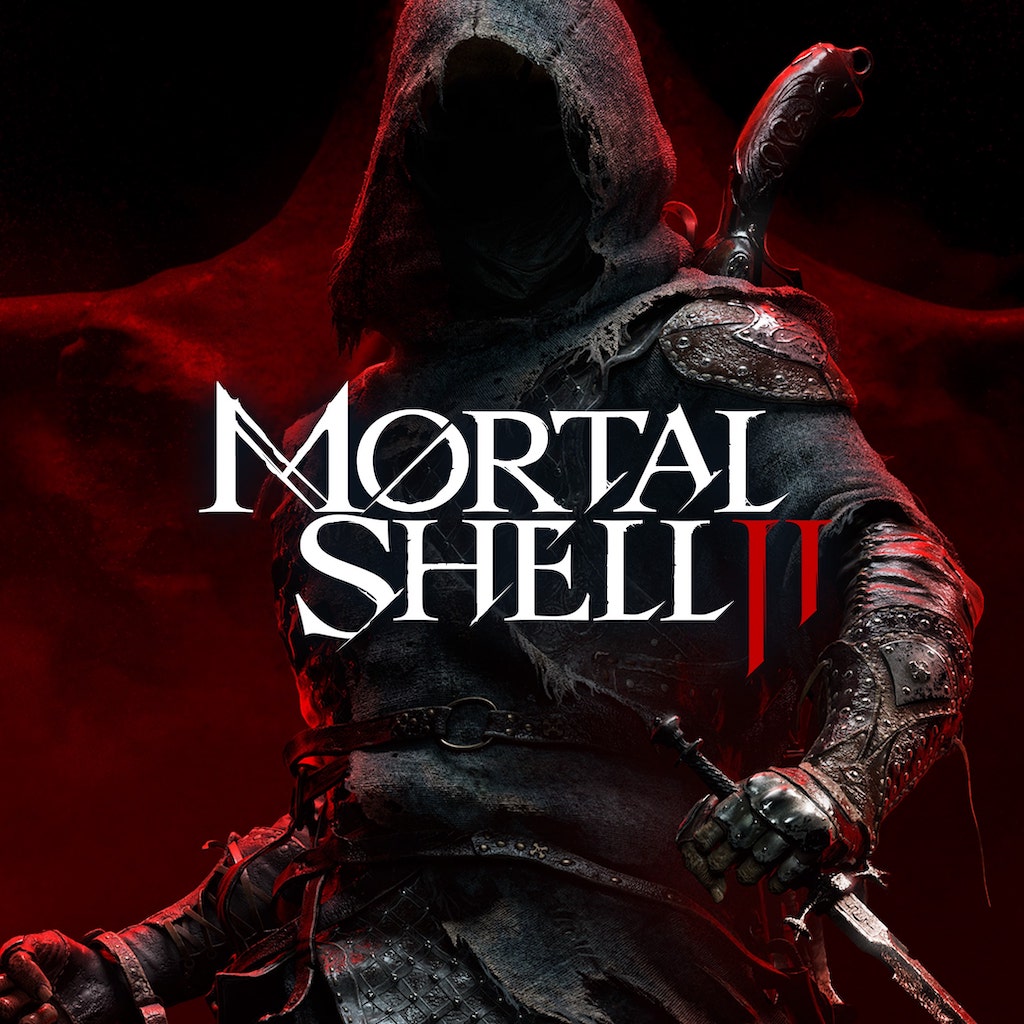
When Mortal Shell arrived in 2020, it entered an incredibly competitive genre dominated by towering giants. The action RPG landscape was already filled with brutal challenges, mysterious worlds and unforgiving combat systems, yet Cold Symmetry managed to carve out a distinct identity. Rather than simply copying the formula of its inspirations, it introduced a compelling idea: warriors are not just characters, but vessels waiting to be discovered and mastered.
The original game was smaller in scope, but that worked in its favour. Its gloomy environments, oppressive atmosphere and deliberate combat created an experience that felt intimate and focused. The Shell system gave players a unique way to approach progression, allowing them to inhabit the bodies of fallen warriors and experiment with different playstyles.
With Mortal Shell II, Cold Symmetry is aiming far higher. This standalone sequel builds on the original’s foundations and expands them dramatically. The world is larger, the combat is faster and the possibilities for customisation have been pushed much further. Rather than carefully repeating what worked before, the developers appear determined to challenge their own design philosophy and create something more aggressive, more open and far more ambitious. From early hands-on impressions, Mortal Shell II feels like a sequel that understands its predecessor while refusing to be trapped by it.
A World Built for Exploration
The biggest change is immediately obvious: Mortal Shell II is moving away from the original’s compact structure and embracing a connected open world. However, this is not an attempt to create another enormous map filled with meaningless distractions. Instead, Cold Symmetry is focusing on density over size. The world is designed around exploration, with winding paths, hidden areas and dangerous locations that reward curious players.
The Harbinger’s journey unfolds across a devastated landscape of forgotten temples, frozen graveyards, forbidden forests and citadels carved from bone. Every area is designed to encourage investigation, with secret routes, powerful weapons and lost memories hidden from those willing to explore.
This approach feels like a natural evolution of the original game. Mortal Shell always excelled at creating mystery through limited information, and the sequel appears to expand that philosophy rather than abandon it.
The world also connects more than 60 dungeons, each offering unique challenges centred on the weapons, Shells and abilities players discover throughout their journey. These locations are not simply optional combat arenas. They are opportunities to test different builds, uncover forgotten stories and find new ways to approach encounters.
A compact world filled with meaningful discoveries is often more memorable than a vast, empty landscape, and Mortal Shell II seems to understand that balance.
Combat Without Restrictions
The most surprising change comes from the combat system. The original Mortal Shell was built around patience. Every attack mattered, every dodge required thought, and every mistake could be devastating. The sequel keeps that difficulty but changes the rhythm entirely by removing stamina restrictions on offensive attacks.
Players can now unleash weapon combos without worrying about exhausting themselves mid-assault. Instead, the challenge comes from managing abilities, reading enemy behaviour, and choosing the right moment to commit.
This creates a much more aggressive experience. Rather than waiting cautiously for a single opening, players are encouraged to take control of battles and maintain pressure. The focus shifts from conserving energy to mastering timing and understanding enemy patterns.
Defensive actions still require careful management. Dodges, dashes, and defensive abilities remain tied to stamina, meaning players cannot simply avoid danger forever. The result is an interesting balance between aggression and vulnerability.
You are powerful, but you are never safe. This philosophy also changes the iconic Hardening mechanic. In the original game, turning into stone provided a unique defensive option that could completely change the flow of battle. In the sequel, it appears to function more like a high-risk counter tool. Timing a Hardening ability perfectly allows players to absorb devastating attacks and punish enemies with powerful follow-up strikes. It transforms the mechanic from a safety net into a skill test.
Becoming the Ultimate Harbinger
The Shell system remains the heart of the experience, but it has expanded considerably. Across the world, players discover the remains of exceptional warriors. By possessing these fallen heroes, the Harbinger gains access to their abilities, strengths and unique combat styles. Each warrior offers a distinct approach to playing the game.
This creates enormous potential for experimentation. A faster Shell may focus on mobility and precision, allowing players to dance around enemies and strike quickly. A heavier warrior might favour powerful attacks and resilience, turning battles into brutal tests of strength. The ability to swap between approaches encourages players to adapt rather than rely on a single build.
Each Shell also contains hidden memories that reveal more about its history. This gives progression a stronger narrative purpose, ensuring that discovering a new warrior feels like uncovering a piece of the world rather than simply unlocking another upgrade.
The preview build showcased several Shells, each with its own personality and combat identity. The variety suggests Cold Symmetry is aiming to create genuinely different playstyles rather than simple variations of the same character. Combined with weapon upgrades, skill trees and unique equipment options, Mortal Shell II appears to offer a much deeper level of customisation than its predecessor.
Weapons With Personality
Another area where the sequel expands significantly is weapon design. Rather than simply collecting stronger equipment, players will discover strange and powerful weapons, each with its own characteristics and upgrade paths. Each weapon is designed to complement different combat approaches, allowing players to create combinations that feel personal.
This ties directly into the game’s broader philosophy of experimentation. A player might build around a fast-attacking Shell with a mobility-focused weapon, while another may create a slower but devastating setup centred on overwhelming damage. The freedom to combine abilities, Shells and weapons should give the game strong replay value. The original Mortal Shell was already enjoyable for its flexibility, but the sequel appears ready to take that idea much further.
A Brutal World Brought to Life
Visually, Mortal Shell II marks a major leap forward. Cold Symmetry has doubled down on the elements that made the original memorable: decay, mystery and unsettling beauty. The world is filled with ancient ruins, corrupted landscapes and environments that feel abandoned for centuries.
The atmosphere remains one of the game’s greatest strengths. Fog rolls through forgotten locations, broken architecture hints at lost civilisations, and every area carries a sense of history. The sequel appears to understand that dark fantasy works best when the environment itself tells a story.
Boss encounters, particularly the mysterious False Gods, look set to deliver some of the game’s biggest visual moments. These battles appear designed not only as mechanical challenges but as spectacular confrontations against truly terrifying beings.
The heavy soundtrack also enhances the experience, reinforcing the feeling that every battle is a desperate struggle against overwhelming forces.
On current-generation hardware, the game appears to run smoothly, with responsive combat and fast transitions helping maintain immersion throughout the journey.
Reasons to Be Excited
There are still questions to be answered before release. Expanding from a focused adventure into a connected open world is always a risky move. The original game succeeded in part because of its tight structure, and the sequel will need to ensure its larger scale does not dilute the atmosphere that made the series special.
The removal of stamina will also divide some players. Traditional soulslike fans may miss the original’s slower, more methodical combat. However, the new system appears thoughtfully designed rather than simply easier, shifting the challenge from resource management to execution and timing. If Cold Symmetry can maintain the same level of quality throughout the larger adventure, these changes could prove to be exactly what the series needed.
Final Preview Verdict
Mortal Shell II is shaping up to be a bold evolution rather than a simple continuation. It takes the original’s unique ideas and expands them with a larger world, deeper customisation and a combat system built around speed, aggression and mastery.
Removing attack stamina is a surprising choice, but early impressions suggest it creates a more dynamic and expressive experience. Combined with the expanded Shell system, handcrafted weapons and dense exploration, the sequel has the potential to become one of the most distinctive action RPGs on the horizon.
Cold Symmetry is not trying to recreate the past. It is building on it. If the final release delivers on the promise shown so far, Mortal Shell II could be the moment this series steps out of the shadow of its inspirations and establishes itself as a true heavyweight in the genre.