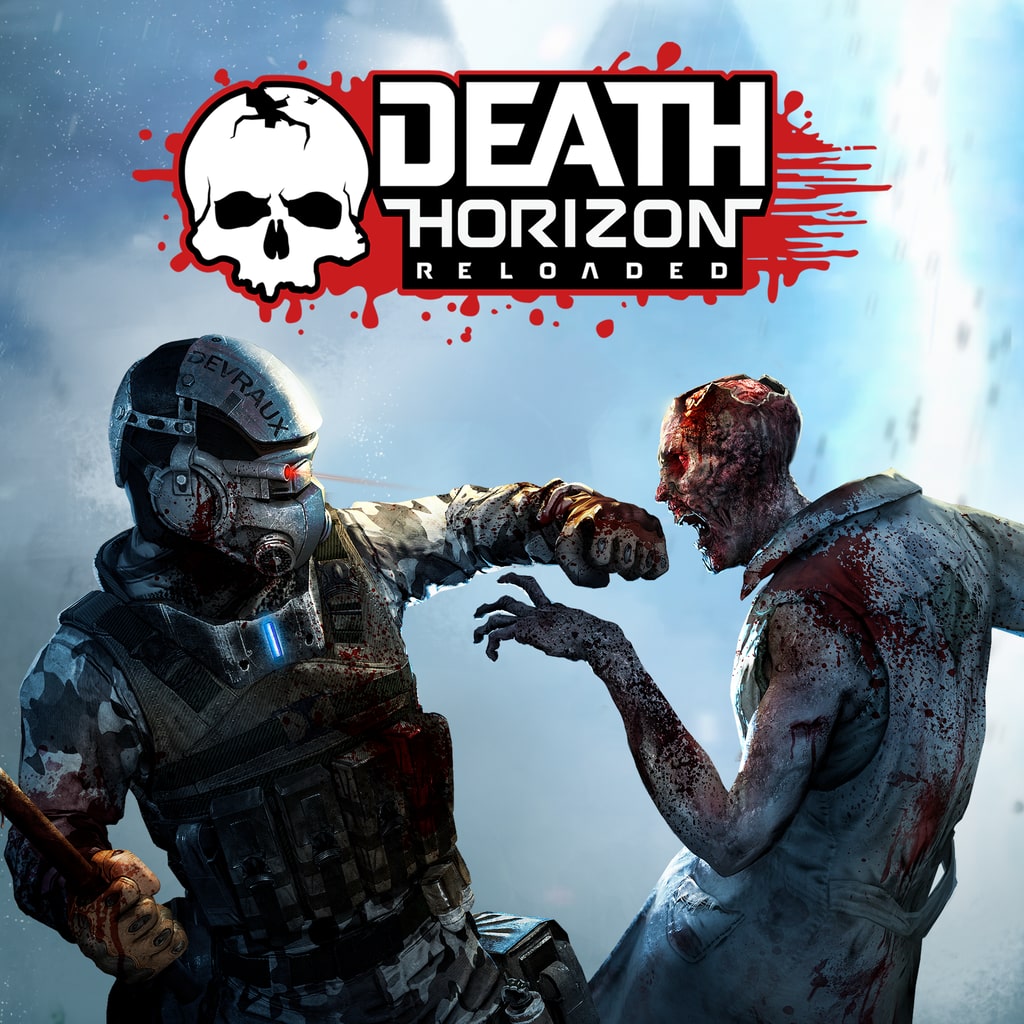
Death Horizon: Reloaded occupies an uneasy but compelling space within the VR shooter landscape. Developed by Dream Dev Studio and rebuilt specifically for standalone VR, this reloaded edition aims to merge classic survival horror principles with modern, tactile VR mechanics. It doesn’t chase spectacle or reinvention. Instead, it commits to atmosphere, vulnerability, and physical presence — and that commitment defines the experience.
Rather than empowering the player outright, Death Horizon: Reloaded makes survival feel earned. Every encounter carries weight, every mistake feels costly, and every step forward is tinged with dread. It’s a game that understands VR’s greatest strength is not visual fidelity alone, but the psychological tension that comes from embodiment.
Isolation Beneath the Ice
Narratively, Death Horizon: Reloaded follows a familiar but effective framework. You awaken within a secret research facility buried beneath a frozen wasteland, slowly uncovering the aftermath of a disastrous experiment. The story is sparse, intentionally so, relying on environmental storytelling, audio logs, and brief narrative beats to contextualize your descent into chaos.
This restraint works in the game’s favor. Rather than halting momentum with exposition-heavy cutscenes, the narrative functions as an undercurrent — a reason to keep moving forward even when fear urges retreat. The plot may not surprise seasoned horror fans, but it provides sufficient motivation and tone without overstaying its welcome.
The Weight of Every Bullet
Gunplay is the foundation upon which Death Horizon: Reloaded stands strongest. Weapons feel grounded and deliberate, with manual reloading that demands attention under pressure. Magazines must be physically inserted, slides racked, and aim steadied — all while enemies close in. These mechanics slow the pace in a way that reinforces survival horror rather than frustrating it.
Ammunition scarcity ensures that panic is not simulated, but genuine. Fumbling a reload while a zombie lurches toward you creates a uniquely VR-specific tension that flat-screen shooters cannot replicate. Each firearm serves a clear purpose, and while the arsenal isn’t expansive, mastery feels earned rather than assumed.
Zombies in Close Quarters
Enemy design remains largely traditional, leaning into familiar zombie archetypes. Shamblers dominate encounters, with occasional tougher or faster variants introduced to disrupt comfort. What elevates these encounters is not enemy variety, but environmental context.
Narrow corridors, collapsed stairwells, and confined rooms turn even a single enemy into a threat. The game frequently forces confrontation in tight spaces, where retreat is limited and precision matters. This design philosophy ensures encounters remain tense without relying on overwhelming numbers.
Vertical Vulnerability
One of the game’s most effective — and underutilized — mechanics is climbing. Vertical traversal introduces moments of rare vulnerability, forcing players to rely on physical movement rather than weapons alone. Hanging from ledges while enemies grasp below is genuinely unsettling, amplified by the physical effort required to pull yourself to safety.
These moments highlight the developers’ understanding of VR embodiment. You aren’t simply watching danger unfold — you are physically involved in escaping it, and that involvement heightens every second of tension.
Atmosphere Over Fidelity
Visually, Death Horizon: Reloaded makes smart compromises. While character models and textures won’t rival high-end PC VR titles, the game compensates through strong art direction and lighting. Flickering bulbs, icy breath, and decaying industrial spaces create a consistent visual language rooted in isolation and decay.
Performance stability is prioritized, and rightly so. Smooth framerates and reliable tracking are essential for maintaining immersion in a horror-driven VR experience. The result is a world that may not overwhelm with detail, but never undermines presence.
Listening for Death
Sound design plays a crucial role in sustaining tension. Distant groans echo through metal corridors, sudden crashes jolt your focus, and long stretches of silence become oppressive in their own right. Audio cues frequently signal danger before it’s visible, forcing players to rely on instinct rather than sight alone.
Music is used sparingly, often fading into the background to allow environmental sounds to dominate. When it does rise, it typically signals imminent danger — and the effect on player nerves is immediate and effective.
Rough Edges and Restraint
Despite its strengths, Death Horizon: Reloaded isn’t without flaws. Some interactions lack polish, with occasional imprecise object handling or awkward physics disrupting immersion. Locomotion options, while customizable, may feel restrictive for players accustomed to faster-paced VR shooters.
The campaign length is respectable but finite, and replayability is modest. Difficulty modes and challenge elements encourage return visits, but the game is primarily designed as a curated, narrative-driven experience rather than an endlessly repeatable one.
Fear as Design Philosophy
What ultimately distinguishes Death Horizon: Reloaded is its understanding of fear as a design tool rather than a byproduct. The game prioritizes vulnerability over empowerment, tension over spectacle, and presence over novelty. Every ladder climbed, every door opened, and every desperate reload reinforces the feeling of being alone in a hostile space.
In a VR market saturated with wave shooters and arcade sensibilities, Death Horizon: Reloaded feels refreshingly deliberate. It may stumble occasionally, but when its systems align, the experience is gripping in a way few VR horror titles manage.
For players seeking a methodical, immersive survival horror experience that respects VR’s unique strengths, Death Horizon: Reloaded is a descent well worth taking. It doesn’t just ask you to survive — it makes you feel the cost of doing so.