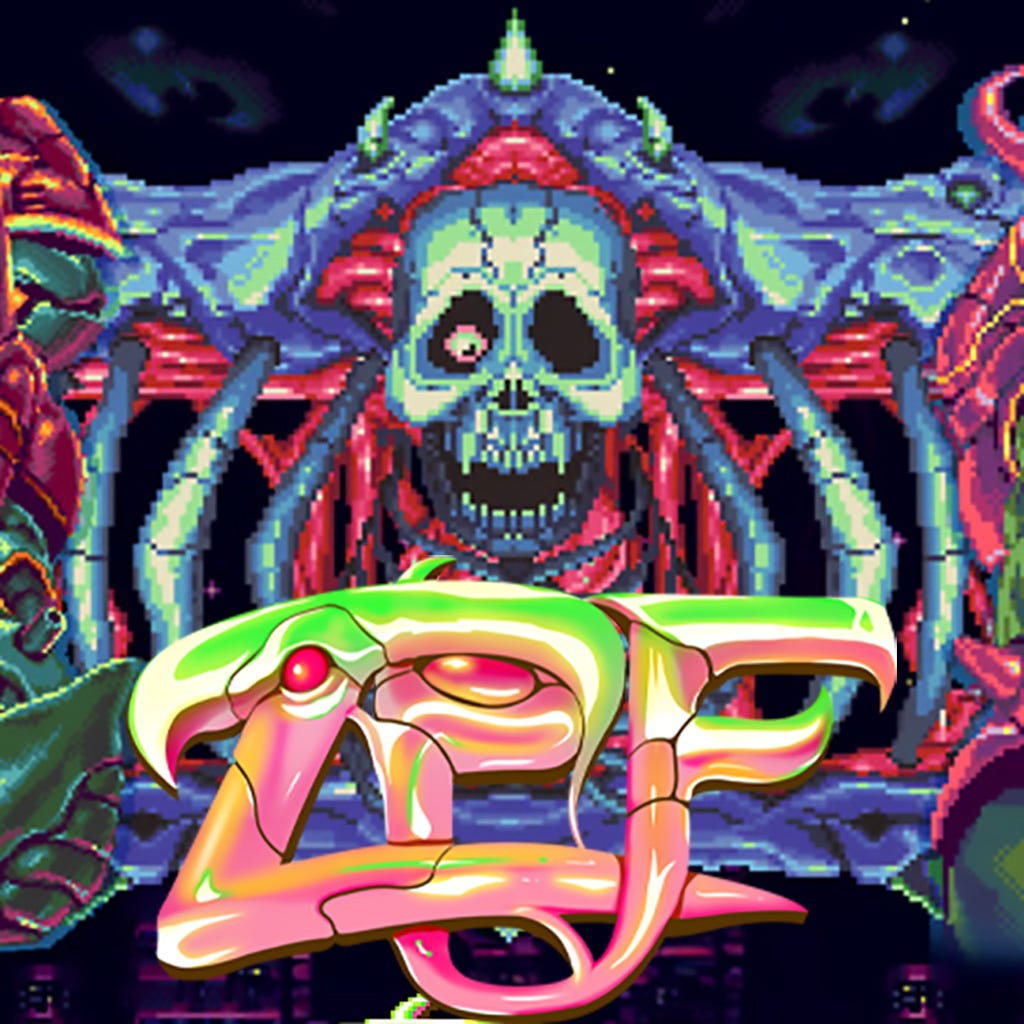
There is a difference between nostalgia and reverence. Nostalgia looks back fondly. Reverence rebuilds, studies, and pushes the past further than it ever went before. ZPF, developed by the ZPF Team and published by Mega Cat Studios, is firmly rooted in the latter.
Originally released in 2025 as a homebrew title for the Sega Mega Drive, ZPF now arrives on modern platforms with enhancements that preserve its original intent while making it more accessible. It is not simply a retro-inspired shooter. It is a game built as if the 16-bit era never ended, then polished just enough for contemporary audiences.
The result is a horizontal shooter that feels both authentic and quietly ambitious.
“ZPF does not imitate the past. It extends it.”
A Shooter Built on Precision
At its core, ZPF is a side-scrolling shoot ’em up in the tradition of arcade classics. You navigate dense waves of enemies, dodge intricate bullet patterns, and dismantle screen-filling bosses that demand both memorisation and reaction.
What immediately stands out is the game’s clarity. Enemy patterns are readable. Projectiles are distinct. Movement is responsive without feeling overly forgiving. It adheres closely to the design philosophy that defined the genre at its peak.
There is no unnecessary complication. Everything is built around the relationship between player movement and incoming threats.
This purity is one of its greatest strengths.
Three Pilots, Three Playstyles
Rather than relying on a single ship with upgrade paths, ZPF offers three distinct playable characters: Knight, Gladius, and Gold. Each has its own shot patterns, attack styles, and subtle mechanical differences.
Knight leans towards balanced play, offering a reliable spread of fire that suits players new to the game. Gladius adopts a more aggressive approach, encouraging closer engagement with enemies through melee attacks. Gold, by contrast, favours precision and positioning, rewarding players who can maintain control under pressure.
These differences are not superficial. They significantly alter how stages are approached. Enemy formations that feel manageable with one character may become far more challenging with another.
This creates replay value without artificial modifiers. The game remains the same, but your relationship to it changes.
Level Design That Demands Attention
Each stage in ZPF is tightly constructed, blending sci-fi and fantasy elements into a cohesive visual identity. One moment you are weaving through alien landscapes, the next you are navigating mechanical fortresses or surreal cosmic environments.
Pacing defines these stages. The game alternates between bursts of intensity and brief moments of relative calm, giving players time to reset before the next wave arrives.
Enemy placement feels deliberate. Patterns are introduced, expanded upon, and then combined in ways that test your understanding. This design approach is rooted in repetition and mastery.
Boss encounters serve as the culmination of each stage’s ideas. They are large, visually striking, and mechanically layered. Learning their patterns is essential, but so is adapting when they shift.
Victory feels earned rather than granted.
A Technical Showcase in Spirit
Even in its modern form, ZPF retains the DNA of its original hardware. The game was designed to push the limits of the Mega Drive, and that ambition remains evident.
Sprite work is detailed without being cluttered. Animations are fluid, and effects are used sparingly yet effectively. There is a discipline to the presentation that reflects its origins.
On modern platforms, enhancements such as HD scaling and display options improve clarity without compromising authenticity. The image remains sharp, the colours vibrant, and the action easy to follow.
This balance between preservation and enhancement is handled with care. It never feels like the game is being modernised at the expense of its identity.
Sound and Rhythm
Audio design plays a crucial role in reinforcing the arcade feel. The soundtrack leans heavily on energetic, synthesiser-driven compositions that match the pace of gameplay.
Each track complements its stage, building tension during intense sequences and easing during quieter moments. Sound effects are punchy and immediate, providing clear feedback for actions and impacts.
There is a rhythmic quality to the experience. Movement, shooting, and dodging all fall into a pattern that feels almost musical when executed well.
The Pursuit of Score
Like many shooters of its kind, ZPF places strong emphasis on scoring. Efficiently destroying enemies, maintaining chains, and uncovering hidden opportunities all contribute to higher scores.
This system encourages players to move beyond simple survival. It is not enough to reach the end of a stage. The challenge is to do so optimally.
For some, this will be the main draw. For others, it may feel secondary. The game accommodates both approaches, but its depth becomes most apparent when chasing higher scores.
Where It Holds Back
Despite its strengths, ZPF is not without limitations.
Its adherence to classic design can feel restrictive. There is little modern experimentation or genre-blending. Players expecting innovation may find the experience familiar to a fault.
Difficulty is another factor. While not excessively punishing, the game demands attention and practice. There is a learning curve that may discourage more casual players, especially those unfamiliar with the genre.
Additionally, while the three-character system adds variety, progression beyond mastering their differences is limited. There are no extensive upgrade trees or evolving systems to sustain long-term engagement.
This is a game built around repetition and refinement rather than expansion.
A Focused Arcade Experience
What ZPF ultimately offers is a focused, disciplined take on the horizontal shooter. It does not attempt to redefine the genre. Instead, it refines its core elements to a high degree.
It respects the player’s time by delivering consistent, legible challenges. It respects its origins by maintaining a clear visual and mechanical identity. And it respects the genre by understanding what makes it compelling.
There is confidence in that restraint.
Final Verdict
ZPF is a meticulously crafted shooter that captures the spirit of classic arcade design while benefiting from modern presentation. Its tight mechanics, distinct character playstyles, and well-structured stages make it a rewarding experience for players willing to engage with its systems.
It may not push the genre forward, but it executes its vision with clarity and precision.