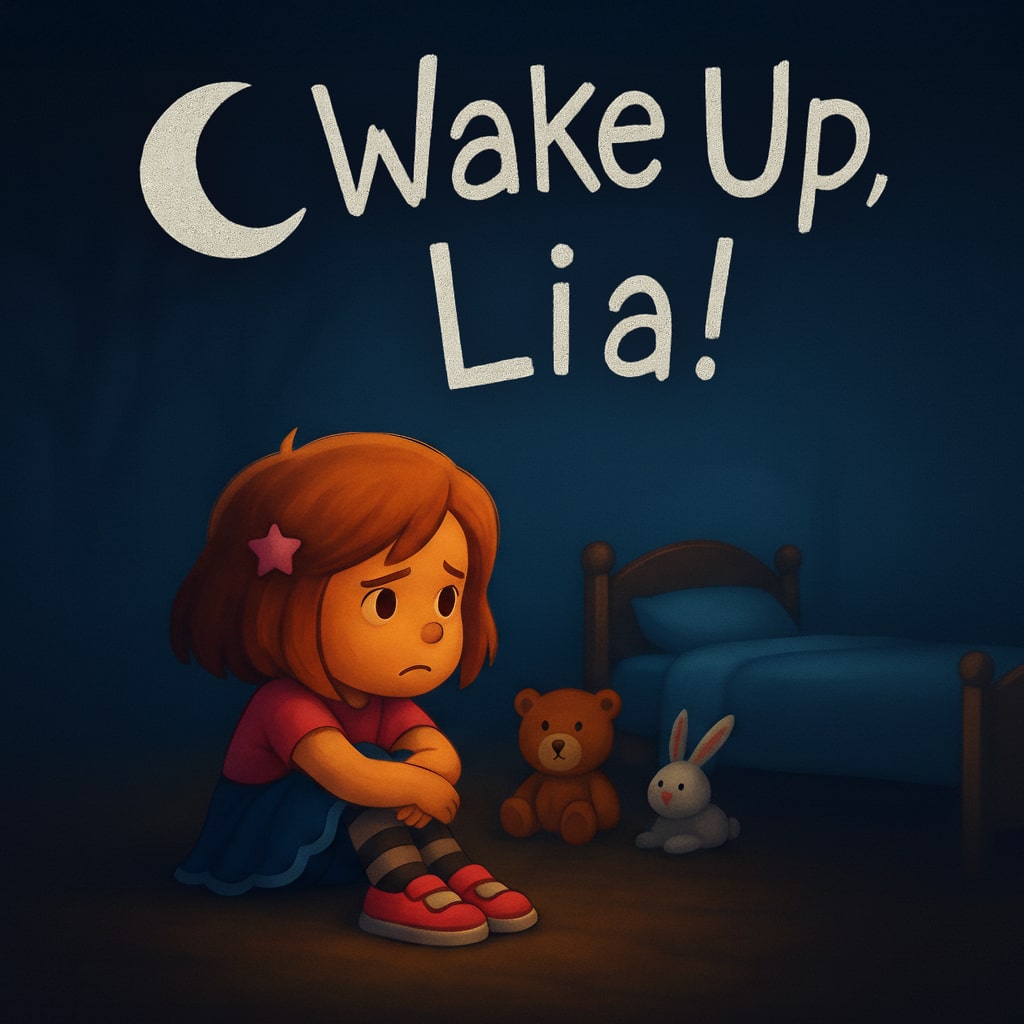
Platformers have always been about overcoming obstacles. Whether climbing impossible mountains, escaping dangerous ruins or navigating alien worlds, the genre has often used physical challenges as metaphors for something deeper. Wake Up, Lia! embraces that tradition wholeheartedly, using demanding precision platforming to tell a story about trauma, bullying and the slow process of healing from emotional wounds.
Developed by SMV Games and published by eastasiasoft, Wake Up, Lia! is not simply another difficult platformer designed to test reflexes. Beneath its sharp spikes, collapsing platforms and punishing hazards lies a heartfelt narrative about reclaiming lost memories and rebuilding a fractured sense of self. It is an adventure that asks players to persevere not only to reach the next checkpoint, but because they genuinely want to see Lia find peace.
That emotional foundation elevates the experience beyond its modest scope. While it borrows familiar ideas from some of the genre’s most celebrated titles, it delivers them with sincerity and compassion rather than imitation.
Gameplay
Wake Up, Lia! builds its gameplay around tight, responsive controls and carefully constructed obstacle courses that demand precision. Every jump, dash and landing feels deliberate, creating a satisfying sense of control that is essential in a game where even the smallest mistake can send Lia back to the latest checkpoint.
Across twenty handcrafted stages, players navigate increasingly dangerous nightmare environments packed with spikes, moving hazards, collapsing platforms and cleverly designed timing challenges. The game introduces new ideas at a steady pace, allowing players to master one mechanic before layering on additional complexity.
The level design deserves considerable praise for avoiding unnecessary gimmicks. Instead of constantly reinventing the controls, the game focuses on extracting fresh challenges from its existing movement system. This results in stages that remain engaging without ever feeling overly complicated.
Deaths are frequent, particularly in later levels, but they rarely feel unfair. Quick restarts encourage experimentation, allowing players to maintain momentum rather than becoming frustrated by lengthy loading screens or excessive punishment.
Difficulty That Welcomes Rather Than Excludes
One of Wake Up, Lia!’s smartest decisions is its approach to accessibility. Precision platformers often develop a reputation for intimidating difficulty, discouraging players who might otherwise appreciate their stories. Here, multiple difficulty options let players tailor the experience to their comfort level.
This flexibility means newcomers can focus on the narrative without becoming overwhelmed, while experienced platforming veterans still have opportunities to push their skills to the limit. It is a thoughtful inclusion that broadens the game’s appeal without compromising its identity.
Importantly, even the more forgiving settings never diminish the satisfaction of success. Every completed sequence still feels earned because the controls remain grounded in precision and timing rather than automation.
That balance keeps the emotional journey front and centre. Players are challenged, but never punished for simply wanting to experience Lia’s story.
Story
Wake Up, Lia! explores themes that many games struggle to approach sensitively. Bullying, emotional trauma and fractured memories form the foundation of Lia’s nightmare, with each recovered memory gradually revealing the events that shaped her current state.
Rather than relying on lengthy dialogue or dramatic exposition, much of the storytelling unfolds through environmental symbolism and collectable memory fragments scattered throughout the levels. This encourages players to actively piece together Lia’s past rather than simply watching events unfold.
The nightmares themselves become extensions of her emotional struggles. Twisted environments, dangerous obstacles and distorted landscapes reflect the confusion, fear and isolation that accompany trauma, giving every stage a purpose beyond merely testing platforming skills.
Thankfully, the narrative avoids becoming overly sentimental. It acknowledges painful experiences without allowing them to define its protagonist. At its heart, Wake Up, Lia! is a story of resilience, hope and the possibility of moving forward after hardship. That optimistic message lingers long after the credits roll.
Visual Presentation
The visual style strikes an effective balance between beauty and unease. Dark environments, surreal dreamscapes and haunting imagery create an atmosphere that constantly reminds players they are exploring Lia’s subconscious rather than the real world.
Despite the heavier themes, the artwork retains an elegance that prevents the experience from becoming oppressive. Soft lighting, expressive backgrounds and carefully chosen colour palettes allow moments of quiet reflection to coexist with the more dangerous platforming sequences.
Each nightmare has its own identity while maintaining a cohesive artistic direction throughout the adventure. Environmental storytelling plays a significant role, rewarding observant players with subtle visual details that enrich the narrative without explicit explanation.
Character animation is equally impressive. Lia’s movement feels fluid and responsive, reinforcing the precision required in more demanding sections while giving her enough personality to remain emotionally engaging despite relatively limited dialogue.
Sound Design
The soundtrack quietly supports every aspect of the experience. Atmospheric piano melodies, subtle ambient pieces and emotionally charged compositions blend naturally with the story’s shifting tone.
During intense platforming sections, the music builds tension without overwhelming the player’s concentration. In quieter moments, softer arrangements allow the narrative’s emotional weight to settle naturally.
Sound effects are equally effective. Every successful jump, dash and landing feels satisfying, while environmental hazards provide clear audio cues that help players anticipate danger without relying solely on visual information.
The restraint shown throughout the sound design deserves recognition. Rather than constantly demanding attention, the audio works in harmony with the gameplay and story, strengthening both without overshadowing either.
Local Co-op
An unexpected but welcome addition is the inclusion of local co-op play. Precision platformers are often solitary experiences, so the chance to tackle Lia’s nightmares alongside a friend feels refreshingly different.
Co-op changes the tone of the adventure without undermining its emotional themes. Difficult platforming sequences become collaborative problem-solving exercises, encouraging communication and shared perseverance.
While the story naturally carries greater emotional impact during solo play, co-op mode offers an enjoyable alternative that families, siblings and friends can appreciate together. It is not merely an optional extra but a genuinely worthwhile way to experience the campaign from a different perspective.
Final Verdict
Wake Up, Lia! succeeds because it understands that meaningful storytelling and satisfying gameplay need not be separate. Every precise jump, every avoided hazard and every recovered memory reinforces the emotional journey at the heart of the experience.
Its responsive controls, intelligent level design and thoughtful accessibility options create a platformer that welcomes players of varying skill levels without sacrificing challenge. More importantly, its compassionate approach to themes of bullying and emotional recovery gives the adventure genuine heart, ensuring the story remains as memorable as the gameplay itself.
The relatively concise campaign may leave experienced players wanting more, and some may wish the narrative explored its supporting characters in greater depth. Even so, the focused structure prevents the experience from overstaying its welcome, allowing each chapter of Lia’s journey to maintain its emotional impact.
Wake Up, Lia! is proof that smaller games can leave lasting impressions. It blends demanding platforming with heartfelt storytelling in a way that feels honest, respectful and ultimately hopeful. By the time Lia begins reclaiming both her memories and her confidence, it is difficult not to feel as though you have shared every step of that journey alongside her.