Modern fantasy RPGs often feel locked in an endless arms race. Bigger worlds, larger maps, longer quest logs, and increasingly complex systems have become the norm. Somewhere along the way, many games forgot that players sometimes simply want a good adventure. They want a world worth exploring, a hero worth investing in, and a story that respects their time. Tale of Dark Lands understands this better than most.
Developed by Satur Entertainment and now available on consoles through Sometimes You, this charming action RPG embraces a more traditional approach to fantasy storytelling. It does not attempt to reinvent the genre or overwhelm players with endless mechanics. Instead, it focuses on delivering a concise adventure filled with memorable locations, satisfying progression, and enough mystery to keep you pushing forward.
What begins as a simple mercenary contract quickly evolves into something much larger, creating a journey that feels comfortably familiar while still offering enough surprises to remain engaging throughout. The result is a fantasy adventure that feels refreshingly sincere in an era when many games seem determined to be everything at once.
A Hero’s Journey
The story begins with a straightforward premise. You are a travelling mercenary hired by a small village to deal with increasingly dangerous goblin attacks. It is the sort of setup fantasy fans have seen countless times, but Tale of Dark Lands uses that familiarity to its advantage.
The opening hours establish a cosy atmosphere that makes the village feel worth protecting. The residents are welcoming, the surrounding countryside is peaceful, and the threats initially seem manageable. That sense of security gradually unravels as darker secrets emerge from ancient ruins hidden beneath the region.
Before long, your simple contract becomes entangled with an ancient evil threatening the entire realm. While the narrative never ventures into particularly groundbreaking territory, it succeeds because of its pacing. New revelations arrive at a steady pace, keeping the story moving without overstaying its welcome. Most importantly, the adventure maintains a genuine sense of purpose. There is always another mystery to uncover, another threat to confront, and another reason to continue exploring.
A Beautifully Crafted World
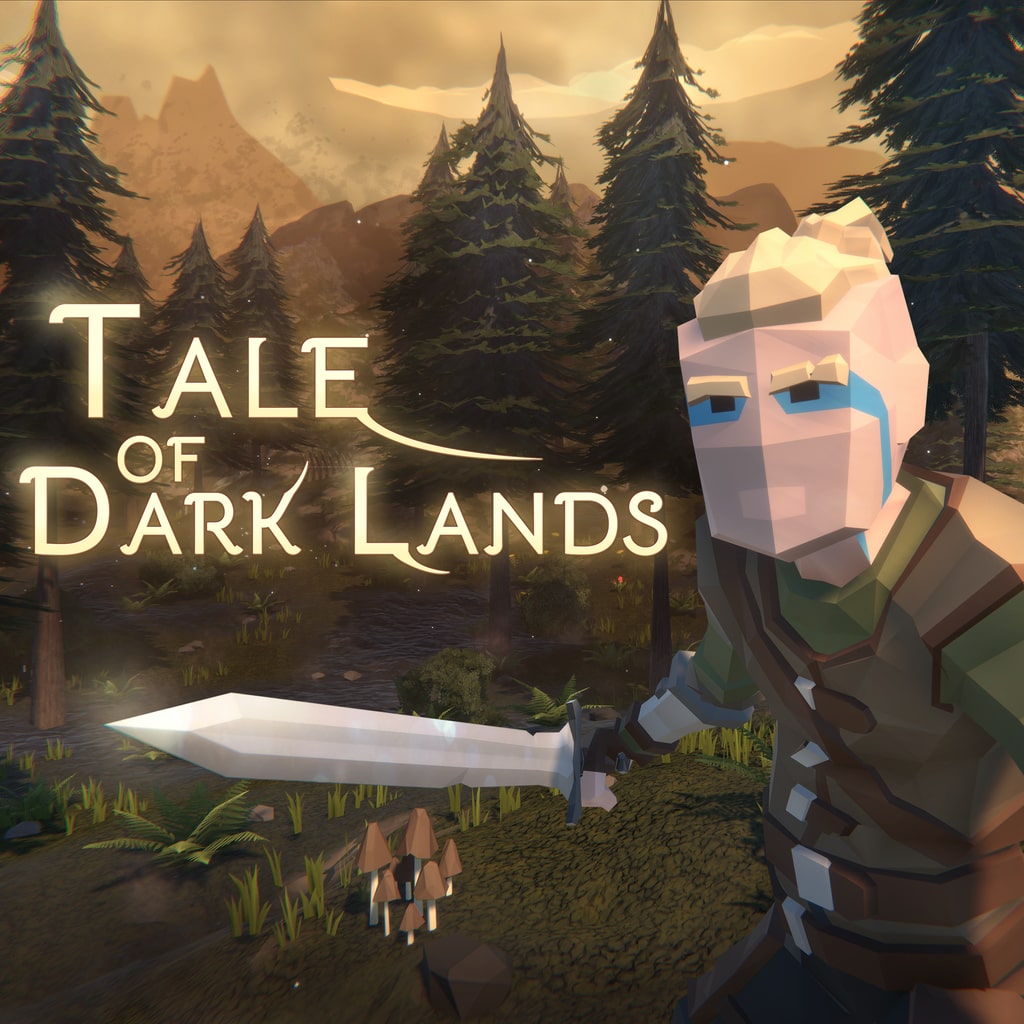
One of the game’s strongest assets is its visual presentation. The low-poly art style immediately stands out, not for technical impressiveness but for its thoughtful execution. Satur Entertainment has created a world that feels like a living storybook. Rolling hills, ancient ruins, dense forests, and cosy villages all possess a warmth that perfectly complements the game’s fairytale atmosphere.
There is something undeniably charming about the way the world is presented. The clean geometry and vibrant colour palette create environments that are easy to read while remaining visually rich. Rather than chasing realism, the game embraces stylisation, and it benefits greatly from that decision.
The soundtrack enhances this atmosphere even further. Gentle orchestral melodies accompany exploration, creating a sense of wonder that recalls classic fantasy adventures. The music never dominates the experience, but it constantly reinforces the feeling that you are embarking on a timeless quest. Together, the visuals and audio create an inviting world that is difficult not to become invested in.
Progression That Feels Rewarding
While the presentation draws players in, the progression systems are the real reason to stay. Character development follows a refreshingly flexible structure. Experience points allow your hero to grow stronger, but new abilities are acquired from a dedicated skill trader rather than an automatic levelling tree. This simple adjustment gives players far more control over how their character evolves. Whether you prefer melee combat, ranged attacks, or magical abilities, the game lets you shape your build accordingly. The freedom is not limitless, but it offers enough variety to encourage experimentation throughout the adventure.
Equipment progression is equally satisfying. New weapons, armour pieces, helmets, and accessories appear regularly enough to create a steady sense of advancement. Every new item feels meaningful because upgrades are earned through exploration, combat, and careful resource management.
The crafting systems add another layer of engagement. Materials gathered during your travels can be taken back to the village blacksmith to forge stronger equipment. Meanwhile, the Runic Forge allows players to further enhance gear by socketing powerful runes that provide useful bonuses and elemental effects. These interconnected systems create a rewarding gameplay loop that feeds into itself.
The Joy of Inventory Management
One feature that deserves special recognition is the inventory system. Many modern RPGs let players carry absurd quantities of equipment with little thought or consequence. Tale of Dark Lands draws on classic inventory systems, requiring careful management of limited grid space.
Weapons, armour, crafting materials, runes, and trade goods all occupy physical slots in your inventory. Every item placement matters, turning inventory management into a surprisingly engaging puzzle.
There is genuine satisfaction in reorganising your belongings after a successful dungeon run. Deciding what to keep, what to sell, and what to leave behind adds a layer of strategy that makes loot feel more valuable. It is a small feature, but one that contributes significantly to the game’s old-school charm.
Adventure First, Bloat Last
Perhaps the most refreshing aspect of Tale of Dark Lands is its respect for the player’s time. The fantasy genre has become increasingly fixated on enormous worlds filled with repetitive activities. Tale of Dark Lands takes a different path. Rather than burying players under hundreds of side objectives, it focuses on delivering a tightly paced adventure.
The campaign consistently introduces new locations, enemies, upgrades, and story developments without growing repetitive. Every area feels purposeful, and very little content exists merely to inflate playtime. That sense of momentum keeps the experience engaging from beginning to end. The game always feels like it is moving forward rather than stalling for time. For players exhausted by bloated open-world design, this focused approach is a welcome change of pace.
A Few Shadows in the Darkness
As enjoyable as Tale of Dark Lands is, it is not without shortcomings. The most noticeable issue is its combat system. While progression mechanics provide variety through skills, equipment, and runes, the core action remains fairly straightforward. Most encounters revolve around familiar hit-and-move tactics, particularly in longer dungeon sequences.
Combat never becomes bad, but it occasionally lacks the depth needed to sustain excitement during extended play sessions. Players hoping for intricate combo systems or highly technical battles may find the action somewhat simplistic. Enemy variety also takes time to develop. The early hours rely heavily on familiar fantasy foes, causing some encounters to blend together before the game gradually expands its roster. Fortunately, these issues rarely derail the overall experience. The progression systems, exploration, and world design do enough heavy lifting to keep the adventure enjoyable throughout.
Final Verdict
Tale of Dark Lands proves that a great RPG does not need an enormous budget or a hundred-hour campaign to leave an impression. It succeeds through strong fundamentals, a charming presentation, rewarding progression, and a genuine love of classic fantasy storytelling.
Its combat may occasionally show its limitations, but nearly every other aspect of the experience works beautifully. The low-poly world is a delight to explore, the crafting and inventory systems add meaningful depth, and the focused campaign delivers a satisfying adventure without unnecessary filler. Most importantly, Tale of Dark Lands captures something many larger RPGs often lose sight of: the simple joy of setting out on an adventure. For players seeking a cosy fantasy journey filled with secrets, exploration, and character growth, this is an easy recommendation.