Horror games have spent years ramping up their tricks. Bigger monsters. Louder jump scares. Faster chases. Silverpine Creek moves in the opposite direction. It strips away power, slows everything down, and poses a terrifying question: what if survival depended on staying absolutely quiet?
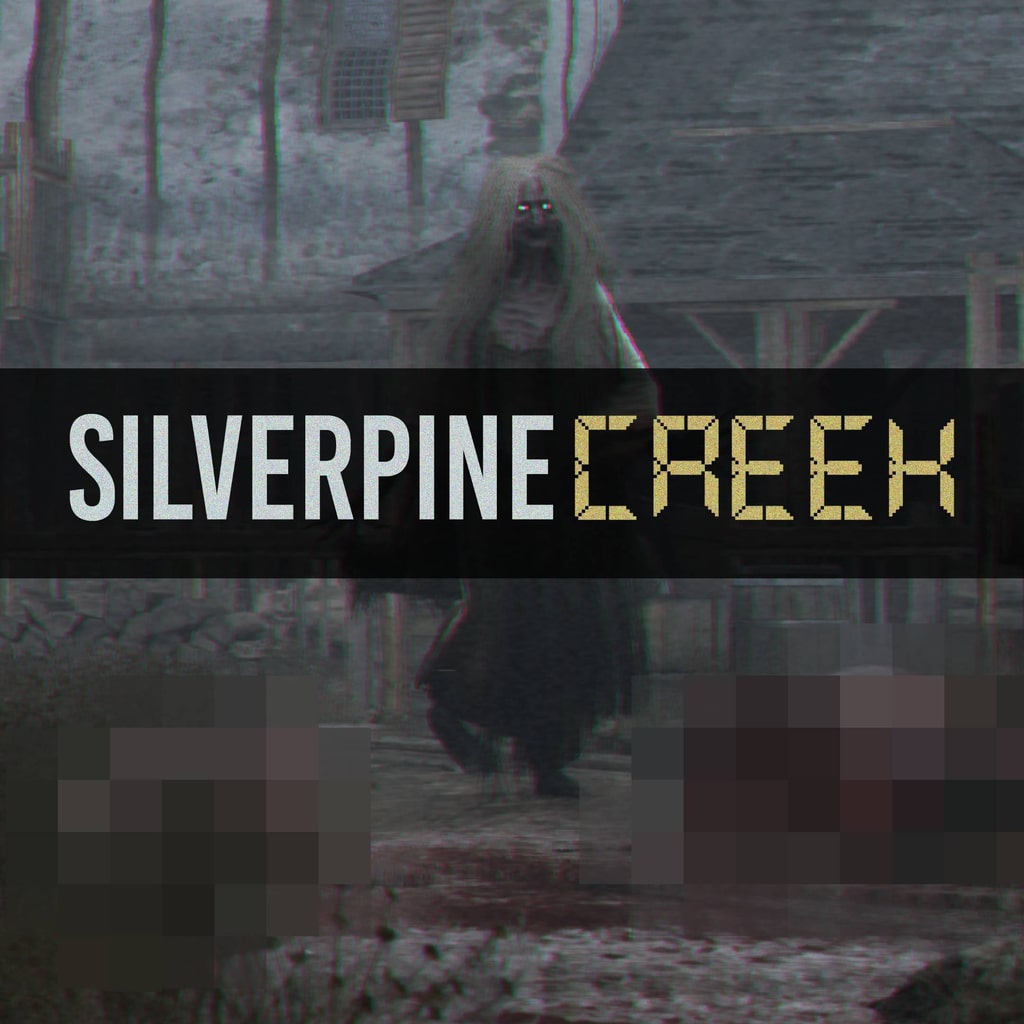
Developed by PHANTOM TOAST and adapted for consoles by Velvet Bites, Silverpine Creek drops players into an abandoned rural settlement consumed by an unnatural force. Missing tourists have vanished without explanation. A cursed history lingers beneath the fog. Somewhere in the empty village, Korana, a spirit born of injustice and rage, waits. You arrive as an investigator seeking answers. Naturally, everything goes horribly wrong.
Presented entirely through a bodycam perspective with grainy, VHS-inspired visuals, the game immediately leans into found-footage horror aesthetics. The result feels intimate and uncomfortable from the opening moments. You are not controlling an action hero. You are stumbling through someone else’s nightmare.
Silence Becomes Survival
The defining feature here is sound. Korana reacts dynamically to movement, environmental disturbances, and player behaviour. Knock over a chair and she notices. Rush through a cluttered house and she hears it. Panic and move carelessly during a chase, and you may already have signed your death warrant.
Then there is the microphone support. When enabled, Silverpine Creek listens to your real-world environment through your headset or controller microphone. Speak too loudly, cough, laugh nervously, or make noise during tense moments, and the game feeds that information directly into the AI. It sounds gimmicky on paper. In practice, it is horrifying.
I caught myself physically lowering my breathing during encounters. At one point, I instinctively covered my mouth after hearing footsteps nearby, despite sitting alone in my living room. Few horror mechanics blur the line between player and character this effectively. Even with the microphone option disabled, the sound design still carries immense weight. Every creak, broken bottle, and shifting object matters. Noise is danger.
Korana Never Feels Scripted
The Witch Korana herself is easily the game’s greatest strength. Many horror titles rely on predictable patrol patterns or heavily scripted sequences. Korana feels different. She reacts dynamically to disruption, wandering through spaces with unsettling unpredictability.
That uncertainty changes everything. You never quite know whether hiding beneath a table will save you or simply delay the inevitable. Sometimes she passes by. Other times she lingers. Occasionally she doubles back when you think the danger has passed. The result is sustained tension rather than isolated scares.
Her visual design helps enormously. Korana appears distorted and unnatural without leaning too heavily into exaggerated horror imagery. She looks like something that belongs in old folklore, dragged violently into reality. The bodycam perspective makes every encounter worse in the best possible way. When she suddenly appears at the edge of the frame, the effect is genuinely unnerving.
Flash Before Darkness
Unlike many survival horror games, Silverpine Creek gives you no weapons. Your only protection is an old camera with a flash that can temporarily disrupt Korana’s presence. This mechanic creates excellent risk management.
The flash is not a victory button. It buys time. Nothing more. Using it too early wastes resources. Waiting too long invites disaster. Every encounter becomes a small panic puzzle in which timing matters more than aggression. These moments strongly evoke Fatal Frame, though with less emphasis on combat and more on escape. The camera exists purely for survival. That vulnerability defines the experience. You are never powerful. You are simply surviving one mistake at a time.
A Village Frozen In Dread
The setting itself deserves praise because Silverpine Creek feels genuinely haunted. The abandoned village stretches along fog-covered roads, with collapsing homes, forgotten farms, and ritual sites swallowed by nature. Environmental storytelling carries much of the narrative weight. You discover traces of interrupted lives. Notes. Ruined belongings. Signs of desperation.
The VHS presentation enhances everything beautifully. Visual noise, lens distortion, and bodycam movement create constant discomfort without becoming distracting. It gives the world an unsettling authenticity, as though these events were recovered rather than created. The atmosphere never breaks. Even quiet moments carry tension because the game constantly reminds you that the environment itself is unstable.
The Ritual Of Fear
Progression centres on recovering cursed artefacts scattered throughout the village and transporting them to Witch Hill to complete a banishment ritual. This structure works well because it naturally pushes players deeper into danger.
Each recovered item heightens tension. You know the remaining objectives will only grow worse. Returning through previously explored spaces also shifts the emotional relationship with the environments. A safe house discovered earlier can suddenly become terrifying during a retreat sequence.
However, the pacing occasionally suffers during backtracking. Some sections rely heavily on repeated exploration and objective hunting. The atmosphere remains strong enough to carry these stretches, but a little more variety in late-game objectives would have helped. Still, the ritual framework gives the narrative clear momentum. You always know what you are working towards, even when everything around you feels uncertain.
Fear Beyond Jump Scares
What impressed me most was the restraint. Silverpine Creek contains frightening moments, but it rarely relies solely on jump scares. Instead, it builds pressure. You become afraid of making noise. Afraid of opening doors. Afraid of your own footsteps.
The horror comes from anticipation. There were long stretches when nothing happened, yet I remained tense throughout because the possibility of something happening never disappeared. That psychological pressure lingers. It turns ordinary actions into stressful decisions.
Final Verdict
Silverpine Creek delivers one of the more memorable survival horror experiences in recent years because it understands where fear truly lives. Not in monsters. Not in gore. In silence. The microphone integration could have been a novelty feature, yet it becomes one of the game’s defining strengths. Combined with dynamic AI, an oppressive atmosphere, and excellent environmental storytelling, it creates genuine vulnerability.
Some pacing issues arise in the exploration-heavy sections, and objective repetition occasionally slows the momentum, but the core experience remains gripping throughout. This is horror that listens. And once you realise it can hear you too, every sound suddenly matters.