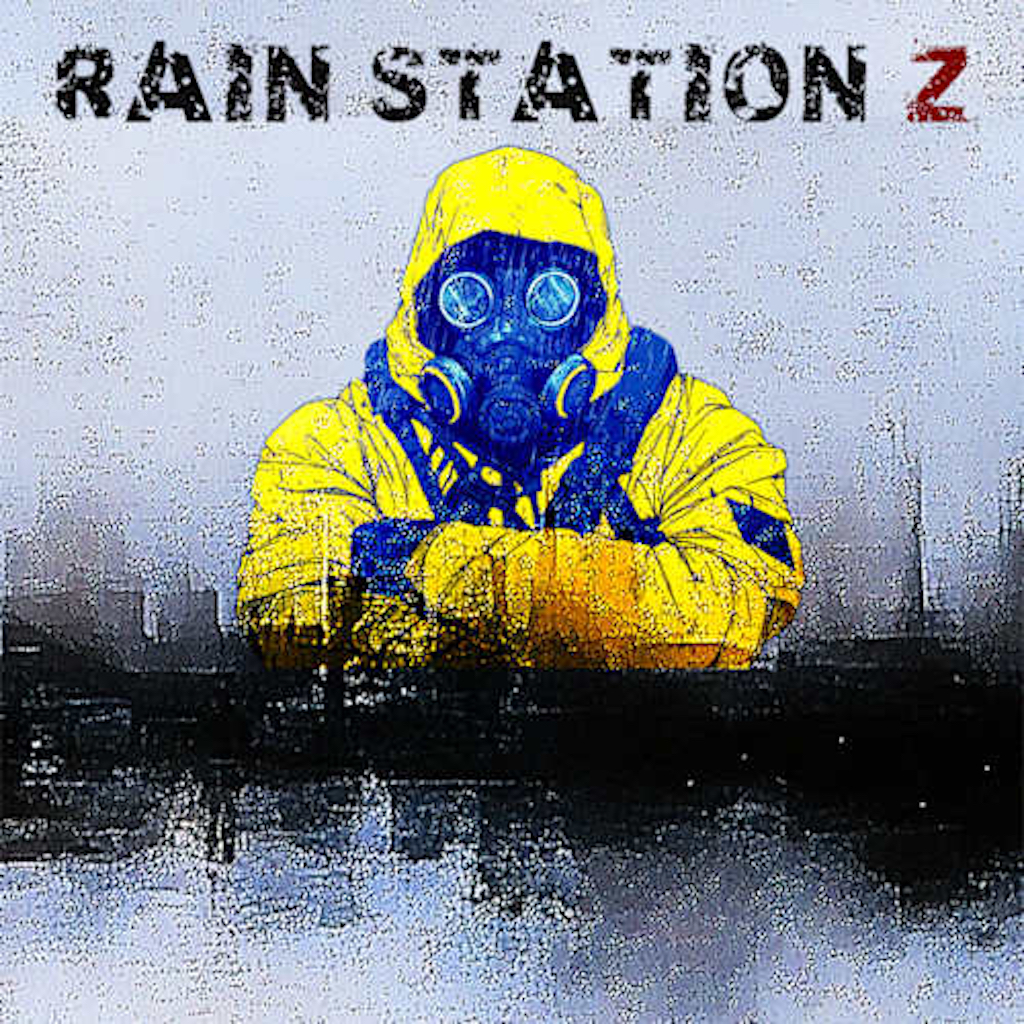
Zombie survival games have spent years trying to find new ways to make the apocalypse feel dangerous again. Rain Station Z takes a familiar formula of scavenging, exploration, and undead encounters and adds a surprisingly effective twist: the world itself is trying to kill you. The infected are only one part of the problem, because the arrival of relentless acid rain turns every journey outside into a calculated gamble. Developed and published by Wobbly Tooth, this open world survival experience focuses on simple mechanics, quick decision making, and the constant pressure of staying alive for just a little longer.
The premise is straightforward. A deadly virus has spread across the mainland, bringing hordes of undead survivors back from the grave while a toxic weather phenomenon begins poisoning the remaining population. As one of the few people still fighting to survive, your objective is not to save the world or uncover a grand conspiracy. Instead, Rain Station Z places you firmly in survival mode, where finding a bottle of water, a medical item, or a better weapon can feel like a genuine achievement. There is something appealing about that stripped back approach, as the game understands that survival stories often work best when the smallest victories matter.
Surviving the Elements
The standout feature of Rain Station Z is undoubtedly its acid rain system. Many zombie games rely almost entirely on enemy encounters to create tension, but here the environment becomes just as threatening as the undead. Stepping outside without protection slowly drains your health, forcing you to think carefully about every trip between locations. The result is a constant sense of urgency, because even an empty street can become dangerous when the skies begin to turn against you.
Finding shelter becomes an important part of exploration rather than a simple convenience. Abandoned buildings, stations, and scattered structures become safe zones where players can regroup, check their supplies, and plan their next move. Umbrellas offer some protection while travelling, but they are limited tools rather than a perfect solution, meaning players cannot simply ignore the weather mechanic. This creates a nice rhythm where exploration is broken up by moments of preparation, caution, and recovery.
The system is not the deepest survival mechanic ever created, but it gives Rain Station Z its own identity. The threat of acid rain encourages players to pay attention to their surroundings instead of blindly rushing across the map. When combined with zombie encounters, it creates situations where a simple supply run can quickly become a desperate escape.
Scavenging Through the Ruins
At its core, Rain Station Z is built around the classic survival loop of searching, collecting, and managing resources. Players explore abandoned areas looking for food, water, medicine, and weapons that will help them survive longer. The satisfaction comes from gradually improving your situation, turning a vulnerable survivor with limited supplies into someone better prepared for the dangers ahead.
The scavenging mechanics are intentionally accessible. Rather than overwhelming players with complicated crafting trees or endless management screens, the game keeps things focused on finding what you need and deciding how best to use it. This simplicity makes the experience easy to understand, especially for players who want a more casual take on the survival genre. It feels designed around short bursts of tension rather than demanding dozens of hours of commitment.
Navigation also plays a role in keeping exploration engaging. Using the map and landmarks to locate useful areas gives players a reason to learn the world around them. There is a satisfying feeling when you remember where a useful building was located or recognise a safer route through dangerous territory. The world may not be the largest or most detailed survival environment available, but it provides enough structure to support the core gameplay loop.
A Bite Sized Apocalypse
One of Rain Station Z’s biggest strengths is that it understands its own scale. This is not a huge cinematic zombie epic trying to compete with the biggest names in the genre. Instead, it delivers a more straightforward arcade inspired survival experience that focuses on immediate action and simple goals. For players who enjoy quickly jumping into a dangerous situation, gathering supplies, and seeing how long they can last, there is a certain charm here.
The zombie encounters provide the expected pressure, though they are not always the most advanced or unpredictable threats. The undead function more as a constant obstacle than a deeply evolved enemy system. However, when combined with limited resources and dangerous weather, they still contribute to the overall feeling of vulnerability. A small group of enemies can become a serious problem when you are already low on health or caught away from shelter during a storm.
The multiplayer options help expand the experience further. Rain Station Z supports local play and internet connections, allowing players to tackle the apocalypse together or compete against each other. Cooperative survival can make the scavenging loop more enjoyable, as splitting responsibilities and watching each other’s backs adds a social element that is difficult to replicate alone. While the multiplayer features do not transform the game completely, they provide another reason to return.
Atmosphere Over Ambition
Visually, Rain Station Z takes a more modest approach, but the setting does a good job of establishing the feeling of a world that has been abandoned. Empty locations, dangerous weather, and scattered resources create a lonely atmosphere that fits the survival theme. The idea of travelling through a ruined landscape while listening for approaching threats captures some of the appeal that has kept zombie games popular for so long.
The strongest moments often come from the quiet ones. Walking through an abandoned area while watching the weather change creates tension without needing constant action. The game understands that survival is not always about fighting. Sometimes it is about deciding whether a risky journey is worth taking when your supplies are running low.
That said, players expecting a huge open world filled with complex systems may find the experience limited. Rain Station Z is clearly built with accessibility in mind, and some of its mechanics lack the depth found in larger survival games. The combat, progression, and world design all serve their purpose, but they rarely push beyond the basics.
Final Verdict
Rain Station Z is a simple but enjoyable survival adventure that adds a memorable environmental threat to a familiar zombie formula. The acid rain mechanic gives the game a unique identity, forcing players to think carefully about movement, preparation, and risk. While it may not have the scale or complexity of bigger survival titles, it succeeds in delivering a focused experience where every decision can make the difference between escaping and becoming another victim of the apocalypse.
For fans looking for a lightweight survival game with straightforward mechanics and multiplayer options, Rain Station Z offers a decent dose of post-apocalyptic tension. It is not trying to reinvent the genre, but it does enough differently to stand apart from the crowd. The combination of undead enemies, resource management, and deadly weather creates a world that encourages cautious exploration and keeps players coming back for one more attempt.