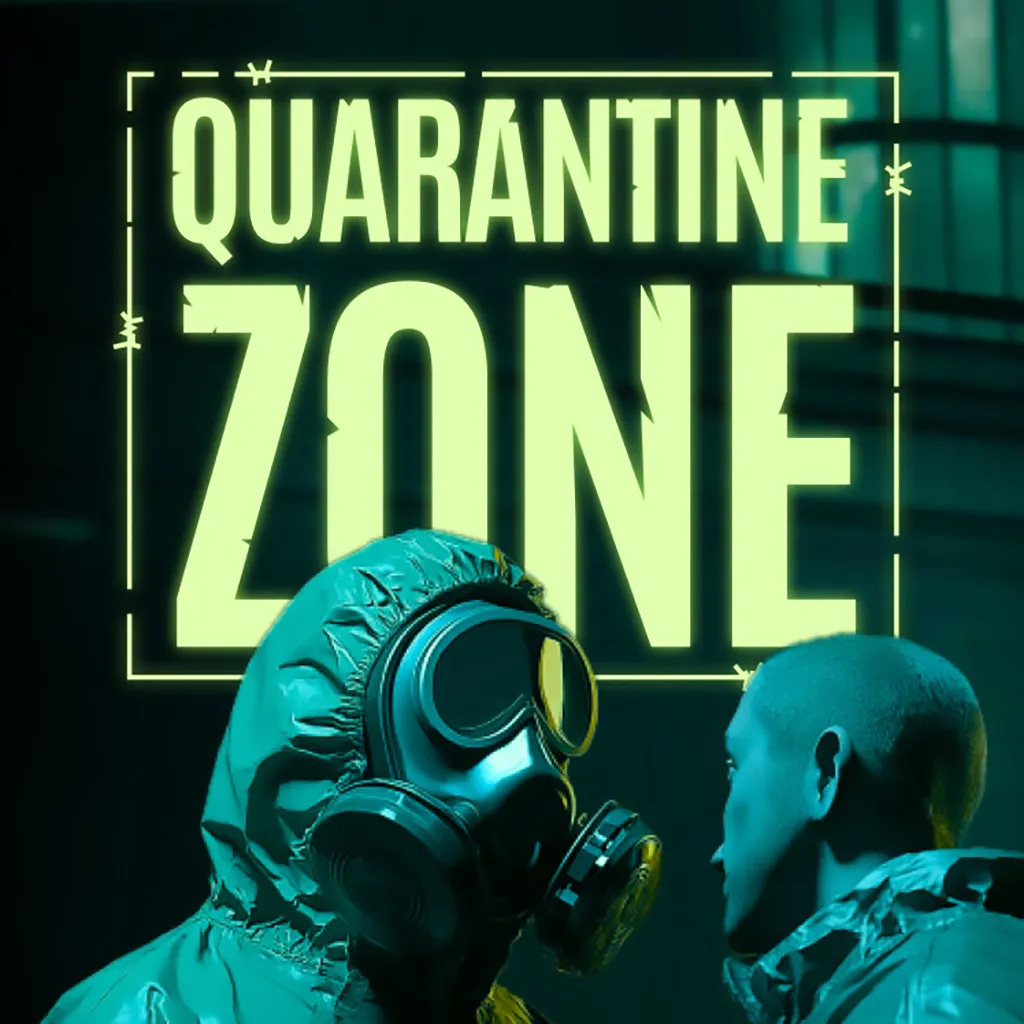
In a landscape crowded with post-apocalyptic games, Quarantine Zone: The Last Check manages to carve out its own niche by marrying survival instincts with tactical depth and emotionally charged narrative beats. Developed by Brigada Games and published by Devolver Digital, the title isn’t just another walk through a ruined world; it’s a carefully measured crawl — where every decision matters, every moment of respite feels precious, and every choice can ripple far beyond its immediate consequences.
The premise is familiar: civilization has fractured under the weight of an unnamed contagion, quarantines have hardened into militarised zones, and pockets of humanity struggle amid scarcity and suspicion. Yet The Last Check differentiates itself by delivering this narrative through immersive survival mechanics, tactical encounters, and a grounded sense of day-to-day perseverance that avoids melodrama without undercutting tension.
This is a game about grit, consequence, and what it means to endure when hope is thin and danger is constant.
Worldbuilding and Setting: A Bleak, Believable Reality
Rather than opting for bombast, Quarantine Zone invests in texture. The world feels scratched by time and despair — not just apocalyptic debris. Crumbling checkpoints, rusted vehicles, makeshift barricades, and faded warning signs evoke a world that fractured slowly, painfully, and with lingering psychological scars.
NPCs you encounter aren’t archetypes of villainy or virtue; they are survivors — practical, wary, occasionally compassionate, and sometimes unpredictable. Gone is the black-and-white morality of less ambitious survival titles. Interactions — whether trading supplies, bartering for information, or simply starting a conversation — often involve layered dialogue options that shape your perception of characters and, in some cases, their willingness to help later.
This low-flash, high-impact worldbuilding carries emotional gravitas without relying on cinematic cutscenes or heavy handed exposition. It trusts the player to absorb atmosphere through exploration, environment, and encounters — and rewards observation accordingly.
Gameplay and Mechanics: Strategy Meets Survival
If Quarantine Zone has a beating heart, it lies in its interplay of survival systems and tactical challenge. These aren’t just cosmetic layers — they’re central to every action, from scavenging supplies to engaging threats.
Survival Loop: Resource Scarcity with Purpose
The game’s early hours impress upon you that resources are precious. Food, medical supplies, ammo, and even simple tools are limited and often guarded by risk. This scarcity forces thoughtful decision-making rather than arbitrary grinding:
- Foraging and scavenging require planning — do you risk a run into contested ruins for potential supplies or retreat to safety?
- Inventory management is deliberate, with weight limits and slot constraints pushing you to prioritise gear based on immediate and future tension.
Unlike survival games that turn resource gathering into tedium, Quarantine Zone uses scarcity to create meaningful tension. Every trip outside your safe space carries potential reward and cost — a balance that sustains player engagement throughout.
Combat and Tactical Engagements
Combat is strategic rather than twitch-based. You can skirmish directly, but success often favors preparedness and positioning over brute force:
- Stealth and cover mechanics allow players to avoid direct fights or set up ambushes.
- Weapon choice and upgrades matter. A well-maintained handgun might save your life at close range, while improvised traps can thin enemy numbers without drawing attention.
- Enemy behaviours vary. Some are infected and driven by relentless aggression; others are humanoid survivors with unpredictable tactics and defensive instincts.
Encounters reward patience and observation. Charging recklessly into a group of enemies typically ends in rapid depletion of supplies or worse. The satisfaction here isn’t simply victory — it’s smart victory, achieved through planning and adaptation.
Narrative and Emotional Resonance
The narrative structure in The Last Check avoids bombastic set pieces in favour of quiet, human moments. Instead of a sweeping epic, the game offers a series of story beats that reveal context through personal exchanges, environmental clues, and your own choices.
There’s no grand omniscient narrator to explain the contagion’s origin or offer prophetic revelations. Instead, you piece the world’s history together through:
- Found documents and recordings
- Character backstories
- NPC reactions to your actions
- Subtle world alterations based on decisions
This approach invites players to become active interpreters of story rather than passive consumers. The result is a narrative that feels earned rather than spoon-fed.
Visual and Audio Design: Immersive Minimalism
Visually, Quarantine Zone opts for a realistic palette — dusty browns, rusted metal, and muted greys dominate, broken only by rare splashes of colour that signal life or danger. The environment never feels generic; each area has its own architectural character and narrative fingerprints.
Character designs tell stories of hardship: torn clothing, improvised upgrades, facial expressions worn by circumstance rather than caricature. Combat and movement animations are purposeful — not cinematic, but grounded and convincing.
Audio design further amplifies immersion. The soundscape is sparse yet evocative: wind gusts through broken windows, distant groans carry across empty streets, and the crackle of static from a battered radio hints at unseen voices. Ambient music surfaces only at key moments, allowing silence to carry weight and draw focus to diegetic sound.
Pacing and Player Engagement
As with many survival games, pacing is intentional — slow when the world feels wide open, tense when danger dwells nearby, and reflective during quieter moments of exploration or conversation.
This pacing isn’t always exhilarating, but it is effective. There’s a rhythm to survival: prepare, venture, evaluate, retreat, reflect. It mimics real-world problem-solving more than action-game adrenaline loops, and for players who appreciate methodical approaches this can be deeply rewarding.
That said, some players seeking constant, fast-paced action may find the rhythm at odds with their expectations. The game excels as a slow crawl — true to its title — but loses points if measured by run-and-gun standards.
Accessibility and Learning Curve
Quarantine Zone is accessible without being simplistic. Early tutorialisation eases players into core systems, but mastery requires experimentation and thoughtful risk management. Tools, maps, and indicators are clear without over-explaining systems, and the interface supports strategic decision-making without clutter.
However, the absence of optional difficulty tiers or assist features may deter players less comfortable with resource scarcity or survival strategy. This is a deliberate design stance — survival here is intended to feel meaningful rather than convenient — but it remains worth noting.
Replayability and Longevity
Replay value stems less from branching narrative arcs and more from:
- Alternate survival strategies
- Different approaches to resource management
- Varied combat tactics
- Emergent storytelling via decisions and consequences
Completing the game once is a satisfying achievement. Returning to experiment with different approaches — stealth first, trap-focused defense, or aggressive combative builds — further enriches the experience, though the core story doesn’t diverge dramatically.
Final Verdict
Pros:
- Deep, thoughtful survival mechanics
- Immersive worldbuilding with grounded narrative
- Strategic, satisfying combat
- Strong audio and visual atmosphere
Cons:
- Deliberate pacing may not suit all players
- Limited story branching
- No accessibility modes for more casual pacing
Summary:
Quarantine Zone: The Last Check is a rich, atmospheric survival experience that blends tactical depth with narrative intelligence. Its world feels lived-in and consequential, its mechanics demand thoughtful engagement, and its emotional core resonates through human interaction and player choice.
While its pacing and resource restrictions won’t appeal to everyone, for players who appreciate measured tension, meaningful decision-making, and survival stories that respect nuance over shock, this is a compelling and memorable journey through a fractured world.