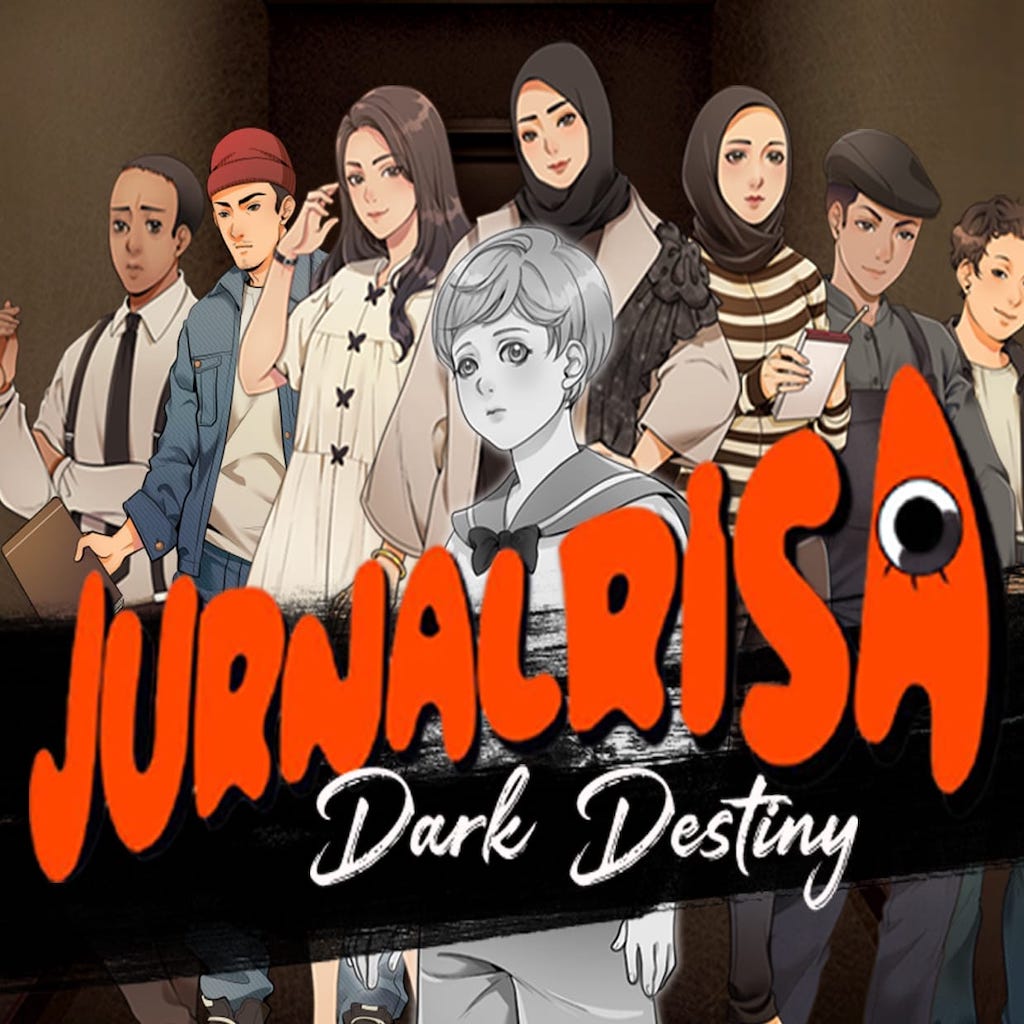
Horror games often fall into familiar traps. Haunted hospitals, abandoned asylums, and predictable jump scares have long been staples of the genre, making genuine surprises increasingly rare. Yet some of the most memorable horror experiences in recent years have come from developers willing to embrace their own cultural histories and folklore. Rather than recycling ideas audiences have seen countless times, they draw on local legends, traditions, and beliefs that feel authentic and deeply personal. Jurnal Risa: Dark Destiny belongs firmly in that category.
Developed by Digital Happiness, the talented Indonesian studio best known for the DreadOut series, Jurnal Risa: Dark Destiny draws inspiration from one of Indonesia’s most fascinating paranormal phenomena. Set in the world of Jurnal Risa and the stories surrounding paranormal investigator Risa Saraswati, the game blends supernatural mystery, visual novel storytelling, exploration, and psychological horror into an experience that feels refreshingly different from many of its Western counterparts.
While it occasionally stumbles over pacing and uneven gameplay mechanics, the result is a haunting, emotionally engaging journey that leaves a lasting impression.
A Story Rooted in Belief
One of Dark Destiny’s greatest strengths is its narrative foundation. For players unfamiliar with Jurnal Risa, the series centres on real-life paranormal investigations and supernatural encounters inspired by the experiences of Risa Saraswati and her team. Rather than treating ghosts as simple monsters, these stories often explore the emotional ties between the living and the dead, examining unresolved trauma, regret, and unfinished business.
Dark Destiny expands this universe with a new supernatural mystery centred on a long-hidden nemesis whose existence has remained buried in the shadows of the Jurnal Risa mythology.
The story unfolds through a mix of visual novel sequences, exploration segments, character interactions, and supernatural investigations. What immediately stands out is the sincerity of the writing. The game never feels cynical or exploitative. It approaches its paranormal themes with genuine respect, creating a world where spirits are not merely obstacles but remnants of real human stories.
As the mystery deepens, players uncover forgotten memories, tragic histories, and hidden connections that gradually reveal the truth behind the darkness consuming the narrative. The pacing can occasionally feel slower than some players expect, but the emotional payoff makes the journey worthwhile.
The Power of Authentic Voices
One of the game’s most distinctive features is its full voice acting. Rather than relying on hired performers unfamiliar with the source material, the real members of the Jurnal Risa team lend their voices to the characters. This decision proves invaluable throughout the experience. Conversations feel natural, relationships believable, and emotional moments carry a sincerity that would have been difficult to replicate otherwise.
The chemistry between characters never feels forced. There is a genuine warmth in quieter scenes that makes the darker moments hit even harder. When fear begins to take hold, you believe these people care about one another. That authenticity becomes one of Dark Destiny’s secret weapons. Horror works best when players care about the people involved, and the voice performances go a long way towards creating that connection.
Fear Through Atmosphere
Many horror games rely on constant jump scares to sustain tension. Dark Destiny takes a more patient approach. The game excels at building atmosphere through environmental storytelling, sound design, and carefully controlled pacing. Exploring abandoned homes, forgotten buildings, and spiritually corrupted locations creates a constant sense of unease. The environments feel lived-in, carrying traces of lives that existed before tragedy struck.
Lighting plays a major role throughout the adventure. Shadows dominate many locations, forcing players to rely on limited sources of illumination as they navigate unfamiliar spaces. The darkness feels oppressive without becoming frustrating.
The sound design deserves particular praise. Soft whispers emerge from unseen corners. Distant footsteps echo through empty corridors. Traditional Indonesian musical influences blend seamlessly with the supernatural atmosphere. Even moments of silence feel deliberate and threatening. The result is horror that slowly creeps under your skin rather than trying to shock you every few minutes.
Collecting the Pieces
Gameplay focuses primarily on exploration, investigation, and uncovering hidden fragments of the larger mystery. Throughout the adventure, players collect photographs and memory fragments that gradually reveal more about the world and its characters. This system works surprisingly well because it rewards curiosity. Every hidden collectible feels meaningful rather than simply inflating completion percentages.
The visual novel structure allows the story to take centre stage while still giving players enough interaction to remain engaged. Choices, discoveries, and conversations help shape the overall experience, creating a sense of involvement that goes beyond simply reading dialogue.
There is also a selection of mini-games scattered throughout the adventure. These moments serve as welcome breaks from the tension and help vary the pacing. While not every mini-game is particularly memorable, they provide enough variety to keep the experience from becoming repetitive. More importantly, they never overstay their welcome.
A Beautifully Realised World
Visually, Dark Destiny is impressive. Digital Happiness has crafted environments that feel both grounded and otherworldly. Realistic locations are infused with subtle paranormal elements that grow increasingly disturbing as the story progresses. Rather than throwing bizarre imagery at players from the outset, the game slowly distorts reality until familiar surroundings become deeply unsettling.
Character models and facial animations generally perform well in dialogue-heavy scenes. Emotional expressions are conveyed effectively, helping sell both dramatic and frightening moments.
The artistic direction also deserves recognition for embracing Indonesian culture and aesthetics. Too often, games flatten cultural identities into generic representations. Dark Destiny instead celebrates its roots, creating an experience that feels distinct from anything else currently available in the horror genre. That cultural identity gives the game an authenticity that cannot be manufactured.
Where the Darkness Falters
As strong as the overall package is, Dark Destiny is not without flaws. The pacing occasionally falters in the middle chapters. Some investigations require extensive backtracking, and certain environmental clues can be frustratingly obscure. At times, progression feels less like solving a mystery and more like searching for the one tiny detail the game expects you to notice.
The slower movement speed, while effective for building tension, can become slightly tedious during repeated attempts at certain sections. A handful of stealth sequences feel longer than necessary, particularly when failure forces players to revisit previously completed areas.
The mini-games also vary in quality. Some are enjoyable diversions, while others feel more like obligatory interruptions than meaningful additions. Fortunately, these issues never derail the overall experience.
Final Verdict
Jurnal Risa: Dark Destiny is another strong example of why Southeast Asian horror continues to thrive. By embracing its cultural identity rather than chasing mainstream trends, Digital Happiness has crafted an experience that feels fresh, authentic, and genuinely unsettling.
The narrative delivers emotional depth alongside supernatural mystery. The voice acting lends an impressive level of authenticity to every interaction. The atmosphere is consistently effective, building dread through careful storytelling rather than relying solely on shock value. Most importantly, the game understands that the best ghost stories are ultimately about people.
While some pacing issues and occasionally cryptic progression systems prevent it from reaching absolute greatness, they are minor blemishes on an otherwise compelling adventure.
For horror fans seeking something beyond the familiar haunted-house formula, Jurnal Risa: Dark Destiny offers a compelling journey into Indonesian supernatural folklore. It is eerie, heartfelt, and often surprisingly moving. Long after the final chapter, its spirits, stories, and unanswered questions linger in the mind. Sometimes the most frightening thing is not the ghost in the room. It’s the story that follows you after you’ve left.