Some games impress with technical ambition. Others captivate through gameplay innovation. Then there are games like Forgotlings, which earn their place in your memory through sheer heart. From its opening scenes, Throughline Games invites players into a world that feels both magical and melancholic, a place where discarded objects are given life and purpose long after their owners have forgotten them.
As the spiritual successor to Forgotton Anne, Forgotlings carries the weight of expectation. Thankfully, it does not simply try to recreate what made its predecessor special. Instead, it reaches for something far more ambitious. By combining cinematic storytelling, exploration, diplomacy, and light action mechanics within a sprawling, interconnected world, Throughline Games has crafted an adventure that feels deeply personal and surprisingly mature. It is not flawless, but it constantly reminds you why video games remain such a unique storytelling medium.
The Journey of Fig
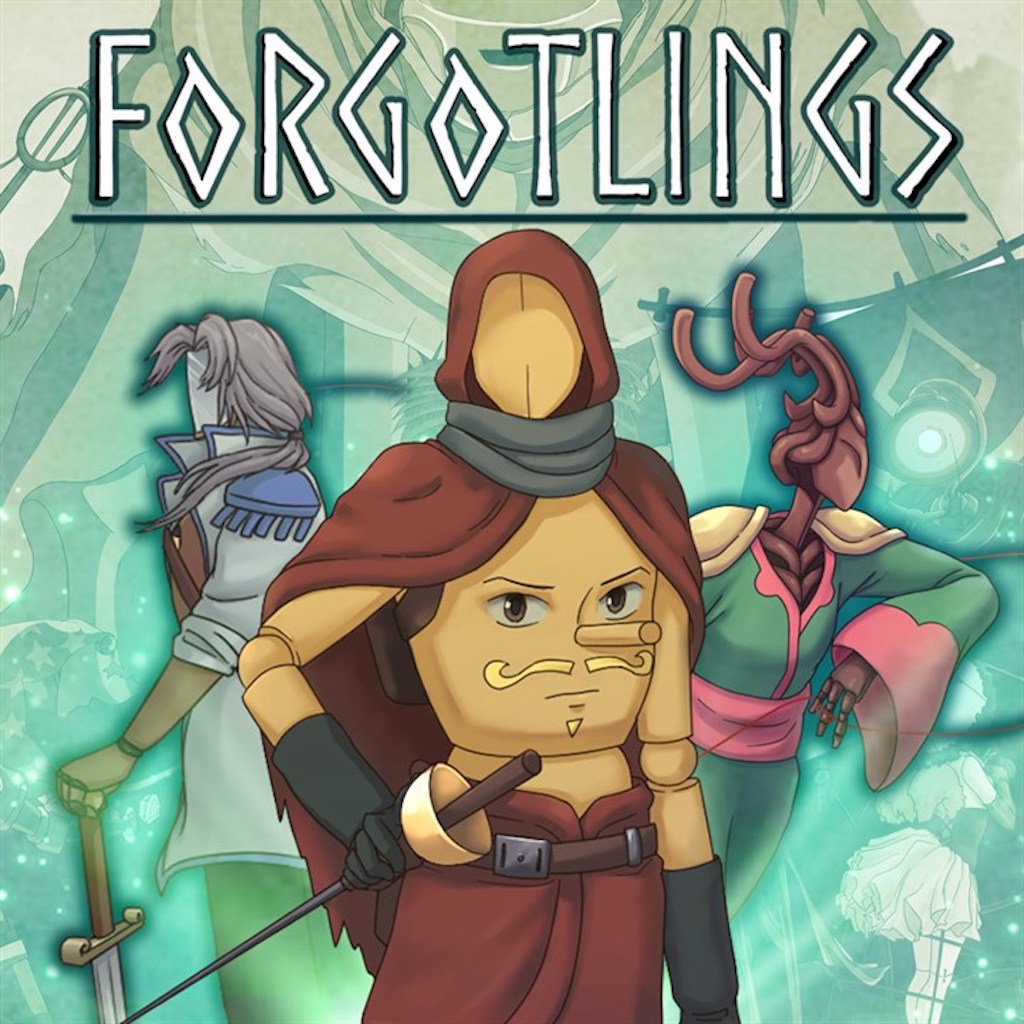
The story follows Fig, a posing doll who captains the Volare, a living airship drifting across the Forgotten Lands. This strange realm is inhabited entirely by forgotlings, objects abandoned or misplaced by humans that have somehow developed consciousness and formed their own societies.
When a mysterious darkness begins spreading across the world, threatening everything in its path, Fig finds himself tasked with an impossible mission. The five tribes that inhabit the Forgotten Lands have become divided by centuries of distrust and conflict. To avert the approaching catastrophe, Fig must travel across the realm and convince these fractured communities to stand together.
What could have easily become a conventional fantasy tale instead evolves into something far more thoughtful. Forgotlings spends much of its time exploring questions of identity, purpose, belonging, and legacy. The forgotlings themselves are fascinating, as they grapple with existential concerns that mirror our own. What happens when the purpose you were created for no longer exists? How do you find meaning when the world that once defined you has moved on? These themes are woven naturally into the narrative, creating moments of genuine emotional resonance throughout the adventure.
A Living Storybook
Visually, Forgotlings is breathtaking. Every frame feels handcrafted with extraordinary care. Characters move through richly painted environments that seem pulled straight from the pages of an illustrated fairy tale. The animation on display is remarkable, with thousands of hand-drawn frames bringing the world to life in ways few modern games even attempt.
The Forgotten Lands are packed with personality. Towering mountain settlements, windswept deserts, bustling marketplaces, and forgotten ruins each possess a distinct identity. Every location feels lived-in, filled with communities that have developed their own traditions, beliefs, and histories.
The art direction does far more than look beautiful. It strengthens the game’s central themes. This is a world built from objects that have outlived their original purpose, and the visual design constantly reinforces that idea. Every environment tells a story before a single line of dialogue is spoken.
Complementing the visuals is an exceptional musical score. The orchestral soundtrack adds emotional depth to nearly every scene, shifting effortlessly between moments of wonder, sadness, hope, and tension. Combined with excellent voice performances, it creates an atmosphere that remains consistently immersive.
Diplomacy Over Destruction
One of Forgotlings’ most interesting ideas is its emphasis on diplomacy. Rather than solving every problem through combat, Fig spends much of his adventure talking to people, resolving disputes, and navigating complex political situations. Conversations use a choice-based dialogue system that lets players empathise, challenge, encourage, or question the characters they encounter.
These choices matter. Relationships evolve depending on how you approach conversations, and certain outcomes can dramatically alter how tribes perceive Fig and his mission. The system encourages players to think carefully about their responses rather than simply selecting the option that seems most heroic.
This focus on communication gives Forgotlings a refreshing identity. In many games, conflict is resolved through violence. Here, understanding and cooperation often prove far more powerful.
The writing deserves significant praise for supporting these systems. Conversations feel meaningful because the characters are well realised. Their fears, motivations, and personal histories are believable, making the world feel far richer than its fantasy premise might initially suggest.
Exploring the Forgotten Lands
Structurally, Forgotlings adopts a semi-open Metroidvania approach. As Fig gains new abilities and access to different regions, previously inaccessible paths gradually open, encouraging exploration and rewarding curiosity.
The world is filled with optional secrets, hidden lore fragments, and side activities. One of the most enjoyable distractions is INA, a strategic board game played throughout the Forgotten Lands. What could have been a simple novelty becomes a surprisingly engaging activity, with enough depth to become a genuine hobby within the game itself.
Exploration feels rewarding because the world is packed with stories. Hidden corners rarely contain only collectibles. More often, they reveal snippets of forgotten history, character moments, or environmental storytelling that deepen your understanding of the setting. Players who enjoy taking their time will find plenty to discover beyond the main narrative path.
Where the Cracks Begin to Show
As wonderful as Forgotlings can be, its ambitions occasionally outstrip its mechanical strengths. The platforming never feels as polished as the surrounding storytelling. Movement can feel heavier than expected, particularly in sections that demand precision. Jumping and navigating environmental obstacles lack the fluidity found in the genre’s best examples, creating moments of unnecessary frustration.
Combat is even less successful. Fig’s sword-based encounters introduce basic attacks, dodges, and parries, but these systems never develop enough depth to remain consistently engaging. Enemy encounters often feel repetitive, and the combat lacks the satisfying responsiveness needed to elevate these sequences beyond simple interruptions.
The early hours also suffer from pacing issues. Forgotlings takes a long time to establish its world, characters, and systems. While the setup ultimately pays off, some players may find the opening chapters slower than necessary before the adventure truly finds its rhythm. Fortunately, these weaknesses never completely derail the experience, as the narrative remains compelling enough to carry players forward.
A Story Worth Remembering
What ultimately makes Forgotlings special is not its combat or exploration systems. It is the emotional sincerity at the heart of the adventure. Throughline Games approaches its unusual premise with remarkable confidence, never treating its world of living forgotten objects as a joke or a gimmick. Instead, it uses that foundation to tell a deeply human story about connection, purpose, and understanding.
Few games are willing to slow down and genuinely explore ideas of empathy in the way Forgotlings does. Even fewer manage to do so without feeling preachy or heavy-handed. The result is an adventure that feels thoughtful, mature, and surprisingly moving.
Final Verdict
Forgotlings is an imperfect yet deeply memorable adventure that succeeds because of its enormous heart. Its stunning hand-drawn visuals, rich world-building, and emotionally intelligent storytelling create an experience unlike almost anything else currently available.
The platforming and combat systems occasionally struggle to match the brilliance of the narrative, and the slow opening hours may test some players’ patience. Yet those shortcomings fade into the background once the journey truly begins. The characters, themes, and atmosphere leave a lasting impression that few games manage to achieve.
Throughline Games has created something genuinely special. Forgotlings is a celebration of forgotten things, forgotten people, and forgotten dreams. More importantly, it is a reminder that stories about compassion, understanding, and unity can still feel powerful when told with honesty and care. For fans of story-driven adventures, beautifully realised worlds, and thoughtful narratives, Forgotlings is an unforgettable voyage well worth taking.