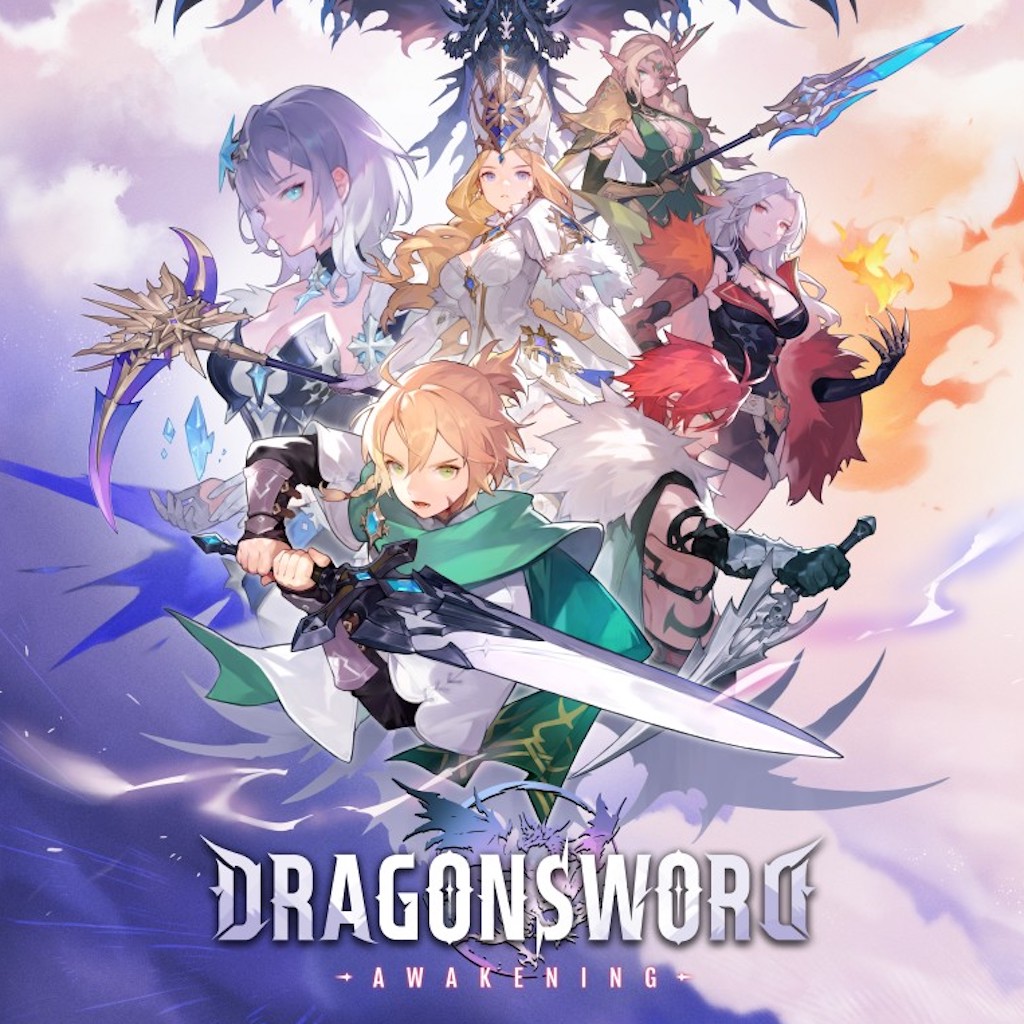
Fantasy role-playing games rarely lack ambition. Dragons threaten kingdoms, unlikely heroes rise from humble beginnings, and friendships forged through hardship often become the emotional backbone of the journey. DragonSword: Awakening doesn’t attempt to overturn those familiar ideas, but it approaches them with enough sincerity that they never feel tired. Instead of chasing the trends that dominate so many modern RPGs, it focuses on delivering a complete single-player adventure that simply wants players to lose themselves in a colourful world.
Originally conceived as a live-service title, DragonSword: Awakening has undergone a dramatic transformation before release. Gone are the gacha mechanics and microtransactions that once seemed central to its design, replaced by a premium offline experience where every hero, weapon and upgrade is earned naturally through gameplay. That single decision changes the entire feel of the game, allowing every reward to feel deserved rather than purchased. It is refreshing to play an RPG that respects your time and encourages exploration instead of endless grinding for premium currencies.
The story follows Lute, a young traveller whose ordinary life is quickly swept aside when fate places him alongside a colourful band of mercenaries. Together they journey across the continent of Orbis, searching for answers as an ancient dragon returns to threaten a fragile peace. It is a familiar setup, but strong character chemistry and steady world-building help elevate what could have been another predictable fantasy tale.
A Beautiful World Worth Exploring
The first thing that grabs your attention is Orbis itself. Powered by Unreal Engine 5, the continent bursts with bright colours, sweeping landscapes and inviting towns that feel full of life. Rolling grasslands stretch towards towering castles, dense forests conceal hidden ruins, and crystal-blue coastlines provide a welcome contrast to the darker dungeons waiting beneath the surface.
Exploration is consistently rewarding because the game encourages curiosity rather than rushing players from one objective to the next. Hidden caves often contain valuable equipment, forgotten towers hide treasure, and optional quests introduce memorable characters with their own struggles. Even when no immediate reward awaits, simply wandering through the world is enjoyable thanks to its vibrant presentation and relaxed atmosphere.
The addition of Familiars and rideable mounts makes travelling across Orbis even more satisfying. Collecting resources while exploring naturally feeds into the crafting and cooking systems, ensuring that every journey contributes to your overall progression. Rather than feeling like separate mechanics, exploration and character development work together to create an adventure that always feels productive.
Fast Combat With Plenty of Depth
Although DragonSword: Awakening initially appears to be a straightforward anime action RPG, its combat system reveals surprising depth once battles begin. Combat centres on building a team of heroes who specialise in different status ailments, then swapping between them during encounters to unleash powerful Signal Skills. Constant switching creates an energetic rhythm that rewards experimentation and clever timing rather than repetitive attacks.
Every hero brings unique strengths to the battlefield. Some specialise in launching enemies into the air, while others freeze, burn or stagger opponents to create devastating combo opportunities. Learning how these abilities interact is one of the most satisfying aspects of combat, because every successful chain feels like something you created rather than something the game simply hands you.
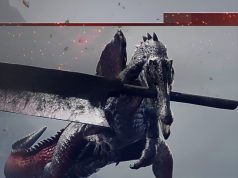
Boss encounters make excellent use of these mechanics, demanding careful observation and precise execution. Large enemies have attack patterns that require proper dodging, while reckless button mashing is punished surprisingly quickly. The challenge feels fair throughout most of the campaign, encouraging players to master the combat system rather than relying solely on stronger equipment.
With nineteen playable heroes available, there is plenty of room for experimentation. Different party combinations dramatically alter the flow of combat, making each newly recruited character feel genuinely exciting. Discovering unexpected synergies between abilities is just as rewarding as uncovering legendary weapons hidden throughout the world.
Meaningful Progression Without Endless Grinding
Perhaps the biggest surprise is how satisfying progression feels throughout the adventure. Every upgrade, new weapon and recruit is unlocked through gameplay, creating a constant sense of achievement that many modern RPGs struggle to replicate. Without premium shortcuts or random character summons getting in the way, every improvement feels earned through exploration and persistence.
Character growth extends well beyond simple level increases. New equipment, enhanced skills, stronger Familiars and expanded crafting options steadily become available as the story unfolds. Because several progression systems advance together, there is almost always another worthwhile objective waiting just over the next hill or inside the next dungeon.
Cooking adds another enjoyable layer to the experience without becoming unnecessarily complicated. Ingredients gathered during exploration can be combined into meals that provide useful bonuses before major encounters. These systems encourage players to fully engage with Orbis rather than sprint directly between story objectives, giving the world greater purpose beyond serving as a backdrop for combat.
Presentation Full of Heart
DragonSword: Awakening succeeds because every aspect of its presentation works together to create a welcoming adventure. Character models are expressive, spell effects fill battles with colourful energy, and environments remain visually interesting across dozens of hours. The bright, anime-inspired art direction gives the game its own identity without relying purely on technical spectacle.
The soundtrack supports every stage of the adventure with confidence. Peaceful orchestral melodies accompany quiet moments of exploration, then seamlessly transition into energetic battle themes during larger encounters. While few tracks become immediately unforgettable, they consistently reinforce the mood and strengthen the story’s emotional impact.
Voice performances also deserve recognition for bringing the cast to life. Conversations between party members feel relaxed and believable, allowing friendships to develop naturally throughout the campaign. Those quieter interactions often leave a stronger impression than the larger cinematic moments because they make the characters feel like genuine travelling companions rather than simple quest givers.
Performance remains stable throughout the adventure. Frame rates generally hold up well during exploration and combat, while loading times remain pleasantly brief. Minor visual hiccups occasionally remind you that Unreal Engine 5 can still be demanding, but these moments are infrequent enough not to significantly disrupt the overall experience.
Old Habits Die Hard
Despite its many strengths, DragonSword: Awakening cannot entirely escape traces of its earlier development. The user interface occasionally feels cluttered, with layered menus that still resemble those originally designed for mobile devices. None of these issues are game-breaking, but they can make navigating equipment and progression feel slightly more cumbersome than necessary.
The opening hours are also slower than they should be. Early quests rely heavily on familiar fetch objectives and simple monster hunts before the story begins to build momentum. Players willing to invest the time will eventually discover a far stronger experience, but the introduction may test the patience of those expecting immediate excitement.
Enemy variety is another area where the game occasionally loses momentum. While later regions introduce memorable bosses and fresh challenges, regular enemies are often recycled with increased health and damage rather than entirely new behaviours. It never becomes a major problem, but greater variety would have helped maintain excitement across the lengthy campaign.
Final Verdict
DragonSword: Awakening proves that strong fundamentals still matter. Rather than relying on endless online systems or monetisation hooks, it delivers an enjoyable fantasy adventure built around satisfying combat, rewarding exploration and likeable characters. Its willingness to abandon live service mechanics ultimately becomes one of its greatest strengths, making every achievement feel meaningful.
Although the game carries a few reminders of its original design and takes longer than ideal to reveal its strengths, the journey becomes increasingly rewarding the further you travel across Orbis. The engaging tag-team combat, colourful environments and generous progression systems create an adventure that remains entertaining from beginning to end. It may not redefine the action RPG genre, but it absolutely earns its place among the genre’s more enjoyable modern entries.