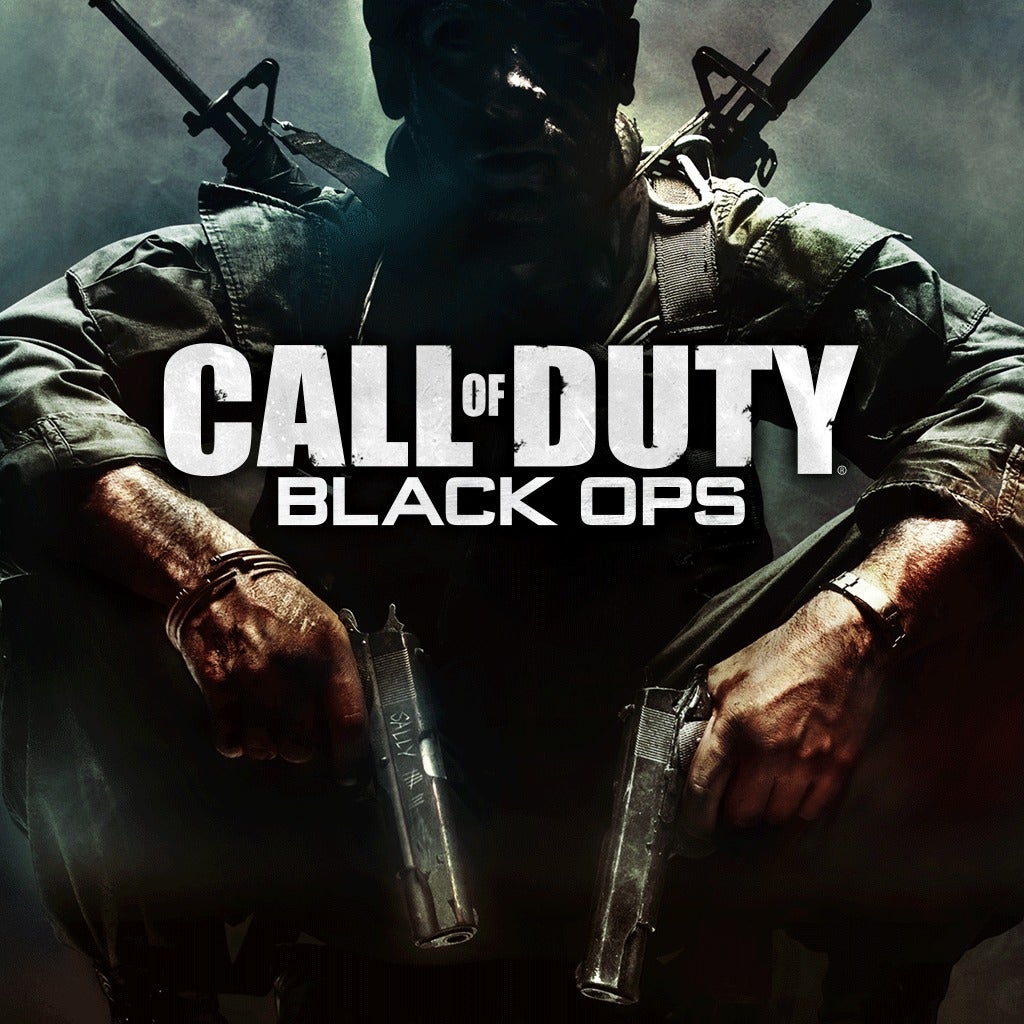
Every long-running franchise has that one game fans cite when discussing its defining moment. For many, Call of Duty 4: Modern Warfare revolutionised the modern military shooter. Others champion Modern Warfare 2 for its relentless spectacle. Yet there is a compelling case that Treyarch’s Call of Duty: Black Ops quietly surpassed them both, delivering the most complete package the series had ever seen.
Released in 2010 and now arriving on PlayStation 4 and PlayStation 5 for the first time, Black Ops remains an extraordinary achievement. It blended blockbuster action with psychological storytelling, introduced multiplayer ideas that became series staples, and elevated Zombies from a fun bonus mode into something players could spend hundreds of hours mastering. More than fifteen years later, it still stands tall, not merely because of nostalgia, but because its design remains remarkably focused and confident.
While many shooters chase bigger explosions and louder set pieces, Black Ops succeeds because every part of the experience serves a purpose. Its campaign keeps you questioning reality, its multiplayer rewards skill without unnecessary complexity, and its co-operative mode remains one of the finest ever created.
The Numbers, Mason
Few Call of Duty campaigns open with such an unforgettable image. You awaken, restrained in an interrogation room, battered and confused, as unseen voices demand answers to one simple question. “What do the numbers mean, Mason?”
From that moment on, Black Ops refuses to tell a straightforward military story. Instead, it guides players through fragmented memories that gradually reveal a conspiracy spanning decades of Cold War history. Alex Mason is not presented as an invincible action hero. He is haunted, manipulated and increasingly unsure whether his own memories can be trusted.
This approach transforms what could have been another globe-trotting shooter into something far more compelling. Flashbacks carry genuine narrative weight, slowly peeling away layers of deception while constantly prompting players to question everything they have witnessed.
The supporting cast only enhances the experience. Frank Woods remains one of the franchise’s most memorable allies, delivering equal measures of humour, grit and loyalty. Victor Reznov, returning from World at War, steals nearly every scene he appears in, emerging as one of the series’ most fascinating and emotionally complex characters. By the time the final revelations arrive, Black Ops earns them through careful storytelling rather than relying solely on shock value.
Mission Variety Done Right
One reason the campaign remains so enjoyable is its refusal to become repetitive. Every mission introduces fresh mechanics, unique settings or memorable objectives without lingering on any single idea for too long.
One moment, you are escaping the brutal Vorkuta labour camp during one of the most exhilarating prison breaks ever staged in a shooter. The next, you are navigating dense Vietnamese jungles under heavy fire before infiltrating Soviet facilities buried beneath frozen landscapes. Each location feels distinct, both visually and mechanically.
Stealth sections offer welcome breathing space between explosive firefights, while vehicle missions and airborne sequences add further variety without overstaying their welcome. Treyarch understood that pacing matters just as much as spectacle, allowing quieter moments to build tension before unleashing another unforgettable action sequence. Even after multiple playthroughs, the campaign maintains its momentum because it constantly evolves without ever feeling unfocused.
Multiplayer That Changed Everything
While the campaign grabbed headlines, multiplayer quietly introduced several innovations that reshaped the franchise. The introduction of COD Points created an entirely new progression system. Instead of automatically unlocking equipment, players earned currency through matches and spent it on the weapons, perks and attachments they genuinely wanted. This gave progression a satisfying sense of ownership, rewarding without becoming overwhelming.
Black Ops also introduced Wager Matches, offering entirely new ways to compete. Gun Game, One in the Chamber and Sticks and Stones quickly became favourites for stripping away traditional loadouts and rewarding raw adaptability. These party modes offered a refreshing break from standard competitive play while remaining fiercely addictive.
Combat Training also deserves praise. New players finally had somewhere to practise against AI opponents before entering competitive matches, making multiplayer considerably more welcoming than in previous entries.
Everything felt carefully balanced. Weapons remained powerful without becoming overly dominant, killstreaks rewarded strong performances without completely overwhelming matches, and progression encouraged experimentation rather than forcing players into narrow metas.
Welcome to Nuketown
Some multiplayer maps become popular for a season before fading away. Nuketown became an institution. Its compact suburban layout delivered constant action from the opening seconds, sparking frantic firefights that demanded quick reactions and precise positioning. Despite its small size, clever lane design prevented total chaos, rewarding players who understood its flow.
Even today, Nuketown remains synonymous with Call of Duty. Countless remakes and spiritual successors have tried to recapture its magic, yet the original still captures the perfect balance between frantic action and tactical awareness. Alongside classics such as Firing Range, Summit, Havana and Grid, Black Ops delivered one of the franchise’s strongest map selections to date.
Zombies Comes Into Its Own
Before Black Ops, Zombies was already popular. After Black Ops, it became essential. Kino der Toten quickly established itself as one of the greatest survival maps ever created. Its eerie abandoned theatre, memorable layout and escalating difficulty provided endless replay value while remaining accessible to newcomers.
Then came Five, perhaps one of the boldest ideas Treyarch ever attempted. Watching John F. Kennedy, Richard Nixon, Fidel Castro and Robert McNamara battle waves of the undead inside the Pentagon should not have worked. Somehow, it became one of gaming’s most entertaining concepts.
The mode also expanded through downloadable content, introducing Moon, Ascension and Call of the Dead, each bringing fresh mechanics, deeper lore and increasingly ambitious Easter eggs. These maps laid the groundwork for the sprawling Zombies mythology that would define Treyarch’s future titles. Whether played solo or with friends, Zombies offered hundreds of hours of content, entirely separate from the main campaign.
Aged, But Never Outdated
Naturally, a game released in 2010 cannot compete visually with today’s technical showcases. Character models occasionally appear stiff, textures show their age, and environmental detail lacks the complexity expected of modern hardware. Players accustomed to contemporary lighting and animation systems will immediately notice these limitations.
Yet impressive art direction prevents the presentation from feeling dated. Vietnam’s humid jungles remain atmospheric, Soviet facilities still feel oppressive, and the campaign’s distinctive colour grading gives each location its own identity.
Sound design has arguably aged even better. Weapons produce satisfyingly powerful reports, and explosions shake the battlefield. Sean Murray’s memorable soundtrack perfectly complements both the campaign’s emotional moments and its explosive action. Running on modern PlayStation hardware also ensures responsive controls and stable performance, keeping the gameplay as sharp as ever.
The Verdict
Call of Duty: Black Ops remains one of the defining first-person shooters ever made. Treyarch combined intelligent storytelling, unforgettable characters and exceptional pacing to create a campaign that still ranks among the very best in the genre. Rather than simply delivering explosive spectacle, it dared to explore paranoia, manipulation and psychological trauma in ways few blockbuster shooters have attempted since.
Outside the campaign, multiplayer introduced systems that shaped countless future entries, while Zombies evolved into one of gaming’s greatest cooperative experiences. Very few releases have excelled across every major mode, yet Black Ops achieved exactly that with remarkable confidence.
Time has naturally softened its visuals, yet its design remains almost timeless. Every mission, every map and every mechanic reflects a development team operating at the very top of its craft. More than fifteen years later, it is still easy to see why so many players consider this Treyarch’s finest hour.
If you have never experienced Black Ops before, there has rarely been a better opportunity. If you are returning after years away, prepare to be reminded of just how special this era of Call of Duty truly was.