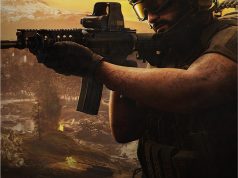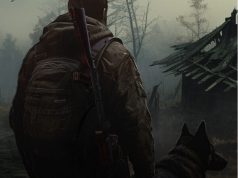
Few games evoke the stark, unforgiving beauty of a desert wasteland as powerfully as DuneCrawl. Developed and published by Alientrap, this survival action title plunges players into a vast, sun-bleached world where every step across shifting sand, every battle against relentless foes, and every scare of dehydration or exposure feels viscerally real.
DuneCrawl isn’t content to be merely a survival simulator; it’s an atmospheric journey that blends resource management, environmental menace, combat tension, and a palpable sense of isolation. From its minimalist visual language to its deep survival mechanics, it capsulises the desert’s dual nature: mesmerising in beauty, merciless in danger.
But while its ambition and atmosphere are impressive, the experience isn’t without its hurdles. Its relentless pacing and unforgiving systems can frustrate as much as they challenge. In the end, DuneCrawl stands as a memorable survival odyssey — one whose harsh world rewards persistence as much as it punishes missteps.
Setting and Premise: A Land Without Mercy
There’s a very real narrative voice to DuneCrawl, one expressed through environment rather than exposition. The opening isn’t cinematic; it’s experiential. You awake amidst dunes beneath a brutal sun, with minimal tools and even fewer answers. The world doesn’t reveal itself all at once — it reveals itself slowly, layer by shimmering layer.
This is survival and exploration distilled. There’s no hand-holding tutorial; there are no safety rails. Instead, the dunes teach by consequence: dehydration, hunger, enemy ambushes, and unforeseen hazards all shape your early hours with impactful clarity. It’s a stark contrast to genre titles that cushion players with excessive guidance.
The result? You feel genuinely present — not as a character in a story, but as a fragile force within an uncaring ecosystem.
Survival Mechanics: Every Choice Matters
Survival in DuneCrawl is tactical and unforgiving. Right from the start, you’re juggling multiple resource meters: hydration, stamina, body temperature, inventory weight, and more. Each has a tangible impact on your effectiveness — lose too much hydration under the searing sun and your vision blurs, movement falters, and the screen’s warm hues grow oppressive.
Core Systems
- Hydration & Temperature: The desert’s heat isn’t just cosmetic; it actively works against you. Daylight hours demand careful pacing, strategic shade-seeking, and efficient routing between objectives.
- Stamina & Movement: Sprinting, climbing dunes, or heavy combat drain stamina quickly. Every action must be weighed — press too hard, and you risk collapse away from shelter.
- Inventory & Gear: Weight isn’t trivial. You must constantly evaluate what’s essential: water, weapons, crafting materials, or tools.
This systems interplay creates tension in every moment. Even a simple trek — say, from one rocky outcrop to another — becomes a tactical decision: what route conserves the most water? Which path avoids hostile patrols? How much weight can I carry before movement slows?
These aren’t arbitrary variables — they’re survival decisions that make the world feel tangible and fraught with consequence.
Combat and Threat Analysis
Combat in DuneCrawl occupies the space between tactical survival and visceral action. Enemies range from desert scavengers to monstrous sand-borne threats, each demanding a different approach. Some rush aggressively, forcing quick dodges and counterattacks; others skulk just beyond sight, emerging to punish careless movement.
Weaponry is grounded and purposeful. There’s no overblown fantasy flair here — combat tools feel like what you’d realistically scavenge in a desperate wasteland: improvised blades, worn firearms, makeshift traps. Landing hits feels weighty, and enemies are often sparse but dangerous rather than constant bullet sponges.
Unlike many survival games that rely on mob density to create pressure, DuneCrawl opts for punctuated intensity. Combat encounters are significant moments, and mistakes are costly.
Exploration and Worldbuilding
What separates DuneCrawl from many survival titles is its desert as character ethos. The world isn’t merely a backdrop — it’s an active participant in your journey.
The map is broad and feels lived in. Ruined encampments, eroded ruins, wind-scarred canyons, and distant spires of rock are dotted across the horizon. Environmental storytelling plays a key role: discarded relics, faded banners, and sun-bleached bones hint at past events without ever spelling them out.
Exploration here is not about linear progression; it’s spatial inquiry. Every horizon line begs the question: what lies beyond? This compulsion to discover is one of the game’s emotional engines.
Yet exploration is tempered by necessity. You can’t simply wander endlessly; thirst and heat limit your endurance. This constraint adds tension but can feel frustrating when a promising landmark ends just beyond a last morale-draining trek.
Still, the payoff — reaching hidden locales, uncovering lore fragments, discovering caches — is deeply satisfying.
Visuals and Audio: Sparse Beauty
Visually, DuneCrawl embraces minimalism with purpose. Sand, rock, and sky — the palette is deliberately restrained, which amplifies the world’s harsh beauty. Lighting effects are superb; dawn and dusk gradients mirror real desert shifts, and shadows provide fleeting relief from the perpetual glare.
Textures are detailed where it matters: sand ripples, cloth frays, scarred stone faces. Character models and enemies won’t challenge cutting-edge open world titles, but their animation and weight feel grounded and tactile.
Audio plays an equally important role. There is no bombastic score dominating every scene. Instead, ambience drives immersion: wind howling across dunes, sand skitters underfoot, distant groans of ridged creatures in the dark. Music appears only in key moments, subtle and haunting — a perfect companion to isolation and tension.
Together, the visual and audio design create an aesthetic that’s both haunting and elemental — a world felt more than simply seen.
Pacing and Player Experience
Here’s where opinions may diverge. DuneCrawl doesn’t rush. It assumes players are willing to settle into its tempo — deliberate exploration, careful decision-making, and survival calculation over cinematic mania.
This creates real immersion for players who enjoy thoughtful pacing. However, players seeking constant action or frequent reward may find extended periods of cautious travel less immediately thrilling. The absence of rapid progression exists by design, echoing the desert’s slow, grinding reality.
Accessibility and Learning Curve
Alientrap provides a reasonable onboarding path, but survival complexity remains high. Tutorial prompts and early guidance help, yet the game expects players to learn through trial and consequence — in other words, failure is part of growth.
There are optional adjustments for difficulty, allowing broader accessibility, but the core experience remains demanding. The UI is functional, but some players may hunger for more clarity in resource management or path indicators.
Replayability and Longevity
Replay value depends on player temperament. For players drawn to master survival strategy, world nuance, and environment-driven storytelling, DuneCrawl offers long-term engagement through experimentation, route optimisation, and emergent storytelling.
For others seeking dynamic narrative branches or unlockable skill progression systems with dramatic power curves, the experience may feel narrower in scope.
That said, alternate approaches to survival — prioritising stealth, aggressive combat, or careful resource hoarding — offer different flavour profiles that invite multiple playthroughs.
Final Verdict
Pros:
- Deep, engaging survival mechanics
- Atmospheric world that feels alive and threatening
- High-quality visual and audio design
- Strategic combat with impactful consequences
Cons:
- Deliberate pacing may not appeal to all
- Learning curve can feel steep without external guidance
- Navigation and resource UI could use refinement
Summary:
DuneCrawl is a striking survival odyssey — harsh, beautiful, demanding, and deeply immersive. It captures the spirit of desert survival with unique flair and encourages players to feel the weight of every choice. While its deliberate pace and unforgiving systems aren’t for everyone, the adventure it offers is unforgettable in its sincerity and atmosphere.