ASCENDANCE UNBOUND positions itself as a game about growth—personal, mechanical, and systemic. From its opening moments, it establishes a clear philosophy: progress is earned through risk, mastery is temporary, and power is something that must be constantly renegotiated rather than permanently secured. This is not a game that hands players dominance and lets them coast. Instead, it builds an experience around adaptation, momentum, and the fragile balance between control and chaos.
Blending fast-paced action with layered progression systems, ASCENDANCE UNBOUND is ambitious in scope and demanding in execution. It succeeds most when its systems intersect cleanly, and falters when complexity threatens to overwhelm clarity. What emerges is a confident but occasionally uneven experience that rewards commitment and mechanical curiosity.
World, Tone, and Presentation
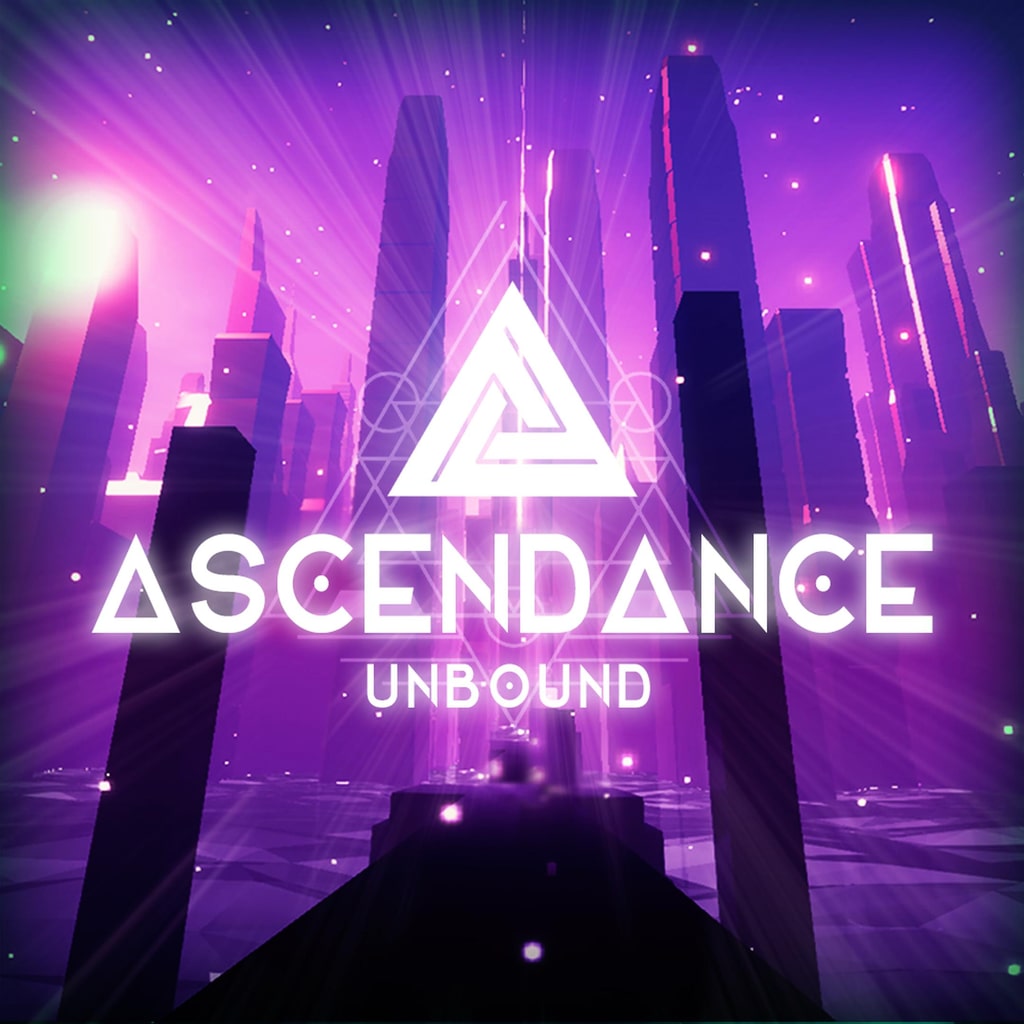
ASCENDANCE UNBOUND presents a world that is abstract rather than literal. Environments feel symbolic—spaces shaped by energy, collapse, and reconstruction rather than geography. The game avoids traditional fantasy or science fiction trappings, instead leaning into a more conceptual aesthetic where form follows function.
Visually, the game balances scale and minimalism. Large arenas are framed with bold silhouettes, shifting light, and environmental effects that reinforce a sense of instability. There is an underlying feeling that the world is in flux, responding dynamically to player action rather than existing as a static backdrop.
The tone is serious but not oppressive. While themes of struggle and transcendence run throughout, the game avoids overt narrative exposition. Storytelling is implied through visual design, enemy behaviour, and progression milestones rather than explicit cutscenes or dialogue. This restraint keeps the focus firmly on gameplay, but may leave narrative-focused players wanting more contextual grounding.
Core Gameplay and Combat Loop
At its core, ASCENDANCE UNBOUND is built around fast, deliberate combat that prioritises positioning, timing, and resource management. Encounters are designed to keep players moving, constantly reassessing threats and opportunities.
Controls are responsive and weighty, giving actions a sense of consequence without sacrificing fluidity. Attacks, dodges, and abilities flow together smoothly, encouraging aggressive play tempered by situational awareness. Standing still is rarely rewarded, and hesitation is often punished.
Enemy design reinforces this philosophy. Foes are varied not just in appearance, but in behaviour, forcing players to adjust tactics rather than rely on rote execution. Some enemies apply pressure through sheer aggression, while others manipulate space, restrict movement, or punish predictability.
Combat shines when multiple systems overlap—when ability cooldowns, environmental hazards, and enemy patterns converge into moments of controlled chaos. These encounters feel intense and rewarding, highlighting the game’s strongest design instincts.
Progression and the Meaning of Ascendancy
Progression in ASCENDANCE UNBOUND is central to its identity. Rather than linear upgrades, the game offers branching paths that alter how the player interacts with combat systems. New abilities often introduce trade-offs rather than straightforward improvements, forcing players to consider how power is applied rather than simply how much of it they possess.
This design creates a compelling tension. As players grow stronger, the game responds with escalating challenges that test whether those upgrades are truly understood. Power is contextual, not absolute. A build that dominates one scenario may struggle in another.
This dynamic keeps progression engaging, but it also introduces complexity that can feel daunting. The game does not always communicate the long-term implications of choices clearly, leading to occasional frustration when a build underperforms in later stages. While experimentation is encouraged, re-spec options may feel limited for players who prefer flexibility over commitment.
Pacing and Difficulty Curve
ASCENDANCE UNBOUND features a difficulty curve that is firm but mostly fair. Early stages establish core mechanics without excessive hand-holding, while later content demands precision and strategic planning.
The pacing of individual runs is well judged, with moments of intensity punctuated by brief opportunities to regroup and reassess. However, the overall arc can feel uneven. Certain difficulty spikes arrive abruptly, particularly when new mechanics are introduced alongside tougher enemy configurations.
Failure is treated as part of the learning process, but repetition can set in during extended sessions. While the core gameplay remains engaging, the game occasionally struggles to vary its challenges enough to keep repeated attempts feeling fresh.
Audio Design and Atmosphere
Sound design plays a crucial supporting role. Effects are sharp and readable, providing clear feedback during combat without overwhelming the senses. Audio cues for enemy attacks and ability activations are particularly effective, reinforcing the importance of situational awareness.
The soundtrack leans toward atmospheric and rhythmic compositions, building tension without demanding attention. Music often fades into the background during combat, allowing focus to remain on action, then resurfaces during quieter moments to reinforce mood.
While the audio design is cohesive, it rarely surprises. It does its job well, but does not significantly elevate the experience beyond functional immersion.
Technical Performance and Polish
From a technical standpoint, ASCENDANCE UNBOUND is largely stable. Performance holds up well during even the most demanding encounters, and responsiveness remains consistent. Visual clarity is generally strong, though certain effects-heavy moments can border on visual clutter.
Minor rough edges exist—occasional UI density issues, moments where system interactions are underexplained—but none are severe enough to undermine the core experience. The game feels confident in its foundations, even if some systems could benefit from refinement.
Final Verdict
ASCENDANCE UNBOUND is a demanding, systems-driven action game that values mastery over accessibility and commitment over convenience. Its greatest strength lies in how it frames power as something conditional—earned through understanding rather than accumulation.
While its layered progression and abstract presentation may not appeal to all players, those willing to invest the time will find a rewarding experience built around growth, adaptation, and momentum. It is not flawless, and its complexity occasionally works against it, but its ambition and mechanical integrity are undeniable.
This is a game that challenges players not just to play better, but to think more deliberately about how they play—and that focus gives ASCENDANCE UNBOUND a distinct and compelling identity.