Overview
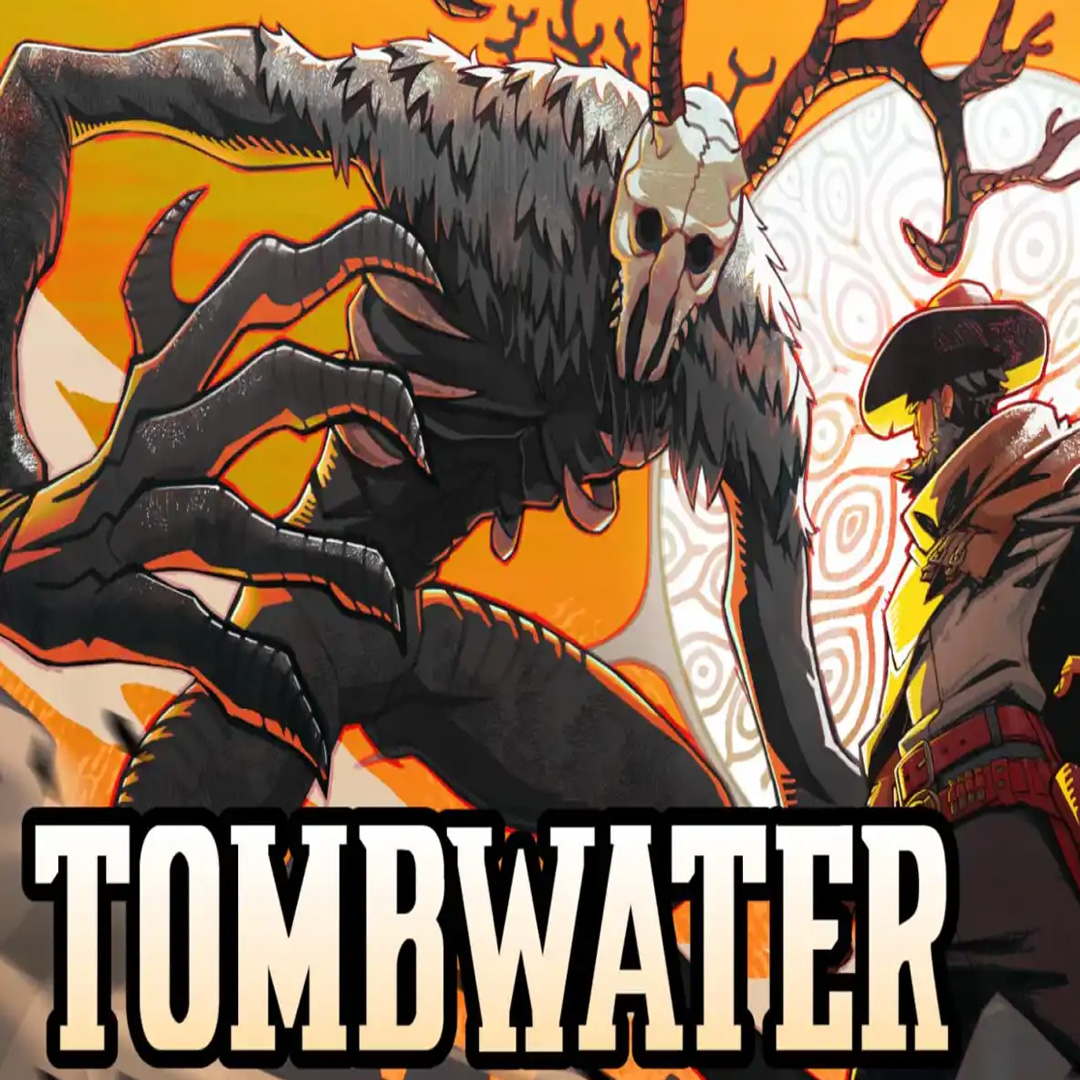
Tombwater is a survival-horror action-adventure that plunges players into a grim, flooded world filled with secrets, monsters, and environmental puzzles. Unlike many modern horror games that lean heavily on jump scares, Tombwater focuses on tension, exploration, and atmosphere, crafting a sense of dread through sound design, environmental storytelling, and scarcity of resources.
Set in a post-cataclysmic world where rising waters have submerged entire cities, the player assumes the role of Eli Voss, a salvage diver and explorer searching for remnants of civilization and the mysterious source of the global flood. The game expertly balances horror and adventure, encouraging slow, deliberate exploration while keeping the player constantly aware that danger can strike at any moment.
Story & Setting
The narrative is minimalist but effective. Tombwater tells its story through environmental cues, scattered journals, and cryptic audio logs. Eli’s backstory is gradually revealed as you traverse ruined coastal cities, abandoned research facilities, and submerged towns, piecing together what caused the flooding and the horrifying creatures that now inhabit these watery tombs.
The setting is one of the game’s most impressive achievements. Part urban decay, part drowned landscape, Tombwater paints a world that feels both realistic and unnervingly alien. Buildings partially submerged, skeletal ships drifting in canals, and eerie fog-filled docks all contribute to a persistent feeling of isolation. Atmospheric lighting, dynamic weather effects, and reflective water surfaces enhance immersion, making even brief exploration tense and visually striking.
The story’s focus on exploration and environmental discovery gives the game a sense of quiet dread. There’s little reliance on cutscenes, and most narrative beats emerge organically as you uncover the remnants of human habitation and the consequences of humanity’s hubris.
Gameplay: Exploration, Combat, and Survival
The core gameplay of Tombwater is built around three pillars: exploration, survival, and light combat.
Exploration
Exploration is deeply rewarding and often perilous. Players navigate submerged buildings, tight corridors, and crumbling infrastructure using a combination of climbing, swimming, and environmental traversal. Hidden passages, secret rooms, and collectible logs encourage careful observation, while water currents and environmental hazards keep exploration tense.
Survival Mechanics
Tombwater incorporates survival mechanics that heighten tension without becoming tedious. Oxygen management, resource gathering, and crafting are central to the gameplay loop. Players must maintain Eli’s stamina and oxygen supply while scavenging for batteries, medical kits, and crafting materials. Scarcity forces thoughtful planning, ensuring that every dive, every move, and every engagement with enemies carries weight.
Combat
Combat is strategic rather than reflex-driven. The game favors resourceful engagement over button-mashing: players can use firearms, melee tools, and environmental hazards to dispatch creatures. Enemies are often unpredictable, lurking in waterlogged ruins or appearing suddenly from submerged spaces. Their design—amorphous, semi-aquatic, and grotesque—creates a constant sense of unease. While combat is tense, Tombwater deliberately avoids overloading players with encounters, making each fight significant and memorable.
Puzzles
Environmental puzzles are integrated seamlessly into exploration. Players must manipulate valves, redirect water flows, and unlock sealed areas, often under pressure from environmental hazards or stalking enemies. These puzzles reinforce the survival aspect and encourage creative problem-solving rather than brute force.
Visuals & Audio
Graphically, Tombwater is impressive. Submerged cityscapes, murky canals, and crumbling architecture create a realistic and immersive setting. Dynamic lighting and volumetric fog enhance the mood, while water physics—ripples, reflections, and currents—feel tactile and alive. The visuals combine realism with a surreal, oppressive tone that constantly reminds players of the world’s danger.
Audio design is equally compelling. Subtle creaks, distant splashes, and echoing drips heighten tension, while the eerie ambient soundtrack underscores the horror of isolation. Enemy sounds—chittering, splashing, and gurgling—alert players while adding to the oppressive atmosphere. Voice work for logs and audio diaries is understated, enhancing immersion without breaking the tension.
Strengths & Weaknesses
Strengths:
- Atmospheric, visually striking submerged world with strong environmental storytelling
- Tense, strategic combat that rewards caution and planning
- Engaging puzzles integrated naturally into exploration
- Survival mechanics that add tension without becoming cumbersome
- Minimalist narrative that rewards observation and curiosity
Weaknesses:
- Narrative may feel sparse for players seeking traditional storytelling
- Occasional backtracking through flooded areas can disrupt pacing
- Combat, while tense, can feel repetitive during extended exploration
- Some environmental hazards may be unintuitive, requiring trial-and-error
Final Thoughts & Score
Tombwater is a survival-horror experience that prioritizes atmosphere, tension, and exploration over cheap scares. Its flooded world is immersive, its environmental storytelling rich, and its survival and combat mechanics provide meaningful stakes. The game excels at making players feel small, vulnerable, and constantly on edge—exactly what a horror adventure should do.
While the narrative is subtle and some mechanics may feel punishing at times, the overall experience is satisfying, rewarding, and memorable. For fans of atmospheric survival horror, creative environmental puzzles, and tense exploration, Tombwater is a standout addition to the genre.