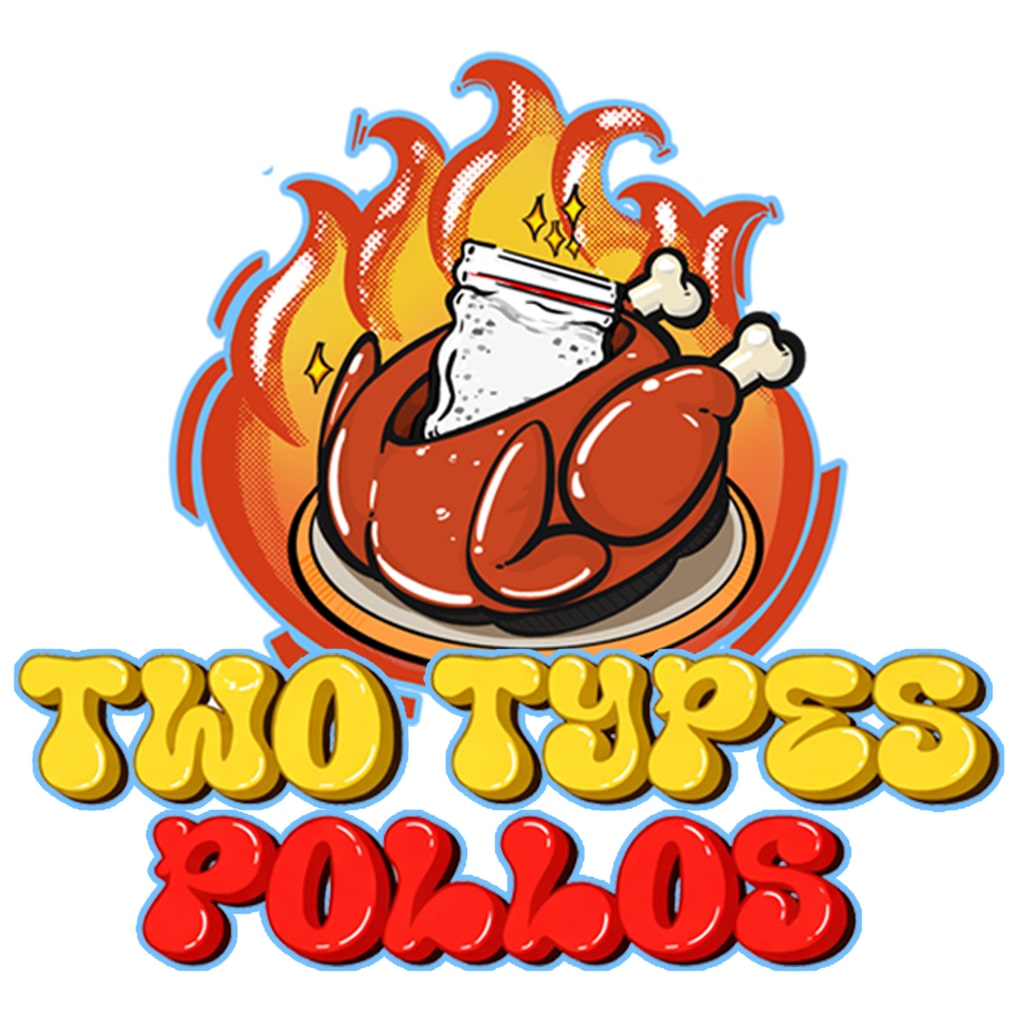
Simulation games have become masters at turning everyday jobs into compelling entertainment. Whether running supermarkets, cafés, petrol stations, or restaurants, the genre has found endless ways to turn ordinary work into satisfying gameplay loops. Two Types Pollos enters that crowded kitchen with a concept that immediately sets it apart from the competition. On the surface, it is a business-management game about serving fried chicken to hungry customers. Beneath that surface lies something far stranger and far more stressful.
You play as a struggling entrepreneur whose survival depends on receiving a rare medicine. The catch is that this medicine can only be obtained by fulfilling orders for a mysterious underground network. Every day becomes a balancing act between running a successful chicken restaurant and producing the “sugar” that keeps your suppliers satisfied. Failure is not measured by profits alone. If deliveries are missed, your medicine disappears, and your story comes to an abrupt end.
It is a dark premise, yet the game approaches it with a tongue firmly in its cheek. There is an absurdity to the entire situation that keeps things entertaining even as the pressure begins to mount. The result feels like a bizarre blend of restaurant simulator, survival game, and crime comedy, creating a unique identity that is difficult to compare directly with anything else currently available.
Running the Perfect Chicken Shop
The front-facing side of the business provides much of the game’s early appeal. Customers arrive expecting hot food, quick service, and a clean environment. Managing these expectations is your primary responsibility during opening hours.
Cooking involves juggling ingredients, monitoring cooking stations, and ensuring orders leave the kitchen before impatient customers lose their temper. Tables need cleaning, stock needs replenishing, and the restaurant itself becomes more demanding as customer numbers rise. Like many successful management games, there is a satisfying rhythm to these tasks. Once everything starts clicking into place, serving a long line of customers feels genuinely rewarding.
The progression system helps maintain momentum. Money earned from legitimate business can be reinvested in improvements to the restaurant. New furniture, decorative items, and upgrades gradually transform a modest chicken shop into a thriving local hotspot. Watching your establishment evolve from a humble takeaway into a polished business provides a strong sense of ownership that keeps you invested. The restaurant side alone would make for a competent management simulator. Thankfully, it is only half the story.
Life Behind the Counter
The real hook of Two Types Pollos emerges once the secret side of the operation demands attention. Hidden away from customers and authorities alike is your private production area. Here, the stakes become significantly higher.
Unlike restaurant customers, who simply leave disappointed if you make mistakes, your suppliers are far less forgiving. Orders arrive with strict deadlines, forcing you to split your attention between the front and back ends of your business. While customers demand fresh chicken, your hidden operation requires resources, preparation, and careful management of production schedules.
The brilliance of the design lies in how these two systems constantly compete for your attention. Just as a rush of customers arrives, an important shipment might need preparing. While you are busy dealing with production requirements, tables begin to pile up with rubbish and customer satisfaction starts to drop. Every decision feels important because both sides of the business directly impact your survival.
This creates a tension that many management games struggle to achieve. Even during quiet moments, something is always demanding your attention. The pressure never fully disappears, which keeps every session engaging.
Chaos Makes Everything Better
Although Two Types Pollos works perfectly well as a solo experience, it truly comes alive when played cooperatively. Adding another player transforms the entire dynamic.
Suddenly, responsibilities can be divided. One player can focus on customer service while the other handles production and deliveries. Communication becomes critical as both sides of the operation influence each other. A delayed shipment can create panic just as easily as a wave of dissatisfied customers.
The cooperative experience often feels less like a traditional simulator and more like an emergency-response exercise. Players constantly shout instructions, react to unexpected problems, and scramble to keep everything running. The chaos frequently produces hilarious moments that feel completely unscripted.
Much like the best co-op management games, success feels genuinely earned because it requires teamwork rather than individual efficiency. Friends looking for a frantic multiplayer experience will find plenty to enjoy here.
Style Over Realism
Visually, Two Types Pollos adopts a colourful, approachable presentation that helps offset its darker themes. The environments are bright and inviting, deliberately contrasting with the grim realities lurking behind the restaurant’s walls.
Character animations are expressive enough to lend personality to everyday interactions, while the various restaurant upgrades provide a satisfying visual sense of progression. The game does not chase realism, nor does it need to. Its stylised presentation fits perfectly with the premise’s exaggerated nature.
The audio design also deserves recognition. Kitchen sounds, customer chatter, and the constant background noise of a busy restaurant all contribute to the atmosphere. The soundtrack remains energetic without becoming distracting, helping sustain the fast-paced rhythm of daily operations.
Most importantly, the overall presentation understands exactly what kind of game it wants to be. It never takes itself too seriously, and that confidence helps sell the experience.
Pressure Can Become Repetition
Despite its strengths, Two Types Pollos is not immune to fatigue. The same systems that create tension can occasionally feel repetitive during longer play sessions.
The daily routine rarely changes dramatically. Customers arrive, food is cooked, deliveries are prepared, and deadlines loom overhead. While upgrades and progression add variety, the core loop remains largely consistent from beginning to end. Players hoping for dramatic mechanical evolution may find themselves wishing for a few more surprises later in the campaign.
Solo play can also become overwhelming. Managing every aspect of the business alone demands constant attention, and some difficulty spikes can feel more frustrating than challenging. When multiple problems occur simultaneously, success often comes down to trial and error rather than strategic decision-making. These issues never derail the experience entirely, but they become more noticeable the longer you play.
Final Verdict
Two Types Pollos succeeds because it understands the value of pressure. Many management games ask players to optimise efficiency, but few make that efficiency feel genuinely tied to survival. Every customer served, every shipment completed, and every upgrade purchased contributes to a constant balancing act that remains engaging for hours.
Its blend of restaurant management and secret operations creates a gameplay loop that feels fresh despite drawing on familiar simulation mechanics. The cooperative mode elevates the experience even further, transforming ordinary business tasks into frantic moments of teamwork and comedy.
While some repetition eventually creeps in and solo players may occasionally feel overwhelmed, those shortcomings do little to diminish what is ultimately a clever and highly entertaining simulator. Two Types Pollos takes an absurd premise and turns it into one of the more memorable management games in recent years.