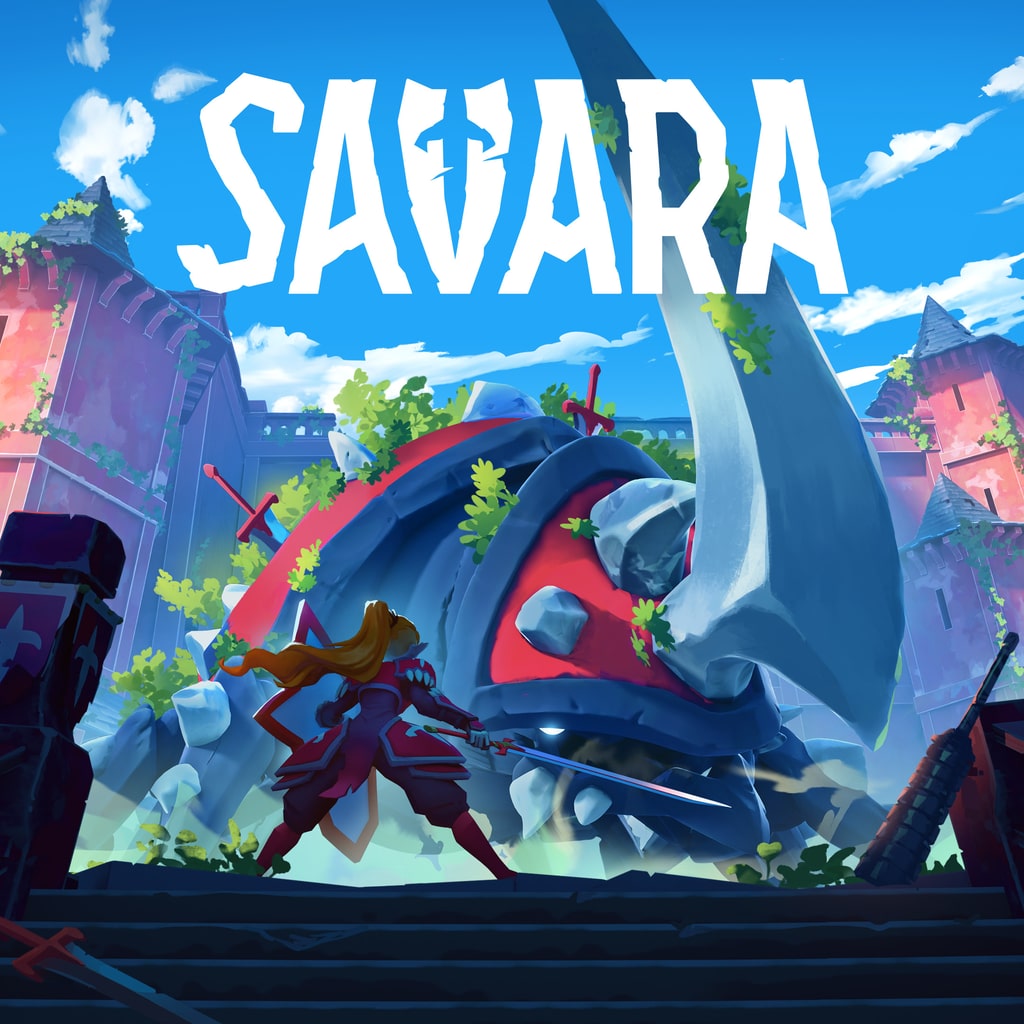
Savara is a vibrant, fast-paced isometric action roguelite developed by the rising independent studio Doryah Games and published by Ankama Games. Following a successful initial PC debut on Steam last year, the definitive version of the game officially expanded to current-gen consoles yesterday, on May 21, 2026, for PlayStation 5 and Xbox Series X/S.
There is a certain confidence in Savara that becomes apparent almost immediately. It does not spend hours introducing systems or drowning players in exposition. Instead, it throws you into its vibrant fantasy world, places a weapon in your hands, and poses a simple question: how far can you push yourself against the gods?
Set in a colourful, lively fantasy dimension, players are thrust into a massive, violent festival organised for the amusement of Iop, the mythical god of combat. These grand celebrations are far from a friendly tournament; they are a gruelling survival gauntlet designed to test the multiverse’s most valiant fighters. Taking control of Savara, Iop’s newest aspiring champion, you must hack, slash, and strategically manoeuvre your way through waves of brutal monsters to earn permanent upgrades and divine favour.
Built around roguelite progression and fast-paced action combat, Savara sits comfortably alongside the growing crowd of arena battlers and run-based adventures that have flooded the genre in recent years. Yet while it borrows familiar ideas, it carries enough personality to avoid feeling disposable. Its myth-inspired setting, colourful presentation, and emphasis on adapting builds during runs give it an identity of its own. It is not flawless. Repetition creeps in, progression occasionally slows, and some systems feel lighter than they first appear. Even so, Savara remains an entertaining journey that succeeds more often than it stumbles.
Gameplay
At its heart, Savara is a combat-driven roguelite built around repeated runs, escalating difficulty, and gradual mastery. Each attempt sends you through a series of encounters where enemies, environmental hazards, and bosses steadily test your build and reflexes. Defeat opens new opportunities. Failure advances progression through unlocks and upgrades. It is a familiar loop, but one that still works because Savara understands pacing.
Combat feels immediate and responsive. Weapons deliver satisfying impact, and movement remains fluid enough to keep battles energetic without descending into chaos. Dodges are quick, attacks land cleanly, and abilities introduce enough variety to prevent encounters from becoming simple button-mashing exercises. The real hook lies in build experimentation.
As runs progress, players acquire blessings, modifiers, and passive upgrades that shape each attempt in different directions. One run may favour aggressive melee damage and risk-taking. Another may lean into defensive layers and elemental effects. Discovering combinations and adapting strategies becomes the main reason to keep returning. The system does not reach the depth of genre leaders like Hades, but it still creates enough variation to maintain momentum.
Boss encounters deserve particular praise. These fights frequently act as skill checks that force players to fully engage with movement, timing, and build choices. They are visually striking and mechanically demanding without feeling unfair. Victory feels earned.
World and Presentation
Visually, Savara makes a strong first impression. The world bursts with colour, drawing heavily on mythological influences while maintaining a playful fantasy identity. Character designs are expressive, environments are richly detailed, and enemy variety helps keep visual fatigue at bay.
Parts of the presentation have a painterly quality that gives the game warmth. It avoids the darker aesthetic trends dominating many action roguelites and instead embraces brighter palettes and more inviting environments. That lighter tone works in its favour. The contrast between the welcoming art direction and the demanding combat creates an appealing rhythm. You are constantly challenged, but the world never feels oppressive.
Effects work is another highlight. Explosions, magical abilities, and status effects fill arenas with colour without compromising readability. In a genre where visual clutter can quickly become a problem, Savara generally keeps combat clear. Performance remains stable throughout as well, which is essential for a game built around precision and quick reactions.
Audio
The soundtrack complements the world beautifully. The music leans into tribal rhythms, mystical undertones, and energetic battle themes that reinforce the mythological atmosphere. Tracks are not necessarily memorable in isolation, but they work exceptionally well within the moment-to-moment action.
Combat audio also carries satisfying weight. Weapons strike with impact, abilities crackle with energy, and enemy attacks remain distinct enough to support gameplay readability. The overall sound design feels cohesive rather than flashy. Nothing screams for attention, but everything supports the experience.
Progression and Replayability
Roguelites live or die by replay value, and Savara delivers enough progression hooks to keep players engaged. Unlock systems gradually expand possibilities, introducing new options and encouraging experimentation across repeated attempts. The sense of growth arrives steadily, even when individual runs end in failure.
That said, this is also where some cracks begin to show. Enemy encounters eventually become familiar, and biome variety feels thinner than expected. After extended sessions, the structure becomes clearer, and repetition becomes harder to ignore. The progression loop remains enjoyable because build combinations still create variety, but there are moments when additional enemy types, events, or environmental surprises would have significantly elevated the experience. Runs remain fun. They simply become more predictable over time.
Challenge and Balance
Savara walks an interesting line with difficulty. It is accessible enough for newcomers yet demanding enough to satisfy players who enjoy learning systems and refining builds. Combat demands attention without becoming brutally punishing.
Difficulty spikes occasionally appear around certain bosses or upgrade combinations, but the overall balance remains solid. Importantly, the game respects player time. Runs move quickly. Unlocks arrive at reasonable intervals. Failure rarely feels wasted because progression continues. That sense of momentum matters enormously in a roguelite. Few things kill enthusiasm faster than stagnation, and Savara generally avoids it.
Where It Falls Short
The biggest obstacle to Savara reaching greater heights is depth. Its systems are enjoyable, but some feel like early sketches rather than fully realised ideas. Build crafting offers flexibility yet lacks the wild unpredictability found in genre standouts. Environmental variety occasionally feels limited. Narrative elements remain present but rarely leave a lasting impression. None of these issues ruins the experience.
Instead, they create the feeling that Savara sits just below its full potential. There are glimpses throughout of something exceptional waiting beneath the surface. Whether future updates expand that vision remains to be seen.
Final Verdict
Savara succeeds because it understands what makes action roguelites satisfying. Combat feels responsive, progression remains engaging, and the colourful, myth-inspired world gives the experience genuine personality.
While it doesn’t reinvent the genre and sometimes falls into repetition, its strengths outweigh these flaws. The work exudes warmth and energy, with enough experimentation to maintain interest well past the initial plays. More importantly, it feels genuine. Savara isn’t merely following trends but carving out its own space within them. That significance shouldn’t be overlooked.