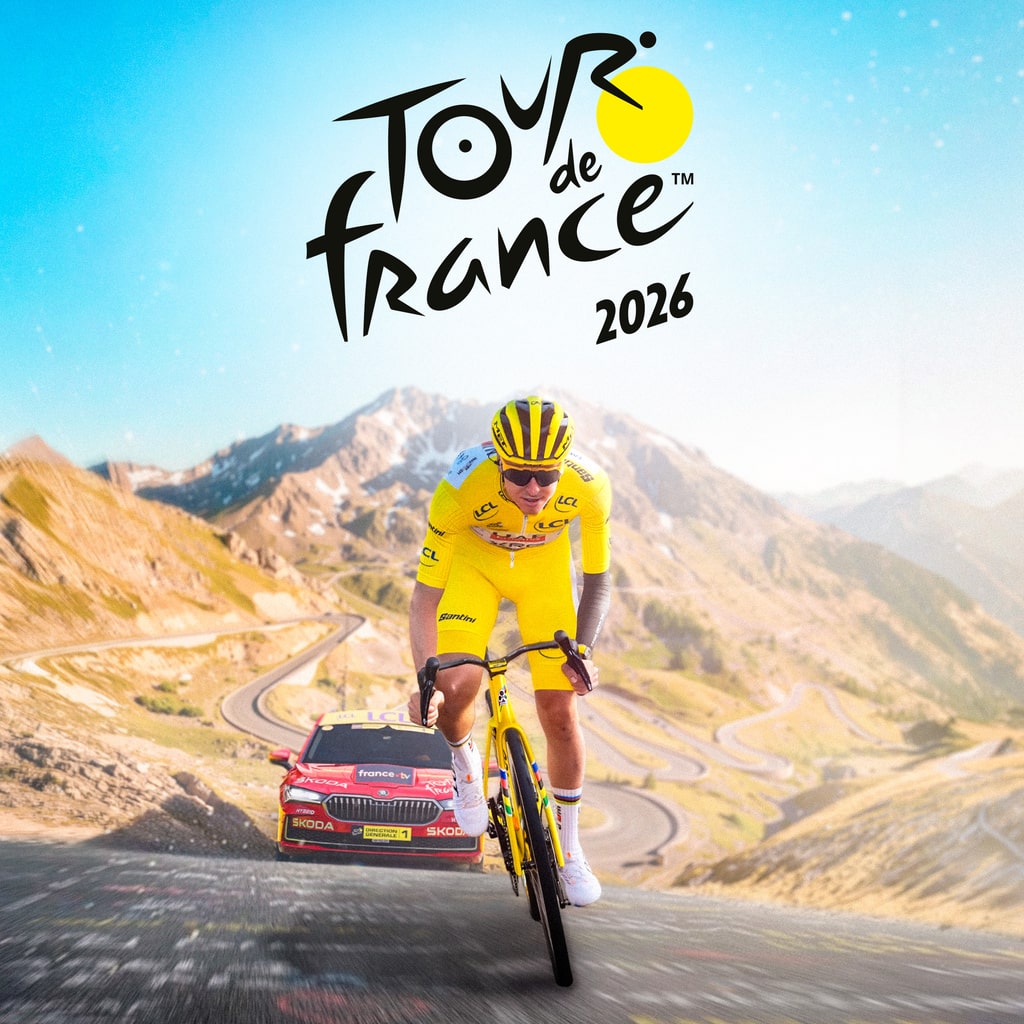
Tour de France 2026 is the upcoming official annual cycling simulation game, developed by veteran studio Cyanide Studio and published by Nacon. Making a massive technical leap by transitioning to Unreal Engine 5, the title is officially scheduled to cross the finish line on June 4, 2026, for PlayStation 5, Xbox Series X/S, and PC.
Sports games often live and die by annual reinvention. Bigger modes, louder presentation, and endless feature lists dominate marketing campaigns every year. Cycling has always existed in a different lane. It is a sport built on patience, rhythm, endurance, and tactical precision. Success is not measured in explosive highlights every few seconds. It is found in conserving energy over hundreds of kilometres, timing an attack perfectly, or surviving one brutal mountain ascent that breaks everyone else. That philosophy has always defined the Tour de France series, and from everything shown so far, Tour de France 2026 looks ready to continue that approach while pushing the finer details further than before.
The latest entry brings players back into the world’s most prestigious cycling competition with official teams, riders, and routes. Early previews suggest this is not a dramatic reinvention of the formula, but rather a focused refinement of almost every moving part. Artificial intelligence appears more dynamic, environmental conditions seem more meaningful, and career progression looks deeper and more personal. For a series built on authenticity rather than flash, that feels like exactly the right direction.
Gameplay & Race Strategy
Cycling is one of the few sports where victory often depends on what you choose not to do. Holding back matters. Conserving stamina matters. Staying hidden within the peloton matters. That layered strategy has always been the beating heart of Tour de France, and Tour de France 2026 appears determined to expand it.
Preview information points toward smarter race AI that reacts more naturally to the unfolding flow of events. Breakaways no longer appear to follow predictable patterns, and rival teams seem more willing to adapt their tactics based on stage conditions and rider performance. This could dramatically change the feel of races.
Previous entries occasionally became routine once players discovered optimal strategies. Certain attacks felt inevitable and rival responses sometimes lacked urgency. More adaptive behaviour could inject unpredictability back into the experience. That uncertainty is essential because real cycling is chaotic beneath its calm surface. A rider cracks unexpectedly. Weather changes everything. One poorly timed push can destroy an entire race plan. The possibility that races may evolve differently each time gives Tour de France 2026 genuine potential.
Career Mode & Team Development
Career mode appears to be receiving meaningful attention this year, which is encouraging because it remains the soul of the series. Professional cycling is about more than winning stages. Teams are living organisations. Riders develop, morale shifts, budgets tighten, and careers rise or fall over time. The strongest memories often come not from winning immediately but from nurturing talent and building something slowly. Early details suggest Tour de France 2026 leans further into that philosophy.
Managing rider workloads, balancing seasonal objectives, scouting future talent, and developing younger cyclists appear more important than before. Teams begin to feel less like collections of statistics and more like long term projects. That emotional investment matters. Watching an unknown rider slowly become a contender across several seasons creates stories unique to sports games. The veteran chasing one final victory. The support rider unexpectedly stepping into the spotlight. The young climber finally reaching their potential. Cycling thrives on those narratives, and the preview material suggests Cyanide understands this.
Visual Presentation
Cycling games face a challenge few sports titles share. Football games need stadiums. Racing games need circuits. Tour de France needs entire regions. The world itself becomes part of the spectacle. From mountain passes and forests to villages, rivers, and open countryside, every stage depends on environmental variety. Fortunately, Tour de France 2026 appears noticeably stronger visually.
Landscape detail looks richer, lighting feels more natural, and mountain stages particularly stand out. Long climbs winding through dramatic scenery finally capture more of the grandeur that defines the real race.
Crowds also seem more animated and present. While cycling games will probably never replicate the sheer scale of spectators lining real Tour stages, there is more atmosphere visible this time around.
Rider models still show occasional roughness during close camera angles, particularly facial detail, but overall presentation appears cleaner and more cohesive. Most importantly, the world no longer feels static. It feels lived in.
Weather, Terrain & Immersion
One of the more exciting aspects of the preview concerns environmental influence. Cycling is shaped by weather more than most sports. Rain changes confidence. Wind alters tactics. Mountain conditions can transform entire stages. Tour de France 2026 appears to place greater emphasis on these factors.
Wet roads reportedly affect handling during descents. Crosswinds influence peloton positioning more aggressively. Terrain transitions feel more meaningful and impactful. These additions may sound minor, but they could fundamentally improve immersion. The most memorable cycling moments often emerge from external factors. A split caused by wind exposure. A risky descent in poor weather. A rider losing time simply because conditions changed. If these systems meaningfully affect strategy instead of remaining visual effects, races could feel far more authentic.
Audio & Atmosphere
Cycling games rarely receive praise for sound design, but atmosphere matters more here than many realise. The hum of wheels, distant crowd noise, commentary rising during an attack, and the quiet ambience of long mountain stretches all contribute to immersion. Early footage suggests subtle but welcome improvements.
Crowd presence feels fuller. Environmental ambience has more depth. Race presentation carries greater energy without becoming overwhelming. The restrained musical direction remains a smart choice as well. Cycling is not a constant adrenaline rush. It breathes differently from other sports. There are long periods of tension, patience, and silence before decisive moments arrive. The preview build seems to respect that rhythm.
Accessibility & New Player Experience
Cycling can appear intimidating to newcomers. Terms like drafting, breakaways, domestiques, and energy conservation create barriers that many sports games simply do not have. Fortunately, Tour de France 2026 looks aware of that challenge.
Improved onboarding systems, clearer tutorials, and cleaner interfaces should help newer players understand the sport without stripping away its complexity. That balance is crucial. The series cannot grow if it feels inaccessible, but simplifying cycling too much would erase what makes it special. So far, the signs suggest Cyanide is handling that balance carefully.
Final Thoughts
Tour de France 2026 may not be the loudest sports game of the year, but it never needed to be. Its appeal lies elsewhere. In endurance. In planning. In surviving climbs that feel impossible. In timing one perfect move after hours of patience. The preview material suggests a game that understands exactly why cycling fans keep returning year after year. Nothing here feels desperate for reinvention. Instead, Tour de France 2026 appears focused on refinement, atmosphere, and authenticity. Sometimes that is enough.
If the tactical improvements, environmental systems, and deeper career progression deliver on their promise, this could quietly become one of the strongest entries the series has seen.