Monopoly has always been a strange kind of social battleground. On paper, it is a game about property ownership and economics. In reality, it is about alliances, revenge, negotiations, and the slow collapse of trust around a table. It has ended family game nights, tested friendships, and created stories people still laugh about years later. Now, Star Wars is stepping into that chaos.
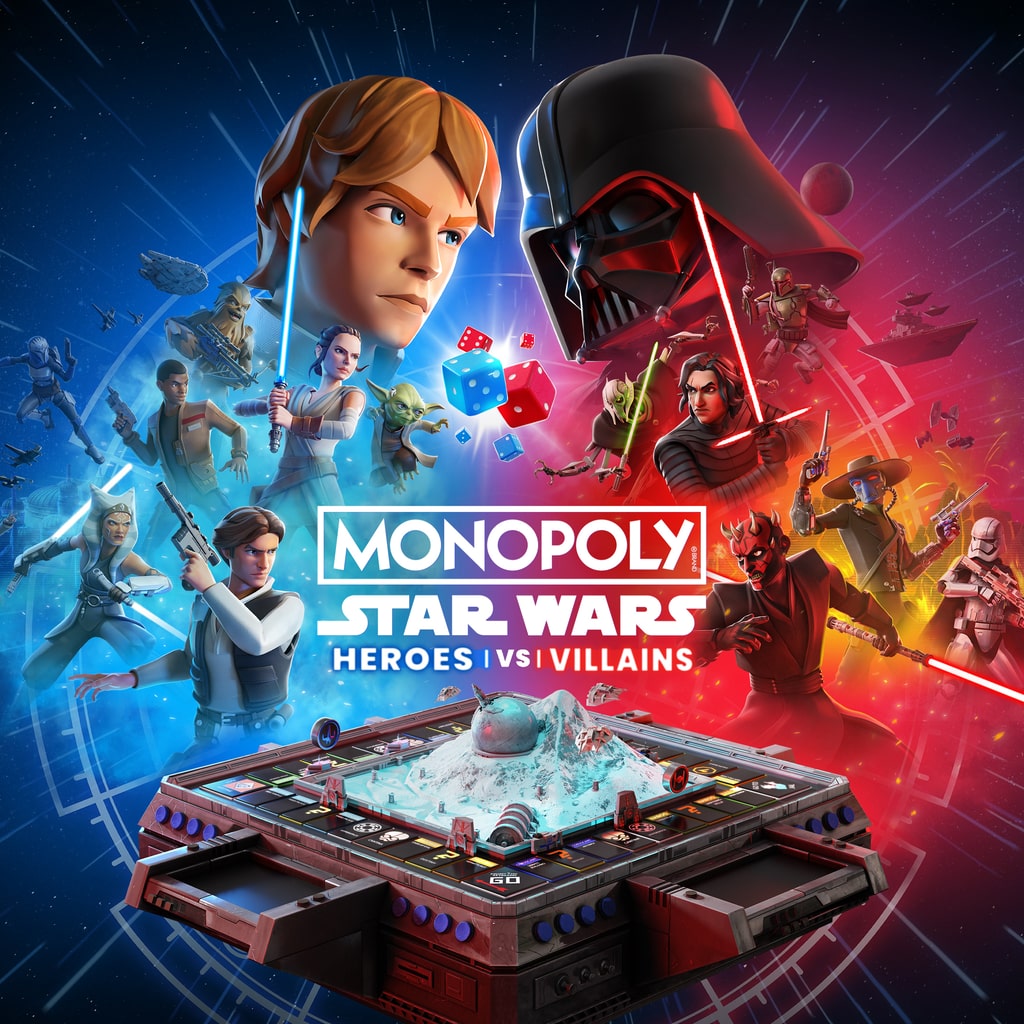
Monopoly: Star Wars Heroes vs. Villains takes the familiar framework of the classic board game and rebuilds it around the endless struggle between the forces of light and dark. Rather than functioning as a simple reskin with themed boards and collectible tokens, the project appears to introduce faction systems, character abilities, animated environments, and scenario-driven events inspired by the wider Star Wars universe.
At first glance, it sounds unusual. After spending time with the early details, though, it begins to make perfect sense. Star Wars has always been about conflict, shifting loyalties, impossible gambles, and dramatic reversals. Monopoly thrives on exactly the same energy.
Heroes Versus Villains
The central feature distinguishing this adaptation from previous digital Monopoly games is the faction system. Players align with either the galaxy’s heroic defenders or its most infamous villains, shaping not only their cosmetic identity but also seemingly influencing gameplay itself. Heroes appear to focus on cooperation, defence, and economic stability, while villain-aligned players lean into disruption, sabotage, and aggressive control. This immediately adds personality to matches.
Traditional Monopoly often turns every player into the same kind of opportunist by the end. Heroes vs. Villains seems interested in preserving distinct playstyles throughout the experience. Choosing your side is not simply selecting a favourite character. It becomes a statement about how you intend to play. Will you protect alliances and play strategically, or embrace the chaos and squeeze every credit from your rivals? It is a smart idea because it gives every session narrative flavour before the dice even start rolling.
Presentation and Board Design
Visually, the project appears determined to move beyond a static tabletop adaptation. Classic Monopoly boards are being transformed into living Star Wars spaces filled with animated scenery, environmental effects, and references drawn from across the franchise. Rather than flat property spaces, locations resemble miniature worlds with moving ships, bustling settlements, and reactive elements. The variety also looks impressive.
Early footage hints at environments inspired by multiple Star Wars eras, potentially allowing classic trilogy worlds to sit alongside newer locations and characters. That broad approach matters because Star Wars fandom spans generations. Some players arrive through Luke Skywalker and Darth Vader. Others entered through animation, streaming series, or newer films. The game seems eager to celebrate all of it.
Presentation extends beyond the boards as well. Character animations accompany victories and events, while visual effects transform otherwise simple actions into more theatrical moments. Dice rolls, purchases, and property interactions all appear more animated and expressive than in previous Monopoly adaptations. The goal seems clear: make every turn feel like part of a Star Wars story.
Gameplay Evolution
The biggest challenge facing any Monopoly adaptation is knowing how far to push innovation without losing what people recognise. Heroes vs. Villains appears to be walking that line carefully. The familiar foundations remain intact. Players still move around the board, acquire territory, collect income, and attempt to outlast opponents financially. However, faction abilities and event mechanics promise to shake up the traditional flow.
Hero abilities appear focused on support, defensive tools, and recovery options. Villain mechanics look more disruptive, potentially introducing economic pressure, sabotage opportunities, or board manipulation. If balanced correctly, this could solve one of Monopoly’s longest-standing issues.
Classic matches often slow dramatically once ownership patterns settle. Dynamic powers and events could keep momentum alive much longer, preventing late-game stagnation.
There is also tremendous thematic potential here. Traditional event cards could evolve into Star Wars encounters featuring smugglers, bounty hunters, Imperial interference, Rebel activity, or underworld deals. The framework already exists. Star Wars simply gives it new life.
Character Appeal
One area where the game could truly shine is its character roster. Star Wars has decades of heroes, villains, rogues, and fan favourites to draw on. The reveal material suggests characters are treated as more than cosmetic avatars. Animations, faction effects, and visual identity all centre on the characters players choose. That opens enormous possibilities.
Future updates could introduce era-themed content, seasonal boards, additional characters, or expansion events focused on specific corners of the universe. Clone Wars content, bounty-hunter-focused seasons, Mandalorian expansions, or original trilogy celebrations all feel like natural fits. Few franchises possess this level of character depth. If Ubisoft supports the game properly, the long-term potential feels enormous.
Multiplayer Potential
Multiplayer is where this project lives or dies. Monopoly already creates memorable moments naturally. Last-minute recoveries, impossible trades, sudden collapses, and shocking betrayals happen in almost every session. Star Wars simply adds flavour and identity to those moments.
Imagine a player embracing a Sith role and deliberately waging economic warfare across the board. Picture someone playing as a heroic strategist while quietly building an empire behind the scenes. The storytelling potential practically writes itself.
Digital support also creates opportunities unavailable to physical versions. Faster match variants, custom rules, ranked play, rotating events, and online progression systems could all help sustain longevity. That flexibility is important because digital Monopoly adaptations sometimes struggle with pacing. Additional formats may help broaden the appeal.
Audio and Atmosphere
Audio could become one of the game’s secret weapons. Star Wars has one of entertainment’s most recognisable sonic identities. Even subtle musical cues or environmental effects would dramatically elevate the experience.
Landing on a major property while hearing familiar orchestral motifs would instantly transform a routine moment into something more memorable. Character themes, ambient effects, and faction sounds all have the potential to add enormous personality. Monopoly needs atmosphere. Star Wars has more than enough to spare.
Early Verdict
Monopoly: Star Wars Heroes vs. Villains sounds unusual on paper, but as more details emerge, the pairing feels increasingly natural. Rather than settling for a simple licensed board conversion, Ubisoft appears to be building around faction identity, character expression, and the chaotic energy shared by both franchises. The Heroes versus Villains concept feels genuinely interesting, while the animated presentation and gameplay additions suggest a project aiming for more than nostalgia.
Important questions remain about pacing, balance, and how deeply the faction systems affect matches. Still, the foundation looks promising. Monopoly has always been about dramatic swings and broken alliances. Star Wars thrives on those ideas. Combining them may create absolute chaos. That is probably exactly the point.