Tower defence games have always relied on strategy, planning, and predicting enemy movements. But when you bring that concept into virtual reality, the experience becomes entirely different. Instead of just watching the battlefield, players can physically lean over it, examine defences closely, and even immerse themselves in the action.
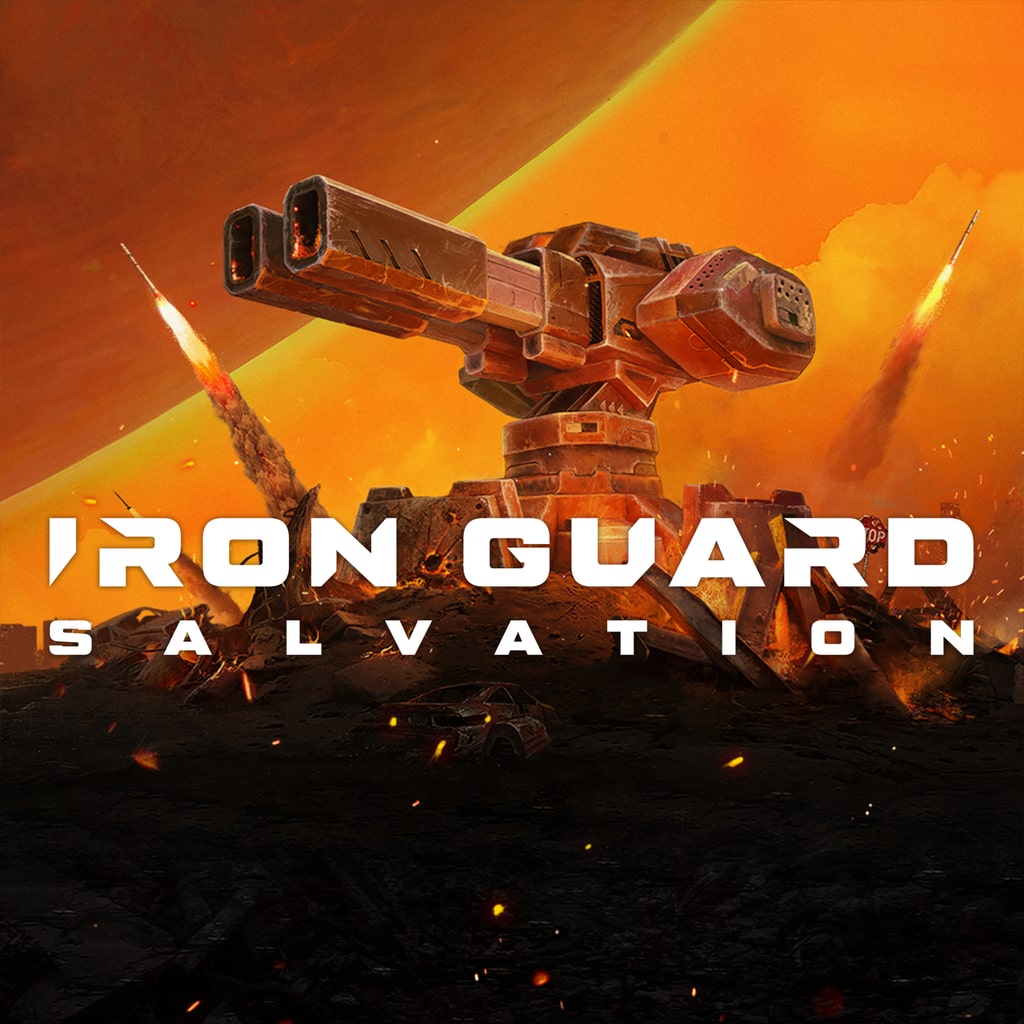
IRON GUARD: Salvation, developed and published by Xlab Digital, takes that concept further than its 2021 predecessor. What started as a tower defence game on a single planet has now expanded into a solar-system-wide conflict against the sentient planet Acris and its unrelenting robotic armies.
After earlier releases on Meta Quest and PC VR, the game launches today on PlayStation VR2, bringing its unique mix of strategic planning and arcade-style shooting to Sony’s latest virtual reality hardware.
The result is a compelling combination that fuses the mental satisfaction of strategy games with the adrenaline of first-person combat.
Strategy Meets Action
At its core, IRON GUARD: Salvation remains a tower defence game.
Players must defend vital facilities from waves of hostile terraforming robots by constructing and upgrading defensive structures. The game offers over 25 types of turrets, each designed to counter specific enemy behaviours.
Some turrets excel at dealing with fast-moving drones, while others specialise in heavy artillery capable of destroying armoured units.
However, unlike traditional tower defence games where players remain passive observers, IRON GUARD: Salvation places you directly on the battlefield.
You control a handheld combat drone, allowing you to manually shoot enemies and assist your automated defences.
This creates a dynamic gameplay loop where strategy and action constantly interact.
When your defences begin to struggle, jumping into drone combat can provide the extra firepower needed to hold the line.
A True Hybrid Experience
The game’s greatest strength is its hybrid design.
Players can command the battlefield from a strategic “god-view” perspective, carefully positioning turrets and managing resources. Alternatively, they can shrink down into the action, experiencing the battlefield at ground level as enormous machines clash around them.
This versatility keeps the gameplay engaging throughout the campaign.
Strategic moments promote careful planning and resource management, while combat segments deliver bursts of intense action.
Switching seamlessly between these perspectives feels natural in VR, creating a sense of scale that traditional tower defence games simply cannot achieve.
Resource Management and Expansion
Victory in IRON GUARD: Salvation relies on more than just building turrets.
Players must carefully oversee resources such as minerals, factories, and harvesters. These facilities generate the materials needed to construct new defences and improve existing ones.
Safeguarding these structures becomes essential during later missions, as enemy forces frequently target them directly.
If harvesters are destroyed, resource production decreases significantly, making it harder to sustain a strong defence.
Balancing expansion with protection introduces an important strategic element to each mission.
Heroes on the Battlefield
The sequel introduces hero units, granting players access to three distinctive characters: Graves, Irina, and Doc Mitchell.
Each hero has specialised abilities that can significantly influence battles.
Some skills focus on direct combat, enabling heroes to deliver devastating attacks against enemy waves. Others offer support functions such as defensive buffs or temporary enhancements for nearby turrets.
These abilities operate on cooldowns, encouraging players to use them at crucial moments rather than spamming them continuously.
When used wisely, hero powers can turn a losing battle into a decisive victory.
Movable Platforms
A notable feature in IRON GUARD: Salvation is the addition of movable platforms.
Unlike traditional tower defence games where structures stay fixed once placed, this new mechanic allows players to reposition certain defences during battle.
This flexibility proves especially valuable when enemy units suddenly alter their attack routes or when unforeseen threats arise.
The ability to physically grasp and reposition defensive platforms in VR introduces a tactile dimension to strategy.
Rather than simply issuing commands, players experience a sense of actively rearranging their battlefield.
Campaign Across the Solar System
The game features a 30-mission single-player campaign spanning multiple planets.
Each location introduces new environmental challenges and enemy types, forcing players to adapt their strategies.
Some maps include narrow corridors ideal for concentrated turret placement, while others feature wide open landscapes that require more creative defensive layouts.
Enemy behaviour also evolves throughout the campaign. Early encounters involve basic robotic units, but later missions introduce specialised enemies capable of bypassing defences or disabling structures.
The variety of mission designs ensures the campaign remains engaging from beginning to end.
Boss Battles
Boss encounters deliver some of the most memorable moments in the game.
These giant mechanical foes tower over the battlefield and have multiple attack phases that need careful coordination between turret placement and drone combat.
Bosses often have unique abilities that force players to rethink their strategies. Some can destroy turrets directly, while others summon additional enemies to overwhelm defences.
Defeating these colossal machines requires both strategic planning and quick reflexes.
Visual Style and Atmosphere
Visually, IRON GUARD: Salvation adopts a retro-futuristic sci-fi aesthetic inspired by classic strategy games of the 1990s.
The design evokes memories of titles like StarCraft and Colony Wars, combining bold colours with industrial mechanical designs.
In VR, the battlefield feels like an animated miniature warzone. Watching waves of robots march across the landscape while your turrets unleash explosive barrages creates a striking sense of scale.
The sound design complements the action with lively effects and mechanical audio cues that help players track enemy movements.
PlayStation VR2 Performance
The PSVR2 version performs remarkably, maintaining smooth gameplay even during intense battles with dozens of enemies on screen.
The headset’s enhanced resolution improves environmental detail, making it easier to track units across large battlefields.
Controller tracking stays responsive, ensuring turret placement and drone combat feel accurate.
The immersive nature of VR adds a physical aspect to strategy gameplay, allowing players to lean closer to the battlefield and examine defences from any angle.
Pros & Cons
Pros
- Clever blend of tower defence, strategy, and shooter mechanics
- Engaging VR perspective that enhances battlefield immersion
- Large campaign with diverse planetary environments
- Movable platforms add tactical flexibility
- Exciting boss battles and hero abilities
Cons
- No multiplayer modes despite strong co-op potential
- Campaign structure can feel repetitive in longer sessions
- Learning curve for new VR strategy players
- Limited narrative depth compared to gameplay systems
Final Verdict
IRON GUARD: Salvation builds successfully on the foundations of its predecessor while embracing the potential of virtual reality.
By combining tower defence strategy with hands-on combat and resource management, Xlab Digital has crafted a distinctive hybrid experience that feels both tactical and exhilarating.
The inclusion of hero units, movable platforms, and a larger campaign helps keep gameplay engaging, while the immersive VR perspective introduces a new sense of scale to the battlefield.
Although the lack of multiplayer is a missed opportunity, the game’s strategic depth and satisfying action make it one of the more compelling VR strategy experiences currently available.
For players eager to command an army while actively engaging in the fight, IRON GUARD: Salvation offers a thrilling struggle for humanity’s survival.