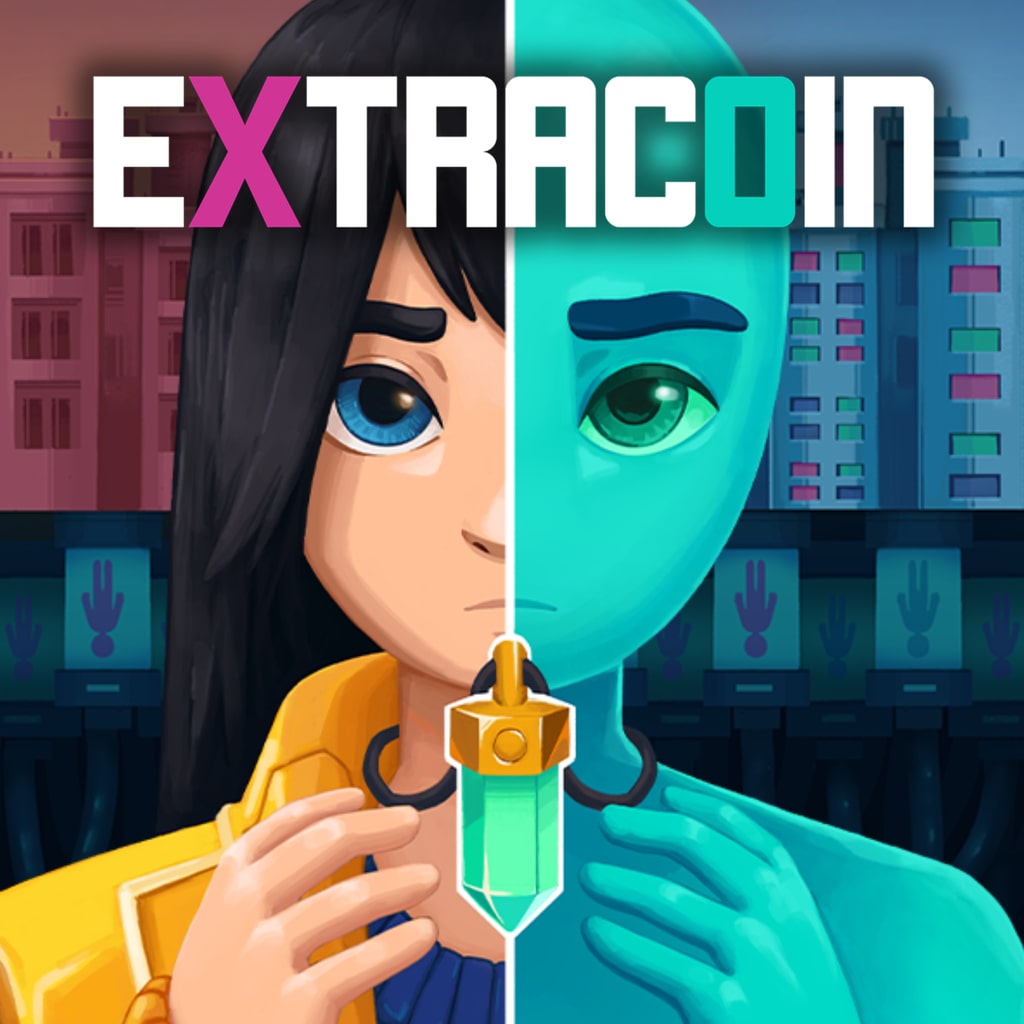
The idea of escaping reality through a digital world has long been a common theme in science fiction. From cyberpunk novels to modern virtual reality experiments, the concept explores both optimism and fear: what occurs when humanity prefers the virtual world over the real one?
Extra Coin, developed by CINIC Games and published by Leonardo Interactive, questions exactly that. Set inside a vast virtual society called The Arcade, the game combines narrative-driven exploration with competitive duelling, social simulation elements, and retro-inspired mini-games.
Originally launched for PC in 2024, Extra Coin gradually gained a following thanks to its distinctive art style and unique mix of gameplay systems. Now, with its console release on PlayStation 5, Xbox Series X|S, and Nintendo Switch, the game reaches a broader audience eager to explore its vibrant digital metropolis.
But beneath the bright pixel art and playful environment lies a story about identity, escapism, and the unsettling consequences of abandoning the real world.
A Digital Utopia with Cracks Beneath the Surface
The premise of Extra Coin is immediately captivating. As global conflicts and overpopulation push humanity to the edge, a new solution emerges: The Arcade, a fully virtual world where people abandon their physical bodies and live permanently as digital avatars.
The Arcade seems like a perfect escape. The city is colourful, lively, and filled with endless entertainment.
However, not everyone is convinced that this digital paradise is as flawless as it appears.
Players assume the role of Mika, a young girl whose parents mysteriously vanished after entering The Arcade. With no answers and no way to contact them in the real world, Mika chooses to follow them into the simulation.
What begins as a quest to find her parents gradually transforms into a deeper investigation of the strange social dynamics governing this digital society.
As Mika explores the city, she uncovers that The Arcade operates more like a competitive ecosystem than a harmonious community.
Status, popularity, and performance are everything.
Exploring The Arcade
The Arcade functions as the central hub of the game. Designed as a lively digital city, it features numerous districts, activity hubs, and hidden locations that gradually unlock as Mika builds her reputation.
Exploration is a key part of the overall experience. Players can wander through neighbourhoods filled with NPCs, neon signs, and quirky environmental details that animate the virtual world.
Each area introduces different characters, activities, and storylines. Some citizens live entirely carefree lives within the simulation, while others suggest darker truths about what occurs outside the digital realm.
The city’s design effectively captures the essence of a virtual social network brought to life, where interactions, reputation, and popularity influence every opportunity.
The Daily Loop
One of the most distinctive mechanics in Extra Coin is its daily cycle structure.
Each day resets, enabling Mika to plan how she spends her time within the city. Players can choose between training, socialising, exploring, or engaging in competitive duels.
This system adds a strategic layer to progression. Certain activities enhance specific stats, while others boost Mika’s reputation or unlock new dialogue options with important characters.
Although the loop structure initially feels restrictive, it gradually becomes one of the game’s most engaging aspects.
Deciding how to spend each day encourages experimentation and allows players the freedom to approach the game in various ways.
The Duel System
The core of Extra Coin’s gameplay is its 1v1 duel system.
Duels are competitive encounters where players face opponents using a mix of movement, timing, and strategic ability use. The combat is often likened to a combination of dodgeball mechanics and arcade brawlers.
Players can equip up to 50 ultimate abilities and 60 standard skills, enabling extensive experimentation with combat strategies.
Each duel demands careful positioning and swift reactions. Timing dodges, launching attacks at the right moment, and reading your opponent’s behaviour all become vital elements for success.
Boss battles exemplify the most intense aspect of this system, often requiring players to fully understand their ability combinations to defeat powerful enemies.
While the combat might seem simple at first, it reveals surprising depth as players unlock more abilities and face increasingly complex foes.
Mini-Games and Social Activities
Apart from duelling, Extra Coin features a wide range of side activities and mini-games scattered throughout The Arcade.
These include casual pastimes like dice games as well as more structured contests that reward players with stat bonuses or reputation enhancements.
Although these mini-games may appear to be simple diversions, they play a vital role within the game’s progression system.
Enhancing Mika’s stats through these activities often provides the advantage needed to succeed in tougher duels later.
They also help to strengthen the sense that The Arcade is a lively social environment where entertainment is central to everyday life.
Visual Style
Visually, Extra Coin catches the eye with its vibrant pixel art style.
The game mixes classic 2D sprite work with modern lighting and high-resolution effects, creating an aesthetic that feels both nostalgic and current.
Characters display expressive animations, while the city itself radiates with neon colours and stylised architecture that highlights its digital nature.
This visual approach gives the game a unique identity that fits its cyberpunk themes.
Despite the colourful display, subtle environmental details suggest the dystopian reality hidden beneath The Arcade’s sleek exterior.
Themes and Storytelling
Although the gameplay systems offer plenty of entertainment, Extra Coin truly stands out because of its narrative themes.
The game investigates digital escapism, social pressure, and the costs involved in abandoning reality.
Characters within The Arcade often seem cheerful and carefree, yet their conversations frequently hint at dissatisfaction or hidden struggles.
Mika’s quest to find her parents becomes linked with a broader mystery about the real purpose of the virtual world.
The story slowly shifts from a personal journey to a critique of societies that value digital validation more than authentic human connection.
Pros & Cons
Pros
- Unique cyberpunk premise and intriguing narrative
- Distinctive pixel art style with vibrant environments
- Deep ability system within the duel mechanics
- Engaging daily loop progression structure
- Large variety of mini-games and side activities
Cons
- Combat can feel repetitive during long sessions
- Some mini-games feel underdeveloped
- Daily loop pacing may not appeal to all players
- Narrative progression can occasionally feel slow
Final Verdict
Extra Coin is an ambitious indie adventure that combines narrative exploration, competitive duelling, and social simulation in a surprisingly cohesive manner.
Its vibrant pixel art world and cyberpunk themes create a memorable setting for a story that challenges the appeal of digital escapism.
Although some gameplay elements lack polish and repetition can occasionally influence the duel mechanics, the game’s original premise and engaging structure make it stand out among modern indie titles.
For players interested in story-driven adventures with experimental gameplay ideas, Extra Coin delivers a captivating journey into a world where the boundary between reality and simulation has completely vanished.