Historical strategy games often struggle to balance authenticity with accessibility. Many titles lean too heavily into simulation, overwhelming players with complex mechanics, while others simplify warfare so much that the sense of historical weight disappears.
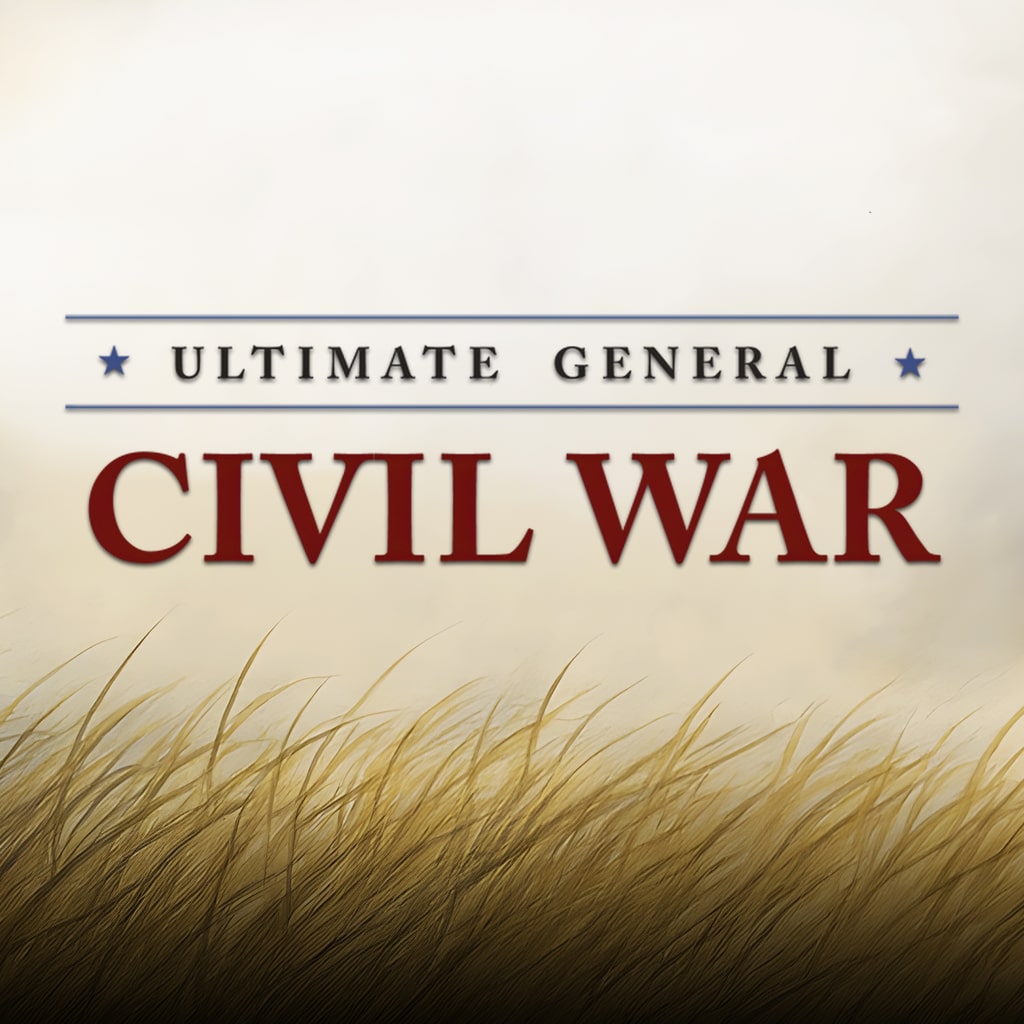
Ultimate General: Civil War, developed by Game-Labs, successfully finds an impressive middle ground. Originally released on PC to widespread acclaim from strategy enthusiasts, the game has now been ported to consoles by Samustai.
The console release, which launched on 4 March 2026 for PlayStation 5 and Xbox Series X|S, features a redesigned control scheme specifically crafted for gamepads. This adaptation allows players to command vast Civil War armies using a controller, without losing the tactical depth that made the PC version so popular.
At its core, Ultimate General: Civil War is a game about leadership under pressure. Every decision — from troop positioning to resource management — can decide the outcome of battles that shaped one of the most significant conflicts in American history.
Commanding the Battlefield
The key feature of Ultimate General: Civil War is its innovative “drawing” command system.
Instead of giving traditional RTS-style orders via menus or hotkeys, players physically draw movement paths and defensive lines directly on the battlefield map. These arrows direct units across terrain, forming battle lines or leading flanking manoeuvres.
This system feels surprisingly intuitive on consoles. Using the analogue stick to sketch movement paths provides the sensation of commanding an army with a tactical map spread across a command table.
It also encourages players to think in terms of formations rather than micromanaging individual units. You’re not just moving units — you’re shaping the battlefield itself.
The result is a control scheme that feels both natural and immersive.
Real-Time Battles with Strategic Depth
While technically a real-time tactics game, Ultimate General: Civil War progresses at a slower, more thoughtful pace than most RTS titles.
Battles develop gradually across vast maps inspired by real-world terrain. Engagements can last for hours as forces reposition, strengthen defensive lines, and strive to break enemy morale.
Positioning is crucial. Terrain features such as hills, forests, and rivers significantly influence whether your troops can hold their ground or succumb under enemy pressure.
Units on high ground gain major advantages, while troops in open fields quickly become vulnerable to concentrated fire.
This emphasis on battlefield geography introduces a level of authenticity that few strategy games achieve.
A Living Campaign
Beyond individual skirmishes, the game features an extensive 1861–1865 campaign mode.
Players take command of either the Union or Confederate forces and must steer their army through a series of historic engagements. Your performance in each battle directly impacts the resources available for future campaigns.
Victories boost your reputation and enable you to recruit more troops, expand your army structure, and access improved equipment. Conversely, defeats can seriously weaken your forces.
This interconnected system guarantees that every decision has long-term consequences.
Winning a battle at the expense of heavy casualties might cause issues later when experienced soldiers become scarce.
The Importance of Veteran Units
One of the most compelling aspects of Ultimate General: Civil War is its veteran progression system.
Units that survive multiple engagements gradually gain experience, transforming from inexperienced recruits into hardened veterans. These seasoned brigades fight more effectively, sustain morale under pressure, and deliver stronger attacks.
However, losing veteran units can be devastating.
Replacing them with fresh recruits often means sacrificing both combat effectiveness and battlefield cohesion. Protecting your experienced troops becomes a strategic priority throughout the campaign.
This system fosters emotional investment in individual units, turning them into valuable assets rather than disposable soldiers.
Logistics and Supplies
War is not won by bravery alone.
Supply management is vital in every engagement. Each army depends on supply wagons to distribute ammunition and sustain combat readiness.
Units that quickly exhaust their ammunition become ineffective, making them susceptible to enemy advances.
Protecting supply lines while disrupting the enemy’s logistics adds an extra layer of tactical complexity.
Cavalry units can carry out swift flanking manoeuvres to attack supply wagons, while infantry formations must carefully uphold their defensive positions to prevent being cut off.
These logistical elements help enhance the game’s realistic portrayal of 19th-century warfare.
Officers and Command Structure
Leadership also plays a crucial role on the battlefield.
Historical officers can be assigned to units, providing bonuses that boost morale, combat effectiveness, and command efficiency.
However, officers are not exempt from the perils of war.
They may be wounded or killed during battles, which forces players to reorganise their command structure.
Losing a skilled officer during a vital engagement can have severe consequences, especially if it interrupts the leadership of veteran brigades.
Authentic Battlefields
One of the most striking features of the game is its hand-painted battlefield maps.
These landscapes are based on historical records and satellite data, recreating famous battlefields such as Gettysburg and Antietam with remarkable attention to detail.
Rolling hills, dense forests, and winding rivers create environments that are both beautiful and tactically intricate.
The isometric perspective offers a clear overview of the battlefield while still emphasising the scale of each engagement.
Watching thousands of soldiers manoeuvre across these landscapes enhances the feeling that you are part of a truly massive conflict.
Console Performance and Controls
Strategy games often face difficulties when being adapted from PC to console, but the redesigned control scheme performs remarkably well.
The drawing mechanic translates seamlessly to analogue controls, enabling players to issue commands swiftly without navigating complex menus.
Zooming and camera movement feel smooth, helping players stay aware of large-scale engagements.
Performance remains stable even during intense battles with hundreds of units on screen.
Pros & Cons
Pros
- Innovative drawing-based command system
- Deep tactical gameplay with realistic battlefield mechanics
- Extensive campaign with meaningful strategic consequences
- Veteran unit progression creates emotional investment
- Beautiful hand-painted historical battlefields
Cons
- Steep learning curve for new players
- Campaign battles can be lengthy
- Some interface elements still feel designed with PC in mind
- Limited narrative presentation outside historical context
Final Verdict
Ultimate General: Civil War remains one of the most engaging historical strategy games available today.
Its innovative command system, detailed tactical mechanics, and historically authentic campaign create an experience that reflects both the scale and complexity of Civil War warfare.
The console release effectively adapts the game’s intricate systems for controller gameplay without losing depth, broadening its appeal to more strategy enthusiasts.
While its steep learning curve might deter newcomers, those willing to dedicate time will find an incredibly fulfilling strategy experience.
For players interested in military history and tactical warfare, Ultimate General: Civil War stands as a notable digital battlefield.