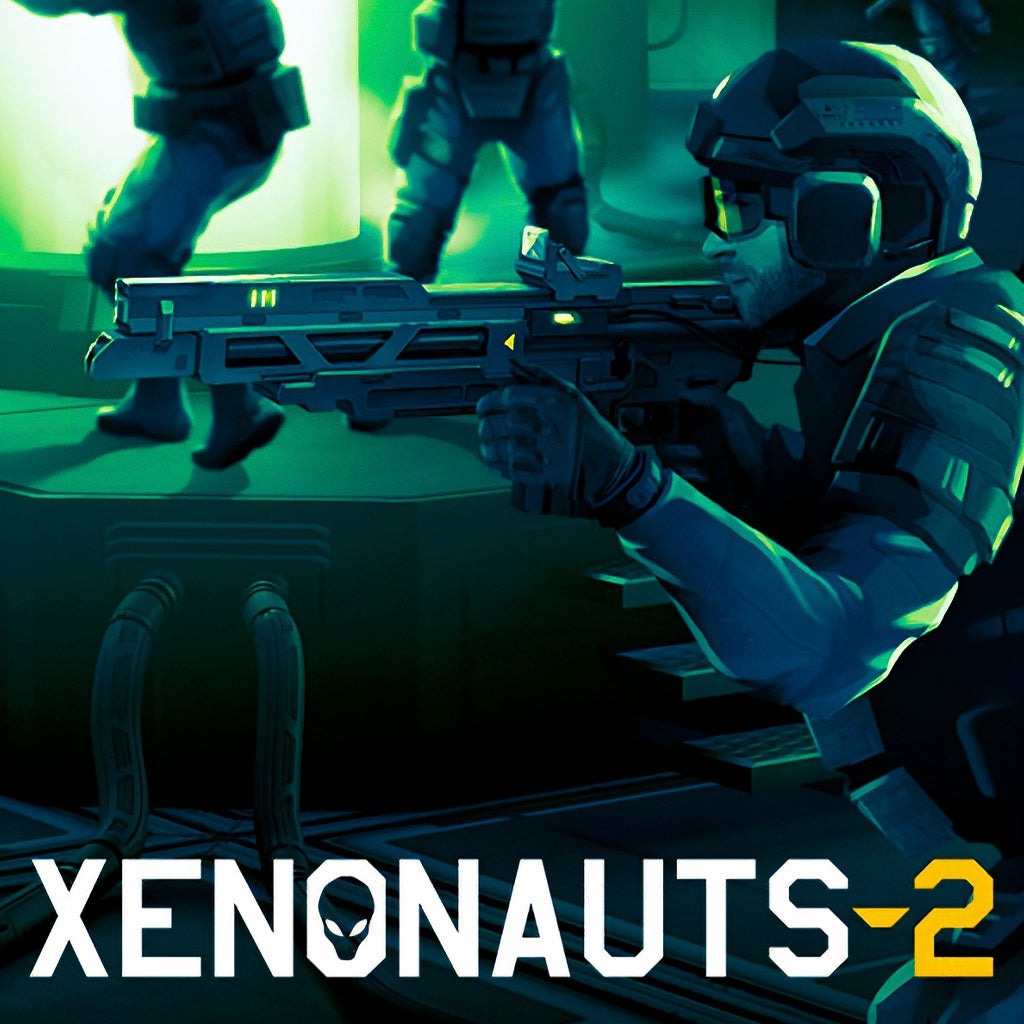
Released in its full 1.0 form on 2 April 2026, Xenonauts 2 marks the long-awaited evolution of Goldhawk Interactive’s spiritual successor to the original X-COM lineage. Published by Hooded Horse and available on PC via Steam, GOG, and the Epic Games Store, this is a game that arrives with the weight of expectation—years of Early Access refinement culminating in a release designed to establish its place among the most faithful and demanding strategy titles in modern PC gaming.
Set in an alternate 2009 where the Cold War never ended and the Berlin Wall still stands, Xenonauts 2 casts players as the commander of a covert multinational organisation tasked with defending Earth from an escalating alien incursion. But this is not a clean, heroic defence. It is a shadow war fought through radar blips, intercepted transmissions, crashed UFOs, and the bodies of soldiers who rarely return unchanged—if they return at all.
It is a game about control, but also the constant erosion of it.
The Strategic Layer – A World Under Constant Pressure
At the core of Xenonauts 2 is its global strategy layer, and it remains one of the most engaging implementations of planetary-scale defence in the genre. You are not merely managing a single base or theatre of war—you are coordinating a delicate, interconnected network of facilities spread worldwide, each with its own responsibilities, limitations, and vulnerabilities.
Radar stations in Alaska detect unidentified aerial phenomena over the Bering Strait. Jets scramble from Kamchatka and Yukon. UFOs are intercepted over water, debris scattered across vast oceans. Meanwhile, simultaneous incursions elsewhere force you to prioritise between Europe, Africa, and Asia, often with incomplete information and limited resources.
This is where Xenonauts 2 excels: relentless pressure. The game rarely allows you to settle into comfort. Every decision has global consequences, and every missed interception can lead to wider alien dominance in a region.
Base building is methodical and highly rewarding. Layout matters. Fuel range matters. Specialisation matters. Whether you design a base focused on rapid interception, research output, manufacturing efficiency, or layered defence, each choice feels like a long-term strategic commitment rather than a temporary adjustment.
There is an almost unsettling realism in how systems interact. You are not building an empire—you are creating a fragile defensive web stretched across an increasingly hostile planet.
Research and Progression – Knowledge as a Weapon
Progression in Xenonauts 2 is driven by research, and it remains one of the most rewarding loops in the game. Early encounters with alien forces are confusing, overwhelming, and deliberately opaque. You are underpowered, underinformed, and constantly reacting.
But every recovered body, every captured piece of technology, and every successful autopsy contributes to a growing understanding of the enemy. Gradually, your scientists start to close the gap.
The research tree is extensive, offering over a hundred projects covering weapons, armour, aircraft, vehicles, and advanced alien reverse-engineering. This creates a strong sense of technological escalation. You begin with outdated rifles and fragile interceptors, gradually evolving into a force capable of deploying mechanised combat units, autonomous defences, and advanced energy weaponry.
What makes this system compelling is its trade-off structure. Pursuing explosive tactical options may grant battlefield dominance but can reduce your ability to recover alien materials intact. More cautious play yields better long-term research but increases immediate operational risks.
There is rarely a perfect answer—only competing priorities.
Tactical Combat – Brutal, Methodical, and Unforgiving
If the strategic layer revolves around control, the tactical layer concerns survival amid uncertainty.
Ground missions are turn-based, deliberate, and often brutal. Positioning is crucial. Cover is vital. Line of sight can mean the difference between a clean engagement and a squad wipe. And even with careful planning, casualties are unavoidable.
This is not a game that romanticises military efficiency. Soldiers bleed, panic, miss shots, and die. Veteran units become invaluable assets, not because they are invincible, but because they have simply survived long enough to be dependable.
The introduction of varied alien types and the addition of human adversaries like the Cleaners introduces significant tactical variety. Cleaners, in particular, bring a grounded, conspiratorial human threat that complicates what might otherwise be a solely alien-focused conflict. Their presence adds narrative depth and operational unpredictability.
Encounters feel dynamic and often emergent. Aliens do not simply wait to be discovered—they manoeuvre, flank, and exploit terrain. The result is a tactical environment that feels reactive and alive, rather than scripted.
That said, the learning curve remains steep. Even for genre veterans, Xenonauts 2 demands patience, precision, and a willingness to accept failure as part of the process.
Air Combat – Strategy at Speed
One of the key features of the 1.0 release is the integration of air combat into the wider strategic loop. UFO interception is not abstracted—it is immediate, tactical, and heavily reliant on preparation.
You manage fighter wings in real time, issuing commands, monitoring fuel levels, and coordinating engagements that often involve multiple squadrons. There are no scripted duels or simplified outcomes. If an alien craft is superior, you compensate with numbers, positioning, or timing.
This system is where the global strategy layer truly comes to life. Base placement, radar coverage, and aircraft availability directly influence your success or failure in these engagements. A poorly positioned base can leave entire regions vulnerable.
It is a system that rewards foresight and punishes complacency.
Performance, Presentation, and 1.0 Refinement
Compared to its Early Access version, the 1.0 release features notable improvements in performance and stability. Battles flow more smoothly, global simulation responds quicker, and long campaigns feel more reliable overall.
Visually, Xenonauts 2 is utilitarian rather than flashy. Its strength lies in clarity—battlefields are easy to read, strategic maps are informative, and the UI design focuses on information density over aesthetic appeal. While it may not dazzle visually, it effectively supports the complexity of its systems.
Audio design is similarly restrained but effective, reinforcing tension without overwhelming the player.
Final Thoughts
Xenonauts 2 is not a comfortable strategy game. It is methodical, punishing, and often unforgiving—but it is also one of the most authentic modern interpretations of classic X-COM-style design.
Its strength lies in the interplay between systems: global strategy feeding tactical encounters, research shaping battlefield capability, and air combat linking the two layers into a cohesive whole. Every decision matters, and every mistake has repercussions across the campaign.
The 1.0 release successfully refines years of Early Access development into a cohesive and deeply challenging experience that rewards patience, planning, and adaptability.
It is not for everyone—but for those willing to engage with its complexity, it is exceptional.