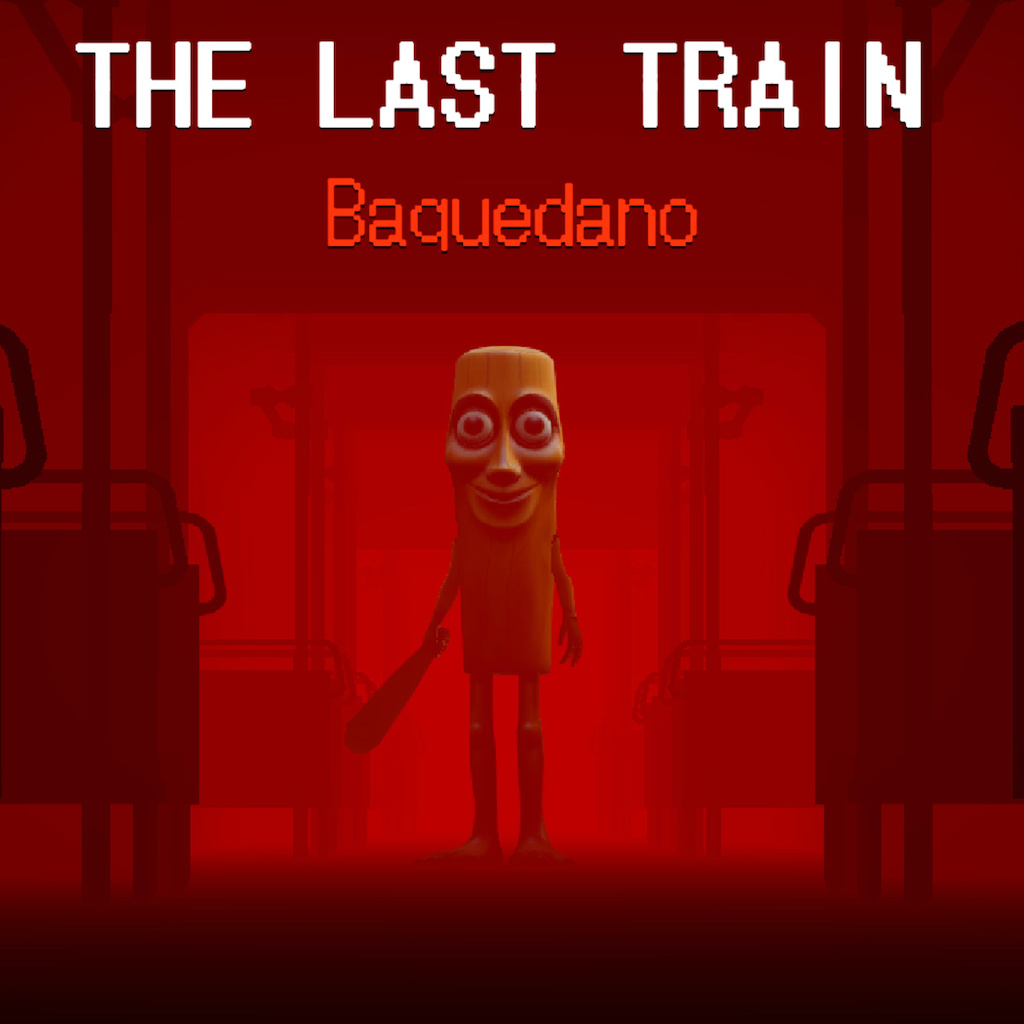
Not every horror game needs a sprawling runtime, cinematic cutscenes or layers of complex systems to leave a lasting impression. THE LAST TRAIN: Baquedano is a compact psychological horror experience that understands the power of atmosphere, restraint and suggestion. By placing players in an eerily familiar yet deeply unsettling setting, it delivers a tightly focused journey that lingers in the mind long after the final moments fade to black.
The premise is immediately relatable. You fall asleep on a subway train and wake up at the end of the line, alone in a deserted station. From that point forward, nothing feels quite right. The station seems to stretch beyond logic, corridors loop back on themselves, and the silence is broken only by distant echoes and unnatural sounds. What begins as a simple search for an exit slowly transforms into a tense struggle for survival, as it becomes clear that you are not alone.
Atmosphere Over Excess
Baquedano wastes no time establishing its tone. There’s no lengthy introduction or heavy exposition — confusion and vulnerability are the starting points. This immediacy works in the game’s favour, pulling players into a state of unease almost instantly. The abandoned station is rendered with a deliberate focus on shadow, scale and sound, making even empty hallways feel threatening.
Rather than relying on constant jump scares, the game builds tension through anticipation. Long stretches of silence are punctuated by unsettling audio cues, distant footsteps or glimpses of movement just out of sight. The fear doesn’t come from what you see, but from what you suspect might be lurking nearby. This slow-burn approach gives the experience a more psychological edge, allowing dread to settle in gradually rather than spiking artificially.
The subway station itself becomes a character. Its maze-like design, confusing signage and unexpected dead ends mirror the player’s growing disorientation. There’s a sense that the environment is actively working against you, warping familiar architecture into something hostile and surreal. This manipulation of space is one of the game’s strongest tools, turning a mundane setting into a nightmare.
Exploration, Puzzles and Discovery
While Baquedano is primarily driven by exploration, it also incorporates light puzzle elements that encourage careful observation. These puzzles are never overly complex, but they demand attention to detail and an awareness of the environment. Clues are subtle, often embedded into the scenery, reinforcing the need to slow down despite the constant pressure to flee.
Exploration is rewarded with environmental storytelling. Small details hint at the station’s past and the strange events that may have taken place there. Rather than spelling everything out, the game invites players to piece together their own interpretation of what’s happening. This ambiguity adds to the unsettling tone and makes each discovery feel personal.
A notable inclusion is the presence of multiple endings. Your actions, choices and discoveries influence how the story concludes, encouraging replayability. These endings don’t simply serve as variations of the same outcome; they provide different perspectives on the game’s themes and events. This design choice reinforces the idea that Baquedano is as much about interpretation as it is about escape.
Surreal Humour in the Darkness
Interestingly, THE LAST TRAIN: Baquedano occasionally punctures its oppressive atmosphere with moments of surreal humour. Strange objects, unexpected encounters and oddly placed details introduce a touch of absurdity that contrasts sharply with the surrounding dread. These moments are brief and understated, but they add a distinctive flavour to the experience.
This blend of horror and surrealism prevents the game from becoming monotonous. Just as tension begins to peak, a bizarre visual or unexpected interaction reminds players that the experience exists in a liminal space between reality and nightmare. It’s an effective tonal balancing act that keeps players off guard, never fully sure what to expect next.
Short Runtime, Focused Vision
One of the most discussed aspects of Baquedano is its length. The game can be completed in a single sitting, which will undoubtedly divide opinion. For some, the brief runtime may feel limiting, especially for those who prefer longer, more mechanically complex horror experiences.
However, the game’s conciseness is also one of its strengths. Baquedano delivers a concentrated dose of atmosphere and tension without unnecessary padding. It understands when to end, leaving players unsettled rather than exhausted. The inclusion of multiple endings adds value for those who wish to revisit the station and uncover everything it has to offer.
Rather than stretching its ideas thin, the game remains focused, ensuring that every moment contributes to the overall experience. This discipline is commendable, particularly in a genre that often suffers from repetition and diminishing returns.
Presentation and Sound Design
Visually, Baquedano is modest but effective. It doesn’t aim for hyper-realism, instead prioritising lighting and spatial design to evoke unease. Heavy shadows, flickering lights and narrow corridors work together to obscure vision and heighten anxiety.
Sound design plays a crucial role in sustaining tension. Ambient noise fills the silence, with distant rumbles, metallic creaks and distorted echoes creating the impression of a space that never truly rests. The lack of constant music allows these sounds to stand out, making each audio cue feel significant.
Where It Falls Short
Despite its strengths, Baquedano isn’t without flaws. Players seeking deeper gameplay systems or a more explicit narrative may find the experience too minimalistic. The puzzles, while effective, are limited in scope, and the story’s ambiguity may frustrate those who prefer clear explanations.
Additionally, once all endings have been discovered, there’s little reason to return. The station’s mysteries, once solved, lose some of their impact. This limits long-term replayability beyond curiosity-driven revisits.
Final Verdict
THE LAST TRAIN: Baquedano is a tightly crafted psychological horror experience that thrives on atmosphere, restraint and surreal unease. Its use of a familiar setting twisted into something hostile is highly effective, and its focus on mood over mechanics makes it stand out among indie horror titles. While its short length and minimal systems may not appeal to everyone, those who appreciate slow-burn tension and environmental storytelling will find much to admire.