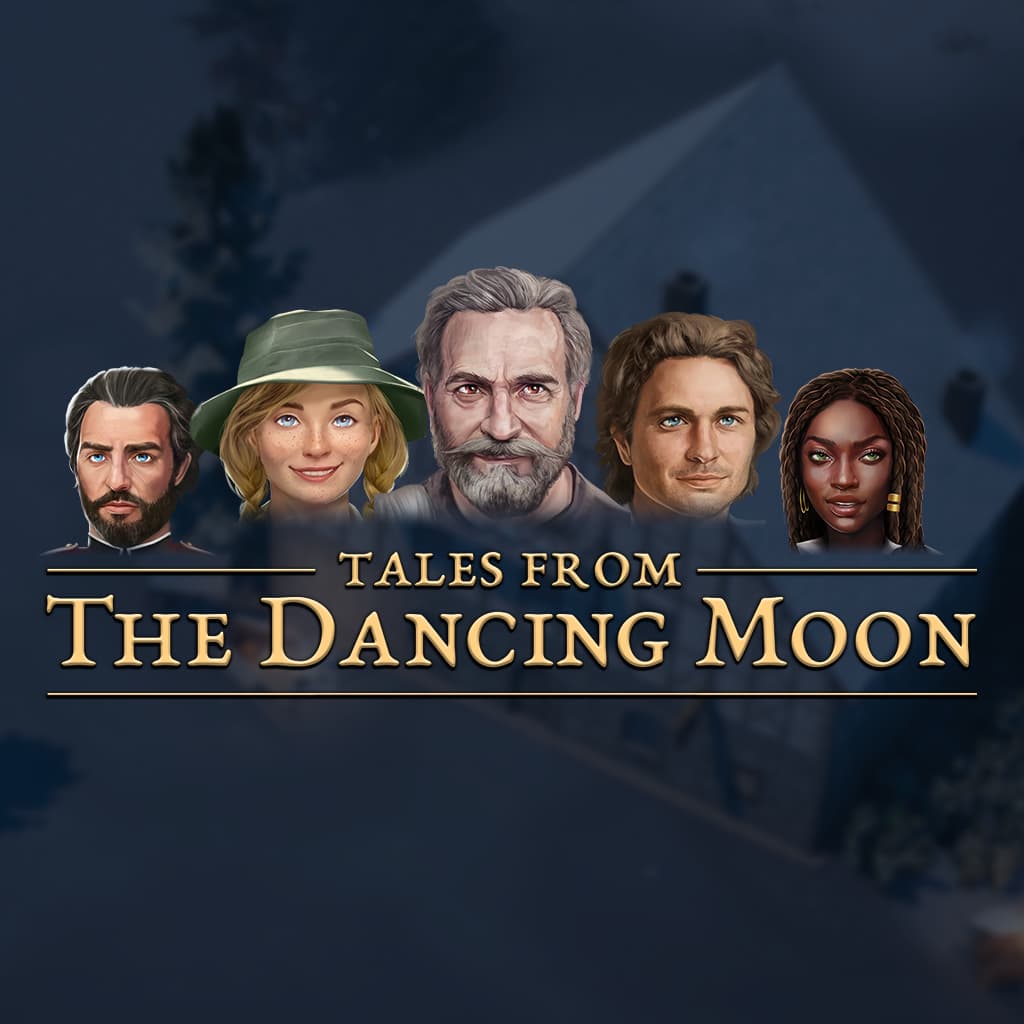
There is something immediately appealing about a game that offers you a seaside village, a cosy inn, a spot of fishing, a bit of farming and a sinister mystery involving shadow beasts, missing teenagers and mysterious tea-brewing Magisters. Tales from The Dancing Moon takes those seemingly incompatible ingredients and somehow turns them into a surprisingly cohesive little adventure. It is part life sim, part isometric RPG, part mystery and part old-fashioned storybook fantasy, with a distinctly British flavour running through almost everything it does. Most importantly, it feels like a game made with affection rather than a desire to tick every fashionable box.
Developed and published by solo developer DjMonkey, Tales from The Dancing Moon drops you into Ïllisor after a devastating invasion has left the seaside community battered and struggling to recover. You arrive as an outsider and, before long, find yourself caught up in the aftermath while trying to understand exactly why you are there in the first place. The villagers need help rebuilding their lives, teenagers have disappeared and something much darker is lurking beyond the familiar comforts of The Dancing Moon Inn. It is the sort of setup that makes you want to know what is happening without immediately shouting every answer in your face.
Life After the Invasion
The aftermath of the shadow beast invasion gives the game an interesting starting point because Ïllisor is not presented as a perfect little fantasy village waiting for the player to arrive and save it. There is damage everywhere, people are trying to put their lives back together, and the sense of recovery becomes an important part of your journey. Helping villagers is not simply a collection of errands designed to keep you occupied between story scenes. There is a genuine feeling that your actions are gradually contributing to the restoration of a place that has been through something terrible.
That gives everyday activities considerably more meaning than they might otherwise have. Farming, cooking, fishing and crafting could easily have existed simply as optional distractions, but here they help you become part of the community. The more time you spend in Ïllisor, the more familiar its residents become, and that familiarity makes the village feel increasingly like somewhere you actually belong. There is a lovely contrast between the quiet routine of village life and the unsettling mystery just beneath the surface.
A Mystery Worth Following
At the heart of Tales from The Dancing Moon is its story, and this is where the game distinguishes itself from more conventional cosy life sims. The disappearance of several teenagers forms one of the central mysteries, while the strange connection between the missing youngsters, the Magisters and the shadow beasts gradually emerges. Your own role in everything is equally mysterious, with the game encouraging you to collect diary entries and piece together information rather than simply handing you a neat explanation.
The hidden diaries are particularly effective because they turn exploration into something more meaningful. Finding one is not just another tick on a checklist, as each entry offers another piece of the larger puzzle. You begin to assemble a picture of Ïllisor, its history and the strange events surrounding it, and the process encourages you to pay attention to places you might otherwise simply walk past. It is a nice example of how environmental discovery can support a narrative without constantly dragging the player away from the gameplay.
Seasons of Ïllisor
The world itself is divided between handcrafted areas and more procedural regions, giving Tales from The Dancing Moon an interesting mixture of familiarity and unpredictability. The areas around The Dancing Moon Inn and Stoknel Swamp have distinct identities, while seasonal and weather effects gradually shift the mood of the world. A location that feels warm and inviting at one point can take on an entirely different atmosphere when the weather changes or the season advances. This makes Ïllisor feel like somewhere that exists independently of the player, rather than simply a collection of static game levels.
There is also something wonderfully British about the game’s approach to its setting. The seaside-town atmosphere, village characters and slightly eccentric fantasy elements create a world that feels closer to a strange illustrated storybook than to the usual sprawling fantasy RPG. There is magic here, certainly, but it is mixed with tea, fishing, cooking and community life in a way that gives the game its own personality. It is an unusual combination, and that is precisely why it works.
The Dancing Moon Inn
The Dancing Moon itself becomes an important anchor throughout the adventure. Having somewhere that feels like home gives the player a place to return to after exploring the surrounding areas, completing quests, or dealing with the more dangerous elements of the world. There is a comforting rhythm to leaving the inn, heading out into Ïllisor and its surrounding wilderness, completing a few tasks, and eventually returning to familiar surroundings. It is the kind of structure that makes a game easy to settle into.
The decorating and object placement systems add another layer to that feeling of ownership. Being able to shape spaces and decide how things are arranged gives you the chance to make the world feel a little more personal. It is not merely about improving statistics or unlocking another ability. Sometimes it is simply about making somewhere look nice because you happen to like it that way, and those small personal touches are an important part of the game’s cosy appeal.
More Than Just a Life Sim
It would be easy to look at the farming, fishing, cooking and crafting and assume that Tales from The Dancing Moon is primarily a relaxing life sim with a bit of fantasy thrown in. That would miss a sizeable part of what makes it interesting. Beneath the comfortable routines lies an isometric RPG with real-time combat, dangerous shadow creatures and procedurally generated dungeon areas that can take you away from the safety of the village.
The combat provides a welcome change of pace, preventing the game from becoming too gentle. Exploring the more dangerous areas carries a different kind of tension from wandering around town, and encountering shadow monsters reminds you that the invasion was not simply a historical event that everyone can forget. There is still danger in the world, and dealing with it gives the player another reason to improve their equipment and explore beyond the comfortable boundaries of Ïllisor.
Villagers With Stories of Their Own
The people of Ïllisor are central to the experience, and the game understands that a village is only as interesting as the people who live in it. Completing quests gives you opportunities to learn more about individual villagers, their lives and the community they are trying to rebuild. These interactions help prevent the town from feeling like a collection of quest markers. Even when a task is relatively straightforward, it can contribute to the wider sense that you are becoming part of this strange little community.
That character-driven approach also supports the central mystery. The villagers are not simply there to hand you chores before sending you back into the wilderness. Their experiences, memories and knowledge can all contribute to your understanding of what happened. The more time you invest in the people around you, the more invested you become in discovering what happened to the missing teenagers and why you have become involved in the first place.
A World Built by One Developer
Knowing that Tales from The Dancing Moon comes from a solo developer makes some of its rougher edges easier to understand. The world is relatively compact, some progression elements arrive later than you might expect, and there are occasional moments when the scale of the ambition is slightly greater than the resources behind it. There can also be frustrating penalties when death results in the loss of some inventory progress, particularly after you have spent a considerable amount of time gathering materials.
Yet there is something endearing about the game’s imperfections. You can feel the personality behind the project, particularly in its setting, humour and willingness to combine genres that would not normally sit together. It does not always have the smoothest or most elaborate implementation, but it has a clear identity. In a landscape increasingly filled with enormous teams and enormous budgets, there is something refreshing about a game that feels personal.
Finding Your Purpose
The question running through Tales from The Dancing Moon is not simply what happened to Ïllisor. It is also why you are there. Are you really meant to uncover the truth about the missing teenagers? Are you meant to find a way back home? Or could the answer simply be that you have found somewhere worth staying?
That question gives everyday activities unexpected emotional weight. Farming a field or helping to rebuild part of the village might seem mundane compared with fighting monsters, but these quieter moments are where the game establishes its sense of belonging. You begin the adventure as an outsider, yet gradually become woven into the life of Ïllisor. The possibility that your journey could ultimately be about finding somewhere you belong, rather than simply finding your way home, is a lovely thread running through the experience.
Final Verdict
Tales from The Dancing Moon is a charming and surprisingly ambitious little RPG that blends cosy life-sim mechanics with genuine mystery and fantasy adventure. Its seaside setting, eccentric villagers, seasonal changes and atmospheric soundtrack create a world that is easy to become attached to, while hidden diaries and missing teenagers give you a reason to keep digging beneath the surface. The farming, fishing, cooking, crafting and decorating provide plenty to do between story beats, while real-time combat and procedural areas ensure that Ïllisor is not entirely about sitting back and enjoying the scenery.
It is not without limitations. The world can feel compact, some of the more substantial building rewards arrive quite late, and losing inventory progress after death can occasionally feel harsher than the game’s otherwise relaxed personality suggests. The procedural elements also cannot completely disguise the limitations of a project created by a solo developer. However, none of these issues erase the considerable charm at the heart of the experience.
What makes Tales from The Dancing Moon memorable is its sense of place. Ïllisor feels like somewhere you could imagine wandering around on a damp afternoon, stepping into The Dancing Moon for a warm drink before heading back out to investigate something you probably should have left alone. It has warmth, mystery and just enough darkness to keep things interesting, and its British storybook sensibility gives it an identity all of its own. For anyone who likes their RPGs with a little more heart and their life sims with something mysterious lurking around the corner, this is a very easy world to settle into.