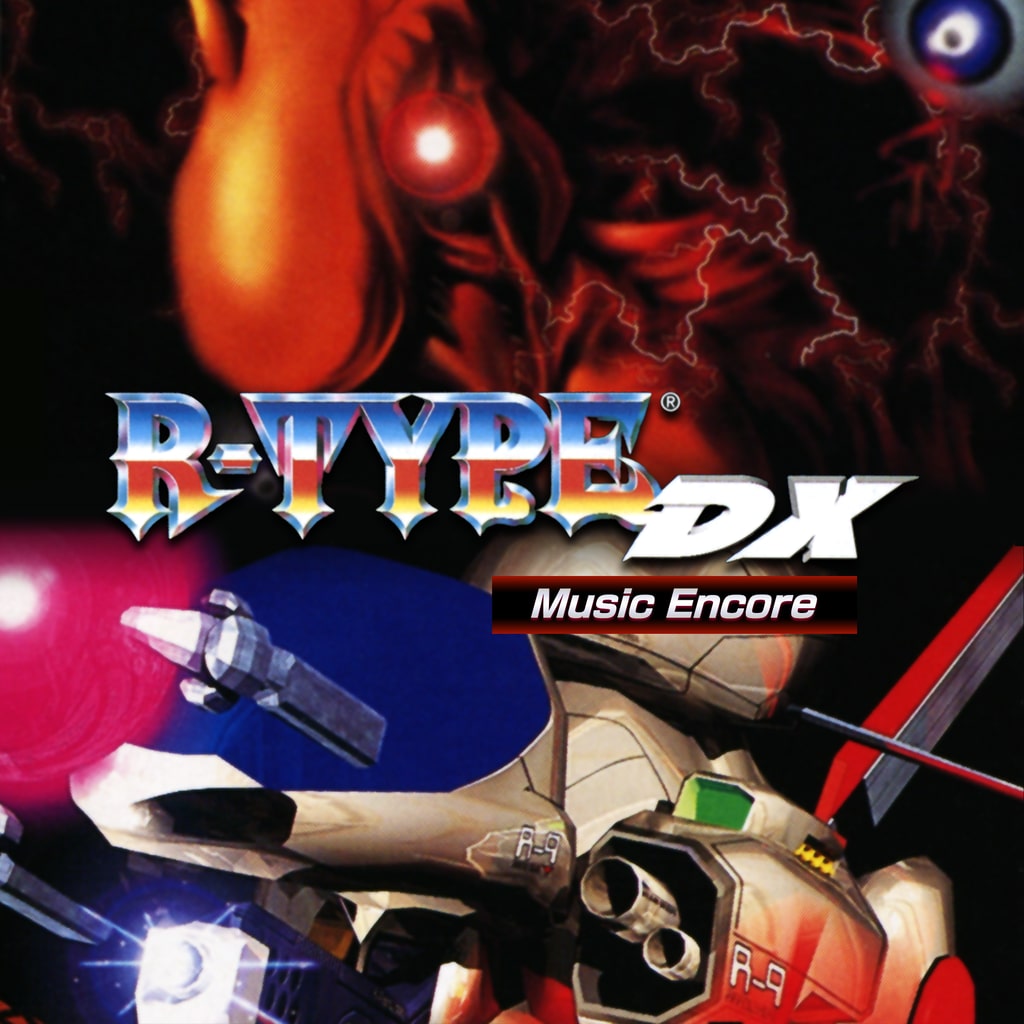
There is a particular kind of game preservation that feels less like restoration and more like conversation with history. R-TYPE DX: Music Encore belongs firmly in that space. It is not trying to reinvent the past. It is trying to listen to it more carefully.
Developed and published by City Connection, this release revisits the 1999 Game Boy Color compilation R-Type DX, itself a portable adaptation of the legendary shoot ’em up series. What makes this version different is not its gameplay. It is its sound. This is a game built around correction. Around filling in what was missing.
The Bydo Return, As They Always Do
At its core, Music Encore preserves the structure of the original Game Boy releases of R-Type and R-Type II. You still pilot the R-9 fighter through waves of biomechanical horror known as the Bydo. You still attach the Force pod, still memorize enemy patterns, still survive through precision and repetition. That part of the experience is unchanged. And intentionally so.
The shooting is methodical, almost surgical. Movement is deliberate. Mistakes are punished quickly, as they always have been in this series. There is no attempt here to soften the edges of its design philosophy.
Instead, the game leans into authenticity, offering optional modern conveniences like rewind, quick save, and rapid fire. These features do not alter the core identity. They simply make it more approachable for modern players who may not have the patience or muscle memory of the era it comes from. The result is a strange balance between preservation and accessibility. You can experience it as it was, or as something slightly more forgiving.
Where Music Becomes Memory
The defining feature of this edition is, without question, its reconstructed soundtrack. The original Game Boy versions of these games were often criticised for their repetitive and reused audio. Entire stages would share themes, leaving large sections of gameplay without musical identity. Music Encore addresses this not by replacing the aesthetic, but by expanding it within its original constraints.
New stage-specific tracks have been created using authentic handheld hardware audio. The goal is not modern orchestration or reinterpretation. It is reconstruction. Music that feels like it could have existed in 1999, if only the hardware or time had allowed it.
The effect is subtle but powerful. Levels that once blended together now have distinct emotional textures. Some tracks pulse with urgency. Others feel more restrained, almost mechanical. Each stage gains its own identity through sound alone. It is a change that does not alter gameplay, but changes perception.
The Philosophy of Constraint
What makes this approach so compelling is how strictly it adheres to limitation. There is no attempt to modernise the visuals beyond clarity improvements. No reimagined art direction. No remixed gameplay systems.
Even the presentation options reinforce this philosophy. Players can switch between monochrome and colour versions of the original releases, preserving the feel of handheld gaming at the end of the 90s.
This is not nostalgia as decoration. It is preservation as discipline. You are not being asked to forget what the game was. You are being asked to notice what it could not say at the time.
A Shooter That Demands Attention
The R-Type formula remains as unforgiving as ever. Enemy patterns require memorisation. Boss encounters demand patience and repetition. There is very little in the way of improvisation once a stage begins.
This structure may feel rigid to newcomers. There is an almost academic quality to its design. Learn, repeat, refine. But within that rigidity lies a strange kind of elegance. Each stage feels like a puzzle built from motion and timing. Success is not about reaction speed alone. It is about understanding structure.
The Force mechanic remains central to this identity. Attaching and detaching your pod at the right moment continues to be the difference between survival and failure. It is a system that rewards discipline more than aggression.
Ultimate Challenge, Unified Memory
One of the more interesting additions is the “Ultimate Challenge” mode, which combines both R-Type and R-Type II into a continuous experience. This mode now features the newly constructed full soundtrack, giving the entire journey a cohesive musical identity.
Playing through both titles back to back highlights just how much the added audio changes perception. What once felt like two separate experiences now feels like a single extended war against the Bydo.
It does not change the difficulty curve. It does not soften the transitions. But it does give the journey a sense of continuity that was previously missing.
A Study in Game Boy Design
There is something almost academic about revisiting these games in this form. You begin to notice how much was achieved within severe hardware limitations. How much was implied rather than shown. How much design had to compensate for technical restriction.
The Game Boy Color version of R-Type was never meant to compete with its arcade counterparts. It was an adaptation, filtered through constraint. Music Encore respects that identity rather than trying to overwrite it. In doing so, it becomes less of a remake and more of a curated archive.
The Limits of Preservation
Of course, this level of faithfulness comes with its own limitations. The core gameplay remains unchanged, which means its pacing and difficulty may feel archaic to players accustomed to modern shooters with smoother learning curves.
There is also the question of audience. This is a deeply specific release, aimed at players who already appreciate either the R-Type series or the history of handheld game design. For everyone else, it may feel overly specialised.
Even the new soundtrack, while thoughtful and well implemented, cannot fundamentally transform the repetition inherent in the original structure. This is preservation, not reinvention. And that distinction matters.
Sound as Restoration of Meaning
Where Music Encore succeeds most clearly is in how it reframes audio as missing context rather than decoration. The new tracks do not simply enhance gameplay. They restore identity to moments that previously lacked it.
A stage that once felt mechanical now feels tense. A boss encounter that once blurred into memory now has a distinct emotional shape. It is a reminder that sound is not secondary in games like this. It is structural.
A Quiet Kind of Importance
There are many ways to preserve a game. Some aim for accuracy. Others aim for accessibility. R-Type DX: Music Encore chooses a third path. It aims for completeness of feeling.
Not everything is changed. Not everything needs to be. What matters here is the sense that something incomplete has been gently finished, not altered, but realised more fully than before.
Final Verdict
R-Type DX: Music Encore is a thoughtful, highly specialised preservation project that respects the limits and strengths of its source material while addressing one of its most noticeable shortcomings. Its reconstructed soundtrack adds meaningful identity to previously muted stages, while quality of life options make the experience more approachable without compromising its original design.
It is not a reinvention of R-Type. It is a correction of memory. And for those who care about that distinction, it matters a great deal.