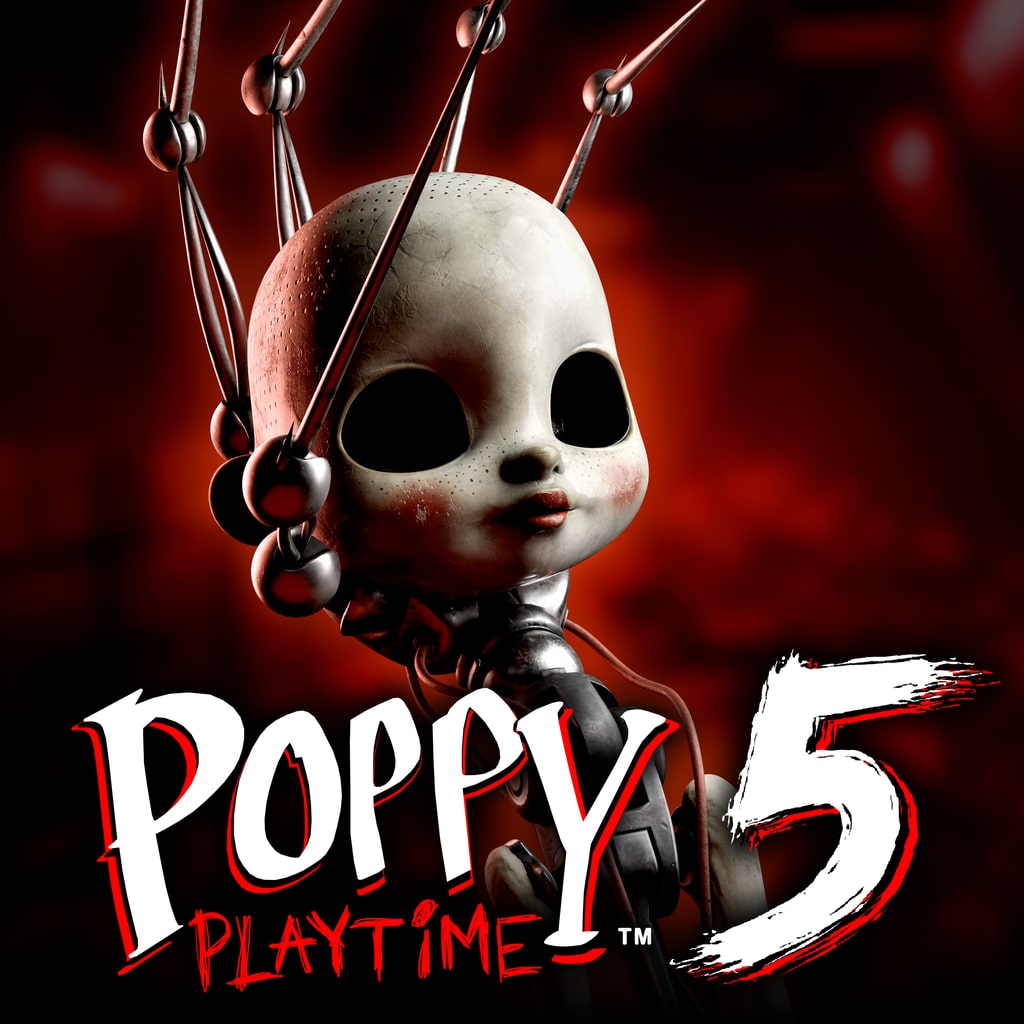
Poppy Playtime has always thrived on contrast. It takes bright toy-store colours, oversized cartoon mascots, and childhood nostalgia, then twists them into something deeply unsettling. With Chapter 5: Broken Things, that contrast finally reaches its ugliest and most effective form yet. This newest chapter abandons much of the playful mystery that defined earlier episodes and instead drags players into a place that feels genuinely rotten, not just physically decayed but spiritually corrupted. The deeper you descend into Playtime Co.’s underbelly, the more the factory begins to resemble a living graveyard of failed experiments, broken memories, and discarded humanity.
Mob Entertainment has spent years building towards this moment, and for the first time in the series, it truly feels as though the developers understand the emotional power hidden beneath the mascot horror formula. Chapter 5 is not simply louder or bloodier than its predecessors. It is sadder. Meaner. More oppressive. There are moments here that linger long after the credits roll, not because of jump scares but because of how thoroughly hopeless this world has become.
Story & Atmosphere
Broken Things wastes little time throwing you back into danger. Picking up directly after the events of Chapter 4, the game immediately strips away the fragile sense of companionship players had come to rely on. You are isolated almost instantly, forced deeper into The Prototype’s Domain as the factory itself seems determined to collapse around you. This section of Playtime Co. feels less like a workplace and more like a forgotten hell buried beneath America’s industrial history.
What sets Chapter 5 apart is its effective use of environmental storytelling. Every hallway feels abandoned for a reason. Every cracked wall and discarded toy carries the weight of a forgotten tragedy. The factory no longer feels mysteriously playful. Instead, it feels exhausted. Like a place that has suffered for decades and simply refuses to die.
The writing also deserves credit for finally embracing the emotional consequences of its lore. Earlier chapters occasionally leaned too heavily on cryptic teases and internet-theory bait. Broken Things still contains mysteries, but the focus now rests more firmly on grief, manipulation, and the human cost of Playtime Co.’s experiments. The memory sequences, in particular, are excellent. These surreal flashbacks distort reality in uncomfortable ways, blending childlike innocence with horrifying implications. One sequence involving Huggy Wuggy’s early development is genuinely disturbing without relying on cheap shock value.
The Prototype remains largely hidden throughout the experience, yet its presence looms over every room like a storm cloud. Mob Entertainment wisely avoids overexposure of the creature. Instead, the game constantly reminds you that something intelligent is watching from the darkness. Something patient. That restraint makes the few direct encounters far more terrifying.
Gameplay
Mechanically, this is probably the strongest chapter in the series so far. Earlier entries occasionally struggled with pacing, often bouncing awkwardly between puzzle rooms and chase scenes without sufficient connective tissue. Chapter 5 feels more confident. The flow between exploration, puzzle-solving, stealth, and pursuit sequences is smoother and far more deliberate.
The upgraded GrabPack additions are particularly enjoyable. The new Pressurized Hand Module introduces genuinely clever environmental puzzles that require timing, observation, and experimentation rather than simple trial and error. There is a satisfying physicality to launching heavy objects or manipulating machinery under pressure. The puzzles rarely feel unfair, but they consistently demand attention.
The Glowby Light also proves more useful than it initially appears. At first glance, it feels like another standard horror flashlight gimmick, but the game gradually builds entire puzzle concepts around hidden symbols, invisible pathways, and glow-reactive clues. Some of the later laboratory sections become wonderfully tense because you are forced to constantly choose between visibility and vulnerability.
Exploration is stronger this time as well. The factory feels more interconnected, with hidden rooms and optional lore discoveries rewarding players who slow down and investigate their surroundings. There is still a mostly linear structure underneath it all, but the illusion of place is significantly more convincing than before.
The biggest gameplay improvement is how Chapter 5 handles tension. The developers finally understand that horror works best when players are uncertain rather than constantly under attack. There are extended stretches when almost nothing happens mechanically, yet the atmosphere becomes unbearable thanks to sound design, lighting, and anticipation. You start checking corners obsessively. You hesitate before opening doors. You question every distant noise. That psychological pressure becomes the game’s greatest weapon.
Horror Design
Huggy Wuggy’s return initially sounded like fan service on paper, but Broken Things uses the character far more effectively than expected. This version of Huggy is no longer just a mascot monster sprinting through vents. He feels predatory. Smarter. The encounters are less about scripted chases and more about surviving a creature actively hunting you.
The breathing mechanic adds a surprisingly effective layer of panic during stealth sequences. Holding your breath while heavy footsteps approach creates an immediate physical response. You become painfully aware of your own timing, and the forced gasp mechanic prevents players from cheesing encounters by hiding forever. It is simple, yet incredibly effective.
The creature design throughout the chapter is excellent. The tortured toys lurking in the darkness look genuinely broken rather than exaggerated for shock value. Some appear pitiful. Others seem violently unstable. Several late-game enemy reveals are deeply uncomfortable because they blur the line between machine, toy, and human suffering.
Sound design carries much of the horror. Metallic groans echo through the factory, while distant screams and machinery create an oppressive wall of ambient noise. The soundtrack knows when to stay silent, which is often even more unsettling. There are scenes where the only sound is your own breathing and the faint hum of dying fluorescent lights.
Visually, Broken Things is easily the series’ most polished chapter. Lighting has improved dramatically, especially in darker environments, where shadows now feel thick and suffocating rather than muddy. The art direction leans heavily into industrial decay, and the environments drip with grime, rust, and dampness. The factory finally feels ancient and dangerous rather than merely abandoned.
Performance & Pacing
Performance is largely solid across current platforms. Frame rates remain stable for most of the gameplay, and loading times are significantly improved compared with older chapters. There are still occasional animation glitches and a few awkward physics moments during puzzle interactions, but nothing severe enough to disrupt immersion for long.
The pacing is considerably stronger than in Chapter 4, although the final act drags slightly during one extended puzzle sequence that overstays its welcome. The game occasionally becomes so committed to atmosphere that progression slows too much, particularly during backtracking sections in the lower facility areas. Thankfully, the narrative momentum usually pulls things back together before frustration fully sets in.
One thing Broken Things deserves praise for is its confidence. The series no longer feels like it is desperately chasing internet reactions. This chapter is willing to sit in uncomfortable emotional territory without immediately cutting away to another loud scare. That maturity elevates the entire experience.
Final Verdict
Poppy Playtime: Chapter 5 feels like the moment this series finally grew up. The mascot horror genre has become overcrowded with imitators chasing viral moments and loud reaction clips, but Broken Things succeeds because it understands that horror is not simply about screaming at the player every five minutes. It is about dread. Guilt. Isolation. The feeling that something terrible happened here long before you arrived.
This chapter still delivers memorable monster encounters and tense chase sequences, but its greatest achievement lies in its atmosphere and emotional weight. The factory feels haunted by suffering in a way previous entries only hinted at. Even when the gameplay stumbles slightly, the world itself remains compelling enough to pull you deeper into the nightmare.
Mob Entertainment has finally crafted a chapter that feels more than just entertaining. It feels oppressive, tragic, and genuinely unsettling. Broken Things may not completely reinvent Poppy Playtime, but it sharpens every element that mattered and delivers the strongest, most haunting chapter in the series so far.