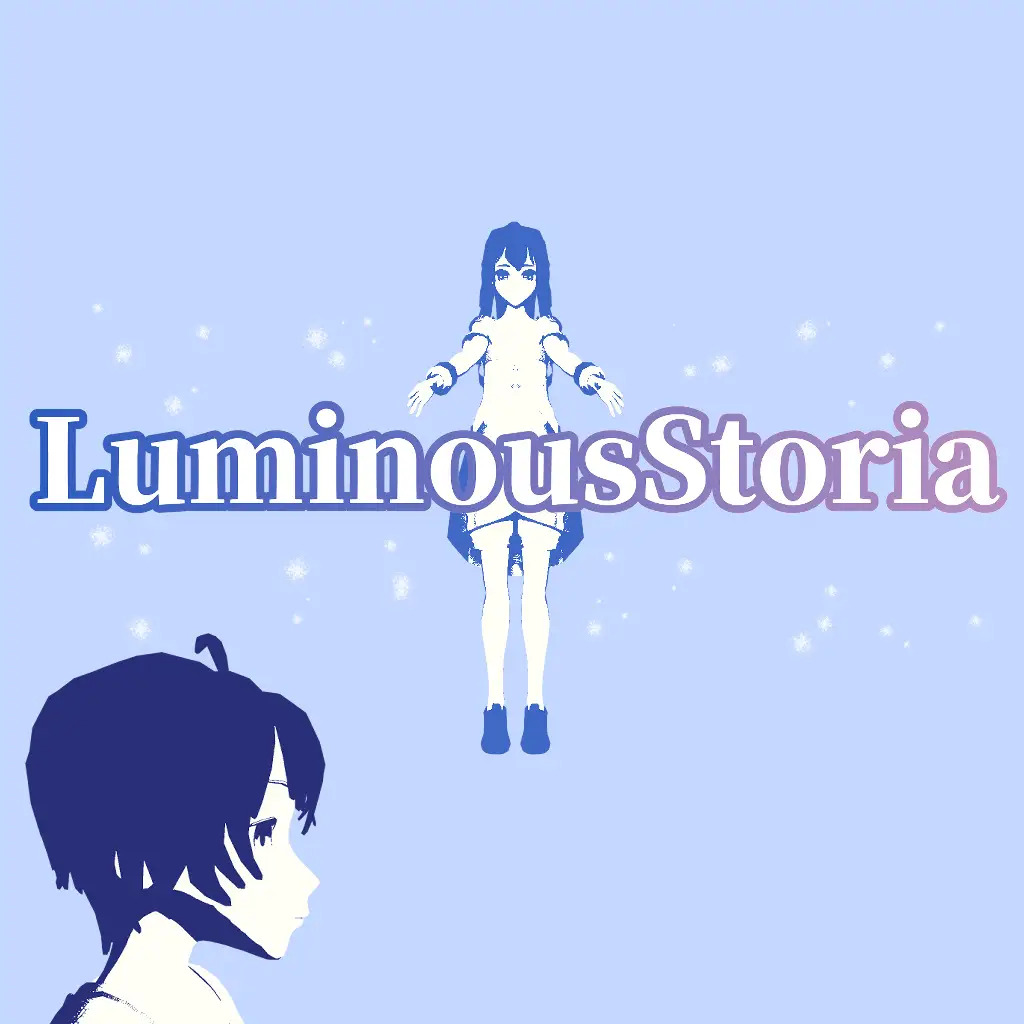
LuminousStoria is a traditional fantasy role-playing game that places story, character progression, and world-building at the centre of its design. In an era where many RPGs chase scale through endless checklists or lean heavily into spectacle, LuminousStoria instead opts for a more measured approach. It focuses on atmosphere, gradual narrative development, and systems that reward steady engagement rather than constant escalation. The result is a game that feels deliberately paced and thoughtfully constructed, even if it occasionally struggles to distinguish itself from the genre’s more familiar conventions.
From the outset, LuminousStoria presents itself as a classic journey-driven RPG. You are introduced to a world shaped by light and shadow, where history, magic, and conflict intertwine in ways that slowly reveal themselves through exploration and dialogue. The game is not interested in rushing the player. Instead, it encourages immersion through careful world-building and a sense of place that grows stronger the longer you remain within it.
A world built on lore and atmosphere
One of LuminousStoria’s strongest qualities is its commitment to world-building. The setting feels cohesive, with towns, landscapes, and dungeons all contributing to a broader sense of history. Rather than overwhelming the player with exposition, the game gradually feeds information through conversations, environmental details, and quest context.
This approach makes the world feel lived-in. Locations are not just backdrops for combat encounters, but spaces with narrative weight. NPCs often reference local events or historical conflicts, reinforcing the idea that the world exists independently of the player’s actions. While the overarching narrative follows familiar fantasy beats, the attention to detail helps elevate it beyond a simple hero’s journey.
That said, players looking for radical twists or subversions of genre tropes may find the story predictable in places. LuminousStoria is more comfortable refining established ideas than reinventing them. Its strength lies in execution rather than originality.
Narrative pacing and character development
The story unfolds at a steady, deliberate pace. Early hours focus on establishing the central conflict and introducing key characters, while later chapters gradually expand the scope of the narrative. There is a clear emphasis on character relationships, with party members receiving meaningful development through optional dialogue and story events.
Character writing is competent and occasionally compelling, particularly when it explores themes of responsibility, sacrifice, and the burden of legacy. While not every character is equally memorable, the core cast is well-defined enough to sustain emotional investment across the campaign.
However, the restrained pacing may test the patience of players accustomed to more cinematic RPGs. Major plot developments can feel spaced out, and some story beats take time to reach their payoff. For players who enjoy slow-burn narratives, this will be a strength. For others, it may feel overly cautious.
Combat and gameplay systems
Combat in LuminousStoria adheres closely to traditional RPG mechanics. Battles are turn-based, with an emphasis on party composition, ability management, and tactical decision-making. The system is easy to understand but offers enough depth to remain engaging as enemy encounters grow more complex.
Abilities are clearly defined, and progression is steady rather than explosive. New skills unlock at a measured pace, encouraging players to experiment without overwhelming them. There is satisfaction in gradually refining your party’s strategy, especially during tougher encounters where preparation and smart resource use matter.
That said, combat rarely surprises. Enemy variety is serviceable but limited, and encounters can become repetitive during longer stretches of exploration. While boss fights offer more interesting challenges, standard battles sometimes feel like obstacles rather than opportunities for creative play.
Exploration and quest design
Exploration is a key pillar of the experience. LuminousStoria’s environments are designed to encourage wandering, with hidden paths, optional areas, and side quests scattered throughout the world. These optional activities often provide additional lore or character moments, reinforcing the game’s narrative focus.
Side quests vary in quality. Some offer meaningful insight into the world or its inhabitants, while others fall into more routine tasks. The best quests are those that tie directly into the game’s themes, adding emotional context rather than simply rewarding experience points or items.
Traversal is generally smooth, though movement can feel slightly rigid at times. This is not a game built around fast travel and instant gratification; instead, it expects players to take their time and absorb their surroundings.
Visual presentation and art direction
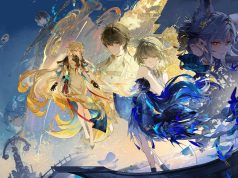
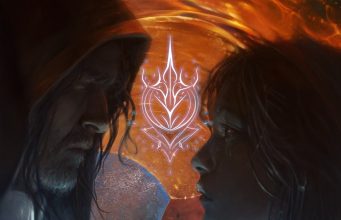
Visually, LuminousStoria leans toward a soft, stylised fantasy aesthetic. Lighting plays a significant role, with glowing effects and contrasting shadows reinforcing the game’s thematic focus on light and darkness. Character designs are expressive without being exaggerated, and environments strike a balance between beauty and functionality.
While the visuals are appealing, they are not technically cutting-edge. Textures and animations are competent but occasionally modest, particularly during less important scenes. However, the art direction ensures consistency, and the game’s visual identity remains cohesive throughout.
Audio and musical score
The soundtrack is one of LuminousStoria’s quiet highlights. Music is used sparingly but effectively, enhancing emotional moments without overpowering them. Town themes are warm and inviting, while combat tracks build tension without becoming intrusive.
Sound effects are functional, providing clear feedback during combat and exploration. Voice acting, where present, is serviceable but limited, placing greater emphasis on text-based storytelling. This aligns with the game’s traditional RPG sensibilities, though some players may wish for more voiced dialogue during key scenes.
Progression and longevity
Progression in LuminousStoria is steady and rewarding without being flashy. Character growth feels earned, and the game avoids the trap of excessive stat inflation. This makes long-term play more manageable, but it also means progression lacks dramatic spikes that might excite players seeking constant power increases.
In terms of longevity, the main campaign offers a substantial experience, particularly if players engage with side content. Replay value is moderate; while multiple playstyles are possible, the narrative structure does not change significantly across runs.
Verdict
LuminousStoria is a carefully constructed fantasy RPG that values atmosphere, narrative consistency, and traditional design principles. It does not attempt to redefine the genre, but it executes its ideas with care and confidence. Its world-building is engaging, its combat systems are reliable, and its pacing rewards patience and immersion.
However, its conservative approach also limits its impact. Combat repetition, predictable story beats, and restrained progression prevent the game from truly standing out among modern RPGs. For players who appreciate classic role-playing experiences and are willing to invest time in a slow-burn narrative, LuminousStoria offers a satisfying journey. Those seeking innovation or high-intensity spectacle may find it too understated.