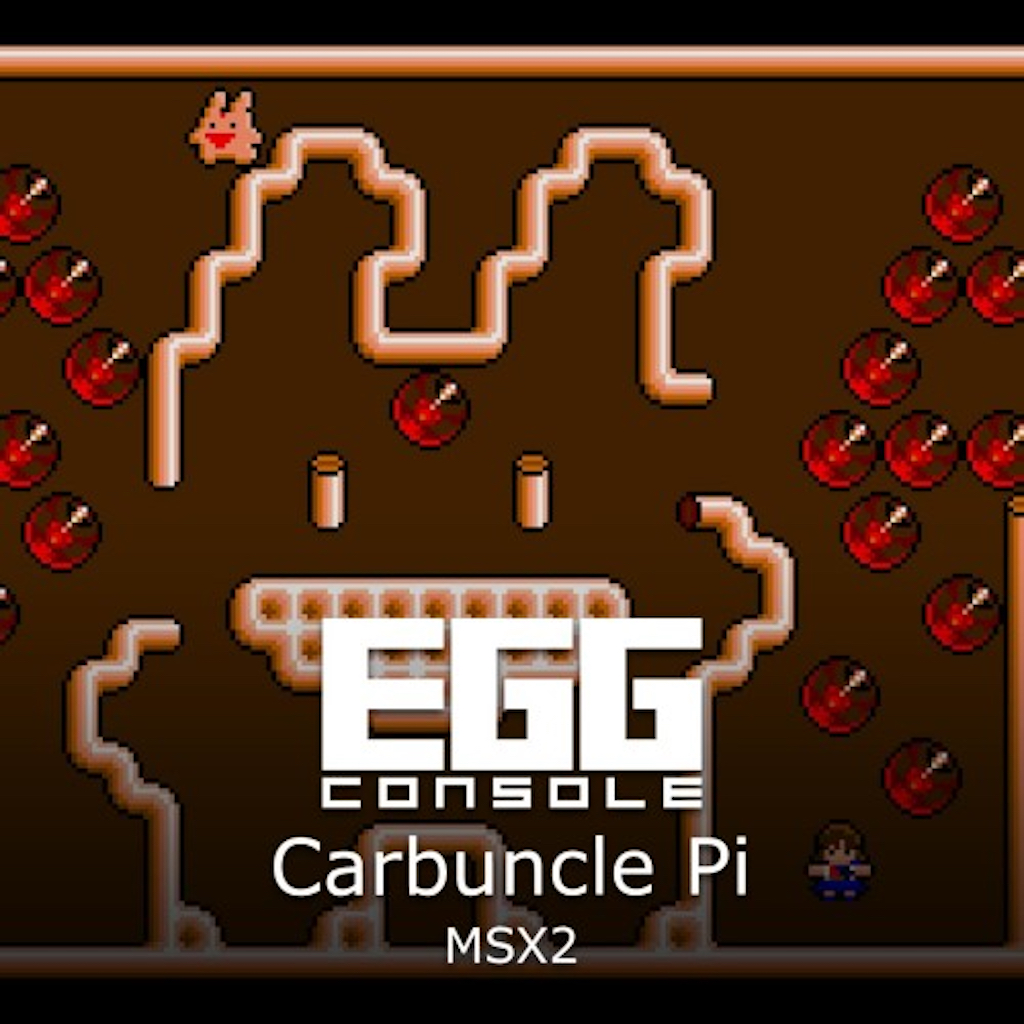
EGGCONSOLE Carbuncle Pi MSX2 is an intriguing entry in the retro gaming resurgence: a digital collection of classics tuned for contemporary play on modern systems. Part of the broader EGGCONSOLE line, this release celebrates the influential MSX2 era—a time when unique hardware constraints inspired innovative design and memorable experiences. But nostalgia alone cannot carry a product; the challenge for any retro compilation is to honour legacy while offering quality and accessibility that holds up today.
In this review, we’ll explore how Carbuncle Pi MSX2 balances heritage with modern expectations, survey its presentation, examine the included titles and their relevance, and ultimately assess whether this is a must-own package for retro enthusiasts or simply a niche curiosity.
A curated look back at MSX2 roots
The MSX2 was a distinctive platform in computing and gaming history, notable for its expanded graphics capabilities compared with its predecessor and a roster of unique software that ranged from action titles to exploratory adventures. EGGCONSOLE Carbuncle Pi MSX2 taps into this heritage with a selection of titles representative of the era, aiming to deliver the authentic look and feel of the original hardware while smoothing out the rough edges that can deter modern play.
Carbuncle Pi MSX2 is not merely an emulator with a menu; it is a curated experience. The interface and presentation are designed to evoke the MSX2 ecosystem without overwhelming players new to the era. The result is a bridge between past and present: playable emulation that recognises the source while acknowledging contemporary expectations around usability.
Presentation and interface
At first glance, the presentation is as simple as retro compilations get: a launcher, a list of titles, and a handful of configuration options. This might seem minimal, but it aligns with the overall philosophy of the project. Rather than fuss with overlays, wraparound visuals, or animated galleries, Carbuncle Pi MSX2 lets the games themselves take centre stage.
Menus are clean and functional, and the transition from launcher to game is swift. Players can adjust display settings, controller mappings, and basic visual filters with relative ease, giving some control over how the classic games appear on modern screens. While the settings are not as exhaustive as some high-end retro frontends, they cover the essentials, and they are organised intuitively.
Sound is handled through basic emulation of the original audio hardware, preserving that distinctive chiptune charm. There are no modern remixes or added soundtracks—purists will appreciate the fidelity, but players accustomed to enhanced audio options might feel the presentation is stripped to the bones.
Title selection: breadth versus depth
The heart of any retro compilation is its library. Carbuncle Pi MSX2‘s roster includes a mix of well-known favourites and lesser-remembered gems. This blend is both a strength and weakness: while the variety keeps the collection interesting, it also means that not every title lands with equal impact.
Highlights include arcade classics that demonstrate why the MSX2 remains fondly remembered. These games hold up surprisingly well, with crisp pixel art, tight input response, and design philosophies that are still compelling decades after their release. For purists, discovering or revisiting these titles in their “authentic” state is undeniably enjoyable.
But the less distinguished games remind you why many retro systems faded into obscurity. Some entries feel sluggish, poorly balanced, or awkward by modern standards. These titles can be fascinating from a historical perspective, but they are rarely fun in a sustained way. When played back-to-back with stronger entries, they expose the uneven nature of MSX2’s software ecosystem.
What the bundle lacks is broader context. Unlike some compilations that include developer interviews, retrospectives, or documentary materials, Carbuncle Pi MSX2 offers little interpretive framing. For newcomers, this means appreciating some titles can require background knowledge of why certain mechanics or designs were innovative at the time.
Gameplay and emulation quality
Emulation fidelity is critical in a collection like this, and Carbuncle Pi MSX2 generally delivers. Load times are swift, controls are responsive, and screen scaling preserves pixel integrity without excessive blurring or distortion. The input mapping works well with modern controllers, and for most games the default configuration feels intuitive.
That said, retro collections always balance accuracy and comfort. Carbuncle Pi MSX2 errs closer to authenticity, including quirks and behaviours inherent to the original hardware. For example, some games run at lower frame rates or exhibit sprite flicker that would have been familiar on CRT displays but feels out of place on a modern LCD or OLED screen. These faithful representations will thrill hardcore retro fans while potentially frustrating players expecting polished performance.
One area where the emulation shines is sound reproduction. The characteristic tonal qualities of MSX2 sound chips are preserved well, delivering satisfaction for ears attuned to this style. However, there are no optional modern sound enhancements, so players seeking remastered audio will need to look elsewhere.
Accessibility and quality-of-life features
Carbuncle Pi MSX2 includes a handful of quality-of-life features that matter for contemporary play: save states, quick reset options, and configurable display filters that approximate CRT effects. These additions are appreciated, particularly for games that originally lacked pause functionality or quick restarts.
Save states are especially useful, since many classic titles were not designed for the extended play sessions expected today. With this feature, players can stop and start without losing progress—transforming potentially frustrating runs into manageable sessions.
Despite these conveniences, the bundle still leans toward players who value authenticity. There are no modern achievements, skill tutorials, or difficulty scaling. That design choice makes sense in context but reinforces the collection’s niche appeal.
Modern expectations versus retro reality
One of the perennial questions for retro compilations is whether they should preserve history or reinterpret it. Carbuncle Pi MSX2 clearly favours preservation. That means sacrificing some modern comforts—smooth frame interpolation, enhanced graphics modes, or dynamic difficulty balancing—in favour of fidelity to the original experience.
For veteran players or aficionados of retro gaming, this choice feels respectful. There is pleasure in seeing pixel art exactly as it was, hearing audio precisely as composers intended, and experiencing mechanics in their original form. For younger players or those without nostalgic investment, some of these designs can feel dated or awkward, highlighting why certain conventions have evolved over time.
Verdict
EGGCONSOLE Carbuncle Pi MSX2 is a retro compilation with a clear identity: it honours an influential platform with faithful emulation, a curated selection of titles, and thoughtful—but not flashy—usability features. The strength of the bundle lies in its celebrations of MSX2’s unique heritage and the joy of rediscovery for long-time fans.
However, its commitment to authenticity can also be its limitation. Without extensive contextual material or modernised renderings, its appeal skews toward retro enthusiasts rather than general audiences. The included games vary in quality, and newcomers may need patience to appreciate why some entries are fondly remembered.
Ultimately, Carbuncle Pi MSX2 is best understood as a tribute to the quirks, creativity, and occasional imperfections that defined its era. For players who enjoy historical context, classic design, and unfiltered retro mechanics, it offers satisfying value. For others seeking broader polish or contemporary pacing, it may feel uneven.