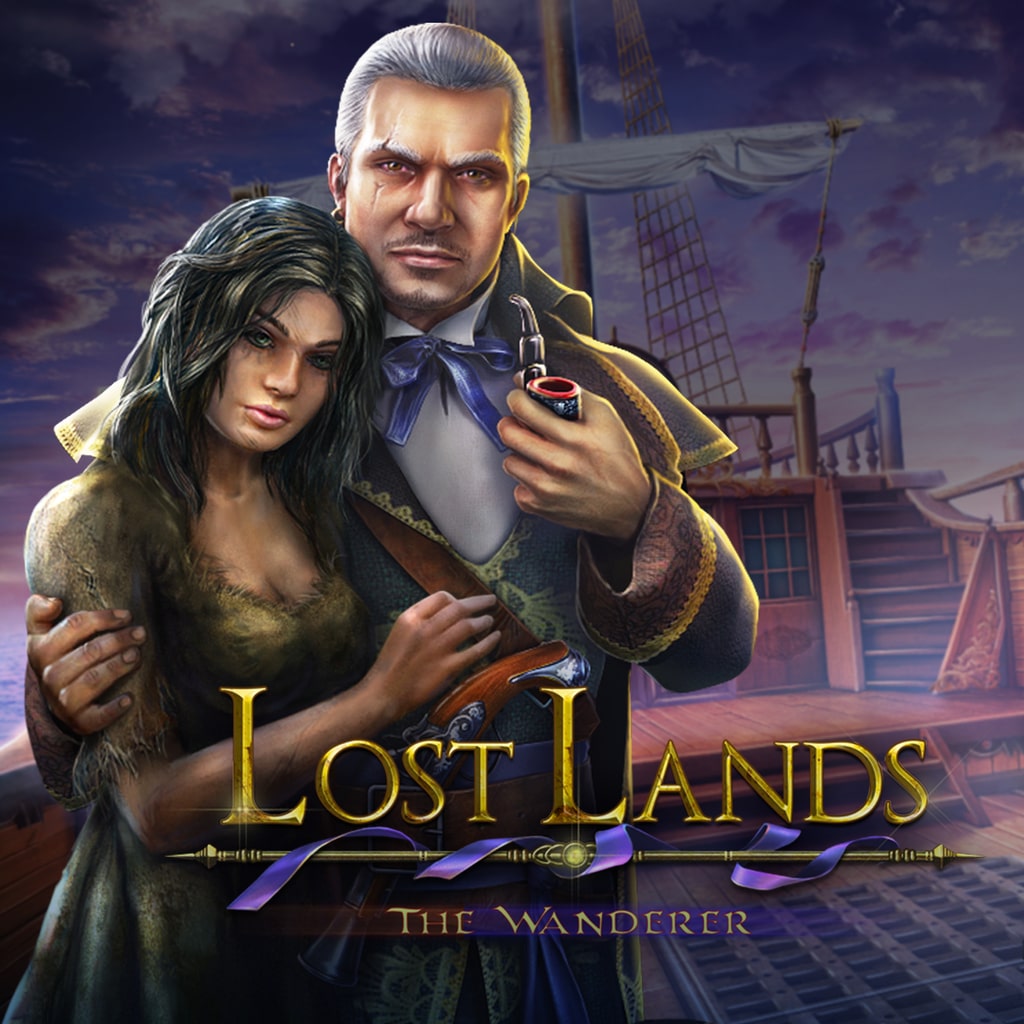
Lost Lands 4: The Wanderer marks a pivotal entry in the long-running fantasy adventure series, shifting the narrative focus while refining many of the systems introduced in earlier games. While it retains the familiar hidden-object adventure framework, this fourth instalment places greater emphasis on character-driven storytelling, environmental cohesion, and puzzle variety. The result is a more mature, methodical experience that feels less episodic and more like a carefully constructed journey through a living, troubled world.
Rather than centring solely on a single magical catastrophe, The Wanderer explores themes of exile, responsibility, and the lingering consequences of past actions. It is a slower, more reflective chapter in the series, but one that benefits from its deliberate pacing and narrative ambition. For fans of story-led puzzle adventures, this entry represents a notable evolution of the Lost Lands formula.
Story and Setting
The narrative of Lost Lands 4: The Wanderer revolves around a mysterious outcast known only as the Wanderer, whose actions and history are deeply entwined with the fate of the realm. As Susan, players are drawn into a web of forgotten legends, fractured loyalties, and unresolved conflicts that stretch across multiple regions of the Lost Lands.
Unlike earlier entries that relied heavily on overt magical threats, The Wanderer adopts a more subdued approach. The danger here is quieter but no less significant, rooted in long-standing imbalance and unresolved guilt. This gives the story a more grounded emotional tone, with characters driven as much by regret and duty as by heroism.
The environments reflect this narrative shift. Locations include desolate plains, abandoned settlements, ancient ruins, and secluded sanctuaries that feel worn by time rather than overtly cursed. Each area carries a sense of history, reinforcing the idea that the world has been shaped by choices long before the player arrives.
Gameplay and Core Mechanics
At its foundation, Lost Lands 4 remains a hidden-object adventure game, built around exploration, item collection, and puzzle-solving. Players move between illustrated scenes, interact with characters, and gather objects needed to progress. Hidden-object scenes are frequent and well integrated, providing a steady flow of items without overwhelming the experience.
Object placement is logical and thematically consistent. Items feel like natural parts of the environment rather than arbitrary inclusions, encouraging careful observation instead of random clicking. Optional hint systems are available, but the game is balanced well enough that most puzzles can be solved without assistance.
Beyond hidden-object scenes, The Wanderer offers a broad range of puzzles. These include mechanical devices, logic challenges, pattern-based problems, and inventory-driven tasks. Puzzle difficulty is moderate, with solutions typically grounded in visual cues or narrative context. The game respects the player’s ability to reason, rarely resorting to overly obscure logic.
Exploration and World Structure
Exploration in Lost Lands 4 is more cohesive than in some earlier entries. Areas are interconnected in a way that feels purposeful, and backtracking is used as a storytelling and gameplay tool rather than filler. Players often revisit locations with new information or tools, uncovering layers of meaning that were previously inaccessible.
Fast-travel options help maintain momentum, reducing unnecessary repetition while preserving the sense of scale. The map design encourages players to think spatially about the world, reinforcing immersion and narrative continuity.
Environmental storytelling is a particular strength here. Subtle visual details—crumbling architecture, abandoned personal items, altered landscapes—convey story beats without relying on exposition. This approach strengthens engagement and rewards attentive players.
Visual Presentation
Visually, Lost Lands 4: The Wanderer adopts a restrained but detailed art style. The colour palette leans toward earthy tones and muted hues, reinforcing the game’s more contemplative tone. Environments are richly illustrated, with careful attention to texture and lighting that enhances mood without cluttering scenes.
Character designs are stylised yet expressive, conveying emotion through posture and facial cues rather than animation-heavy sequences. While animations are limited, they are used sparingly and effectively, ensuring that presentation remains consistent with the genre’s strengths.
The interface is clean and intuitive. Inventory management is straightforward, interactive elements are clearly highlighted, and menus are easy to navigate. These usability improvements help keep the focus on exploration and puzzle-solving rather than interface management.
Audio and Atmosphere
Audio design plays a subtle but important role in establishing atmosphere. The soundtrack is understated, favouring ambient melodies and soft orchestration that support exploration and emotional beats. Music shifts gently depending on location and story context, reinforcing mood without dominating attention.
Sound effects are minimal but effective. Environmental sounds—wind through ruins, distant echoes, soft magical hums—add texture to the world. Voice acting appears in key moments and is generally competent, lending personality to characters without overwhelming the experience.
Overall, the audio complements the game’s reflective tone, enhancing immersion rather than pushing dramatic intensity.
Pacing and Length
Lost Lands 4 offers a substantial amount of content, with a main campaign that unfolds at a measured pace. The game avoids rushing players through objectives, instead allowing the story and puzzles to breathe. This deliberate pacing suits the narrative focus but may feel slow to players accustomed to faster progression.
Optional bonus content extends the experience, providing additional context and challenges that feel meaningful rather than tacked on. The overall length encourages play across multiple sessions, rewarding patience and sustained engagement.
Replayability and Longevity
Replay value is moderate. The primary appeal lies in narrative discovery and puzzle-solving during the first playthrough. Completionists may revisit the game to uncover missed collectibles or refine puzzle solutions, but there are limited incentives for repeated full playthroughs.
That said, the game’s strong storytelling and atmosphere make it an enjoyable experience to revisit after some time, particularly for fans of the series.
Strengths and Weaknesses
Strengths
- Strong, character-driven narrative
- Cohesive world design with effective environmental storytelling
- Varied and well-balanced puzzles
- Atmospheric visuals and audio
- Thoughtful pacing that suits the story
Weaknesses
- Limited innovation beyond genre conventions
- Static presentation in places
- Slower pacing may not appeal to all players
Final Verdict
Lost Lands 4: The Wanderer is a confident and introspective entry in the hidden-object adventure genre. By focusing on character, consequence, and world-building, it elevates the series beyond simple fantasy spectacle. While it doesn’t radically reinvent its mechanics, it refines them in service of a more cohesive and emotionally grounded experience.
For players who enjoy story-driven puzzle adventures and are willing to invest time in a slower, more reflective journey, The Wanderer stands as one of the more thoughtful chapters in the Lost Lands series.