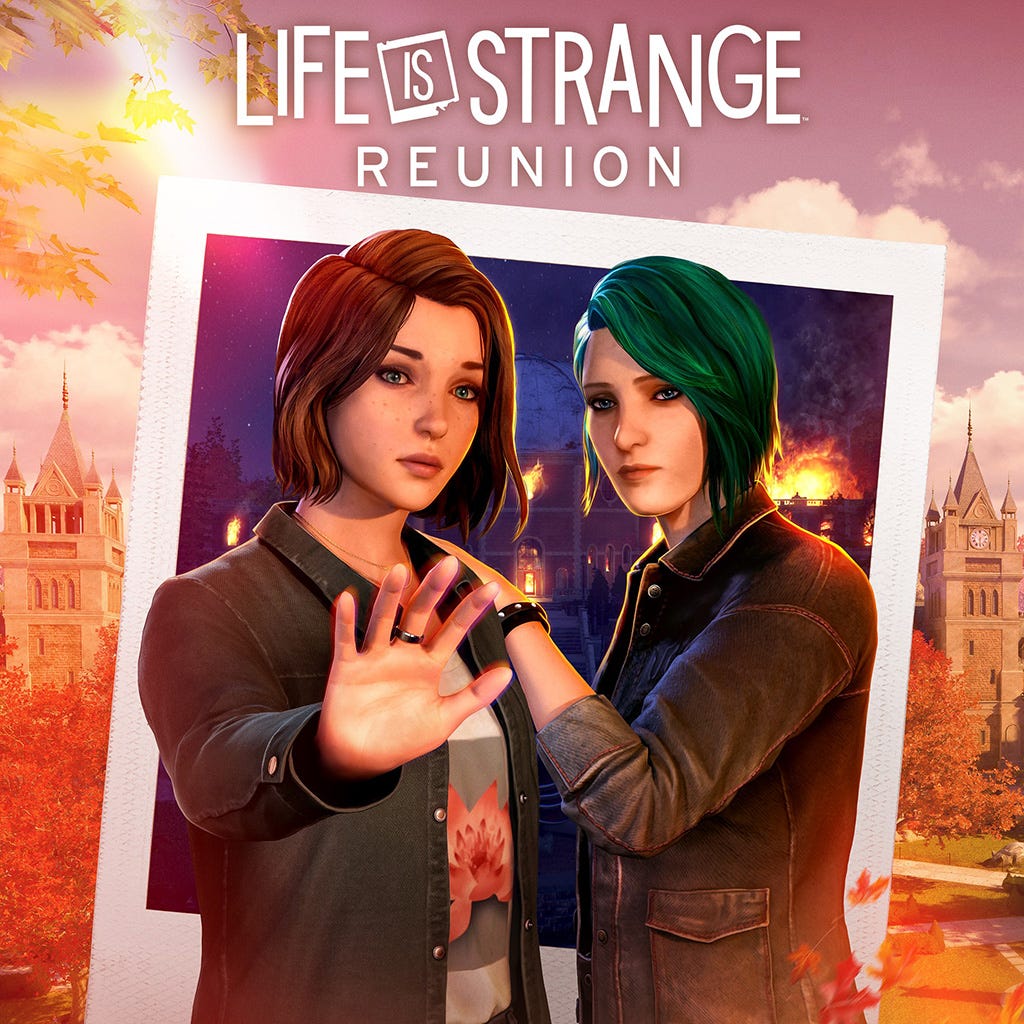
Few series driven by storytelling match the emotional depth of Life is Strange. Since its debut, it has built a reputation not only for its choice-based approach but also for masterfully blending supernatural elements with themes that resonate deeply—grief, identity, friendship, and the far-reaching consequences of our actions. With Life is Strange: Reunion, Deck Nine Games faces the formidable challenge of delivering a fitting conclusion to the story of Max and Chloe.
This finale aims high, striving to weave together years of narrative threads, the choices players have made, and a wide range of emotions. For the most part, it delivers on its promise. Yet it is not without its struggles and imperfections.
A Reunion That Carries Weight
From the outset, Reunion emphasises the importance of its central relationship. Max and Chloe are more than recurring characters; they are the emotional core of the series, and their reunion is handled with the care it deserves. Time has passed, and it shows. Both characters appear older and more burdened, shaped by the weight of past events. Their dynamic feels familiar yet evolved. There’s warmth, tension, and unresolved pain woven into their interactions, creating a genuinely heartfelt connection.
The storytelling shines brightest in these quieter moments. Conversations between Max and Chloe carry a depth of history that few games portray so naturally. It’s not just about what they say; it’s about what they leave unsaid—the pauses, the hesitations. For long-time fans, this is where Reunion truly touches the heart.
A Story on a Clock
Structurally, the game unfolds over a tense three-day countdown as Max and Chloe race against time to prevent a devastating fire from consuming Caledon University. It follows a familiar Life is Strange pattern—an impending disaster and a ticking clock—but feels more tightly focused and purposeful than previous entries. Releasing the story as a complete experience rather than in episodes improves the overall pacing, keeping the momentum steady and tight and allowing the narrative to breathe and resonate more deeply.
Switching between Max and Chloe adds a layer of richness to the story. Each character brings a unique perspective, not only in how their stories are told but also in how gameplay unfolds. This dual-protagonist approach lets the game explore different facets of the same events, creating a layered, more dynamic story that offers a fuller sense of each character’s experience and emotion.
Powers and Perspective
Max’s rewind ability returns and remains one of the series’ most captivating mechanics. The ability to undo decisions, revisit conversations, and influence outcomes creates a sense of agency that few narrative games can match.
In Reunion, this power is woven more seamlessly into both puzzles and dialogue. Environmental obstacles often prompt you to think across timelines, while conversations can be subtly yet significantly reshaped, adding depth and emotional resonance.
Chloe offers a different flavour of gameplay. Her “Backtalk” mechanic returns, emphasising confrontation and quick wit over manipulation. It’s less about changing time and more about navigating social dynamics through sharp, often tense dialogue that can either escalate conflicts or bring calm.
The contrast between these two playstyles highlights their characters. Max seeks control and understanding, trying to make sense of her world. Chloe, by contrast, confronts situations head-on and reacts instinctively. Together, they form a dynamic that keeps the gameplay rich, engaging, and emotionally meaningful.
Choices That Matter… Mostly
Choice has always been a cornerstone of Life is Strange, and Reunion stays true to that spirit. The decisions players make shape relationships, ripple through events, and ultimately determine who survives the escalating crisis. For much of the game, these choices feel genuinely meaningful. Conversations branch in intriguing ways, and even small decisions carry weight, with clear, visible consequences. The game does a good job of making you feel responsible for the outcomes, adding a real sense of emotional investment.
But as the story rushes towards its climax, that feeling of agency starts to fade. Key moments converge, and although your choices still influence the details, the overall direction begins to feel more predetermined. This isn’t unusual in the genre, but it can create a slight sense of disconnect between the game’s initial promise of control and the reality of how things unfold in the end.
Themes of Memory and Consequence
If the original Life is Strange explored the pain of changing the past, Reunion delves into the difficulty of living with those changes. Memory becomes a vital element, especially for Chloe, who is haunted by fragmented recollections and impossible overlaps of timelines. These elements lend the story psychological depth, blurring the lines between what is real and what is perceived.
The game examines how trauma persists, how relationships are tested under pressure, and how hard it can be to move on when the past keeps resurfacing. It’s not always subtle, but it is powerfully effective. At its core, Reunion feels like a meditation on consequences — not just the immediate results of choices, but how they shape our identity and relationships over time.
Presentation and Atmosphere
Reunion marks a substantive step forward for the series. The character models now convey more emotion, and the environments are richly detailed, creating a more cinematic feel overall. Caledon University serves as a captivating setting, blending cosy, intimate spaces with larger, more dynamic areas. As the threat of the fire looms, the atmosphere shifts, becoming increasingly tense and oppressive.
The soundtrack remains a standout feature. A thoughtful blend of original music and licensed tracks provides a powerful emotional underpinning, elevating key moments without overshadowing them. Music has always played a crucial role in Life is Strange, and Reunion continues that heartfelt tradition with finesse.
Where It Falters
Despite its many strengths, Reunion is not without its flaws. The dual-protagonist setup, while captivating, can sometimes disrupt the story’s flow. The sudden shifts in perspective can feel jarring, especially when one storyline is more engaging than the other. There’s also an impression that the game tries to do too much at once. Balancing a high-stakes disaster narrative with deeply personal character journeys is no easy feat, and as a result, some threads don’t receive the attention they deserve.
The ending is undeniably powerful and emotionally resonant, yet it might not leave everyone completely satisfied. As a so-called definitive conclusion, it carries lofty expectations that are difficult to meet, especially given the series’ history of player-driven outcomes.
Final Verdict
Life is Strange: Reunion is an ambitious, emotionally resonant finale that honours its characters and their journeys, even if it doesn’t tie up every loose end. Its most powerful moments are often its quietest — conversations rich with history, choices that carry real weight, and a relationship that feels truly authentic. The dual-protagonist setup adds depth, and bringing back Max’s rewind mechanic keeps the gameplay engaging and fresh.
Yet sometimes the game’s bold ambitions work against it. Different storylines jostle for attention, player agency narrows as the game nears its end, and the desire to provide a satisfying conclusion leads to compromises that are hard to avoid. Still, Reunion succeeds where it matters most. It captures the heart of what made Life is Strange so special — the blend of the extraordinary with the deeply personal. For fans of Max and Chloe, it offers a farewell that’s worth experiencing.