Horror games often depend on familiar tricks—scarcity of resources, grotesque enemies, or the constant presence of death just around the corner. But occasionally, a title emerges that strips all of that away, asking a more unsettling question:
What if nothing is chasing you… and you still feel unsafe?
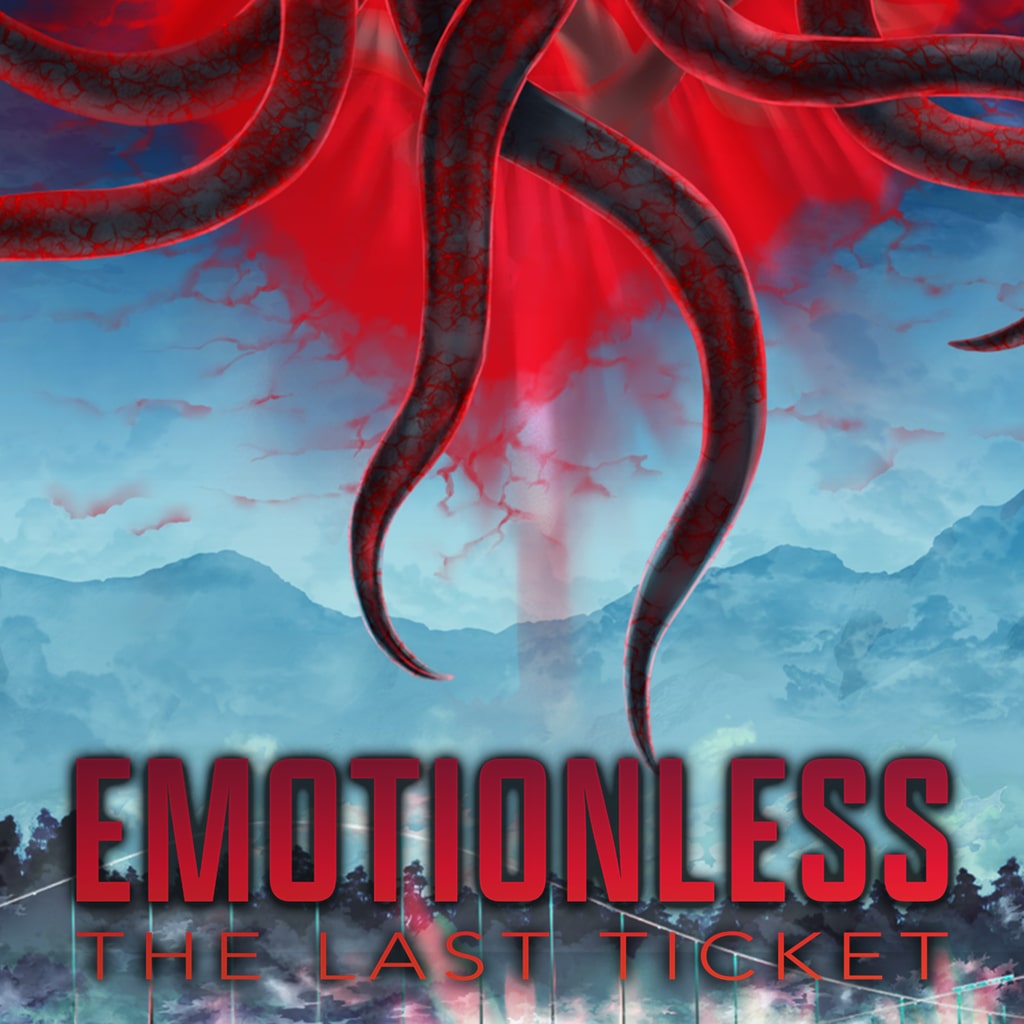
This forms the unsettling core of EMOTIONLESS: The Last Ticket, a psychological horror experience that replaces combat with atmosphere, tension, and slow-building dread. Originally launched on PC in late 2025 and now coming to consoles, it positions itself solidly within the “walking horror” subgenre—but with enough unique elements to stand out.
This is not a game about survival.
It is a game about disorientation.
A Park That Shouldn’t Exist
You play as James Anderson, returning to the abandoned amusement park once built by your father—a man who mysteriously vanished within its grounds.
At first glance, the setting feels familiar: rusted rides, peeling paint, empty pathways.
But it doesn’t take long before something feels… off.
In EMOTIONLESS: The Last Ticket, the environment itself becomes the primary antagonist. This world is inspired by liminal spaces—those uncanny, transitional areas that feel both familiar and deeply wrong.
Hallways stretch longer than they should. Rooms loop back on themselves. Doors lead to places that defy logic.
And perhaps most unsettling of all:
The game never acknowledges it.
There’s no narrator explaining what’s happening. No character reacting with panic. The silence compels you to sit with the unease, making every step forward feel like a mistake.
Horror Without Threat
The most defining feature of EMOTIONLESS: The Last Ticket is its complete absence of combat.
There are no enemies to fight. No weapons to gather. No fail states in the traditional sense.
Instead, the game builds tension through:
- Environmental storytelling
- Audio design
- Spatial distortion
- Psychological discomfort
This design choice won’t be for everyone.
Players expecting something closer to Resident Evil Village or even Outlast may find the experience slow—or even uneventful.
But for those willing to engage with its pacing, the reward is a uniquely immersive kind of horror.
You’re not afraid of dying.
You’re afraid of understanding.
The Power of Liminal Design
What truly elevates the experience is the game’s dedication to its visual and spatial identity.
The amusement park isn’t merely a backdrop—it’s a shifting, almost sentient entity.
At times, it feels as though the game is actively working against your perception:
- Maps become unreliable
- Landmarks subtly change
- Familiar paths lead somewhere new
This creates a constant feeling of instability.
You’re never fully oriented. Never completely comfortable.
And that’s precisely the point.
The rides themselves are a highlight. Each attraction offers a self-contained sequence that combines narrative, visual spectacle, and psychological tension.
They’re not “levels” in the traditional sense—they’re experiences, each revealing a little more about the park, your father, and the reality (or unreality) you’re caught in.
Puzzle Design That Feels Grounded
While the game leans heavily into abstraction, its puzzles remain surprisingly tactile.
You’ll interact with:
- Rusted levers
- Broken machinery
- Mechanical systems tied to the park’s infrastructure
These puzzles are rarely challenging, but they serve a vital purpose: grounding the player.
In a world where nothing makes sense, the physicality of these interactions offers a fleeting sense of control.
You may not understand where you are — but at least you know how to pull a lever.
Audio: The Invisible Threat
If the visuals create unease, the audio design is what truly gets under your skin.
The game uses sound with surgical precision:
- Distant mechanical hums
- Echoing footsteps that don’t match your own
- Faint whispers that may or may not be real
Silence is just as important.
Long stretches without any sound make even the smallest noise feel significant.
It’s a masterclass in restraint.
Narrative: Fragmented but Intriguing
The story of EMOTIONLESS: The Last Ticket is delivered through environmental clues, audio logs, and subtle visual storytelling.
It’s not a linear narrative.
Instead, it’s something you piece together over time:
- Your father’s obsession with the park
- The circumstances surrounding his disappearance
- The possibility that something beyond human understanding is at play
The ambiguity won’t satisfy everyone.
Some players may walk away with more questions than answers.
But for others, that lingering uncertainty is part of the appeal.
Console Performance & Enhancements
With its release on PlayStation 5 and Xbox Series X|S, the game benefits from:
- Improved lighting and shadow detail
- Smoother performance
- Faster load times
These enhancements make a noticeable difference, particularly in a game so reliant on atmosphere.
The console versions feel like the definitive way to experience the game.
Where It Falls Short
Despite its strengths, the game isn’t without its issues.
The main challenge is pacing.
There are moments when the experience feels too slow, with long periods of minimal interaction. For some players, this enhances immersion. For others, it may cause disengagement.
Additionally, the absence of traditional gameplay systems—in a deliberate choice—limits replayability.
Once you’ve explored the park and uncovered its secrets, there’s little reason to revisit it beyond enjoying the atmosphere once more.
Pros
- Deeply immersive liminal horror atmosphere
- Unique, combat-free design that emphasizes psychological tension
- Excellent audio design and environmental storytelling
- Creative, reality-warping level design
Cons
- Very slow pacing may not appeal to all players
- Minimal replay value
- Narrative ambiguity may feel unsatisfying to some
Final Verdict
EMOTIONLESS: The Last Ticket offers a bold and uncompromising approach to psychological horror.
It dismisses traditional mechanics in favour of something far more subtle—and, at times, even more unsettling.
This isn’t a game about action or survival.
It’s about atmosphere, perception, and the quiet terror of being somewhere that doesn’t make sense.
For players willing to embrace its slow pace and abstract storytelling, it provides a haunting, memorable experience.
For others, it might feel like a beautifully crafted—but ultimately uneventful—walk through a nightmare.
Either way, it’s a game that stays with you.
And sometimes, that’s the scariest thing of all.