There’s a particular niche within modern gaming that rarely grabs headlines but consistently finds a loyal audience: relaxation-focused puzzle management games. These titles aren’t designed to overwhelm players with complexity or adrenaline. Instead, they aim to create a steady rhythm — solve a puzzle, watch progress unfold, repeat — offering comfort through structure and gentle progression.
Destiny Powers: Dwarven Town, developed by Graphium Studio and published on consoles by Ocean Media, arrives on Nintendo Switch following its 2025 PC debut. As the sequel to Destiny Powers: Dwarven Descent, it expands the formula by shifting focus away from pure excavation toward something more communal: rebuilding civilization itself.
The result is a cozy hybrid of puzzle-solving and town restoration that rarely surprises but frequently soothes — a game less about challenge and more about momentum.
A Kingdom Rebuilt One Puzzle at a Time
The narrative setup is simple but effective. Dark magic has forced a clan of dwarves to abandon their ancestral halls, and your task is to help them construct a new settlement from scratch. Rather than directly managing workers or resources through complex menus, progress is tied entirely to puzzle completion.
Every solved level gathers materials required to rebuild the dwarven city.
This structure gives the game a clear emotional loop:
Solve → Gather → Build → Watch the town grow.
Each new structure visually appears within the settlement hub, gradually transforming a barren landscape into a lively dwarven stronghold. While the story remains light and mostly conveyed through brief dialogue snippets, the visual evolution of the town becomes its own reward system.
You’re not just clearing puzzles — you’re restoring a home.
Hybrid Gameplay That Keeps Things Fresh
Where Dwarven Town distinguishes itself from many Big Fish-style puzzle games is its four distinct gameplay systems, each tied to a resource type:
- Stone Challenges – Classic tile-clearing puzzles emphasizing efficiency.
- Wood Levels – Time-based tasks focused on quick decision-making.
- Gold Puzzles – Strategy-heavy stages requiring planning several moves ahead.
- Magic Rune Trials – More complex logic-oriented puzzles introducing obstacles and layered mechanics.
This variety prevents the experience from falling into monotony too quickly. Just as one style begins to feel repetitive, the campaign rotates mechanics, subtly refreshing the player’s mindset.
The Rune levels deserve special mention. These stages introduce higher difficulty spikes and puzzle modifiers that force players to rethink established habits. They’re clearly designed as skill checks — moments where the game briefly steps beyond relaxation into genuine problem-solving.
Thankfully, failure rarely feels punishing. Restarts are instant, and solutions usually reveal themselves through experimentation rather than strict optimization.
The Joy of Progressive Construction
The town-building layer is where Destiny Powers: Dwarven Town shines brightest.
Instead of passive upgrades unlocking automatically, players choose which buildings to prioritize. Options include:
- The Great Forge, boosting resource efficiency
- The Lunar Brewery, unlocking bonus rewards
- The Rune Archives, enabling magical upgrades
These choices introduce light strategy without overwhelming complexity. You’re gently encouraged to consider long-term benefits while still progressing steadily regardless of decisions.
Watching the settlement evolve is deeply satisfying. Pathways fill with dwarves, structures gain detail, and environmental storytelling subtly emerges. The town begins to feel alive — not because of complex simulation systems, but because progress is consistently visible.
Few mechanics are as motivating as seeing tangible results for your effort, and Dwarven Town understands this perfectly.
A Comfort Game Through and Through
Graphium Studio clearly designed this experience to be calming.
The pacing is deliberately slow and steady. There are no harsh penalties, aggressive timers, or stressful fail states dominating the experience. Even timed levels feel forgiving compared to traditional puzzle games.
This makes the game ideal for:
- Evening wind-down sessions
- Handheld play on Switch
- Casual puzzle fans
- Players seeking low-pressure gameplay
The orchestral soundtrack reinforces this atmosphere beautifully. Gentle strings and melodic fantasy themes create an almost meditative tone, evoking the feeling of rebuilding rather than surviving.
It’s the audio equivalent of a warm blanket — unobtrusive but constantly comforting.
Art Direction: Cozy Fantasy Craftsmanship
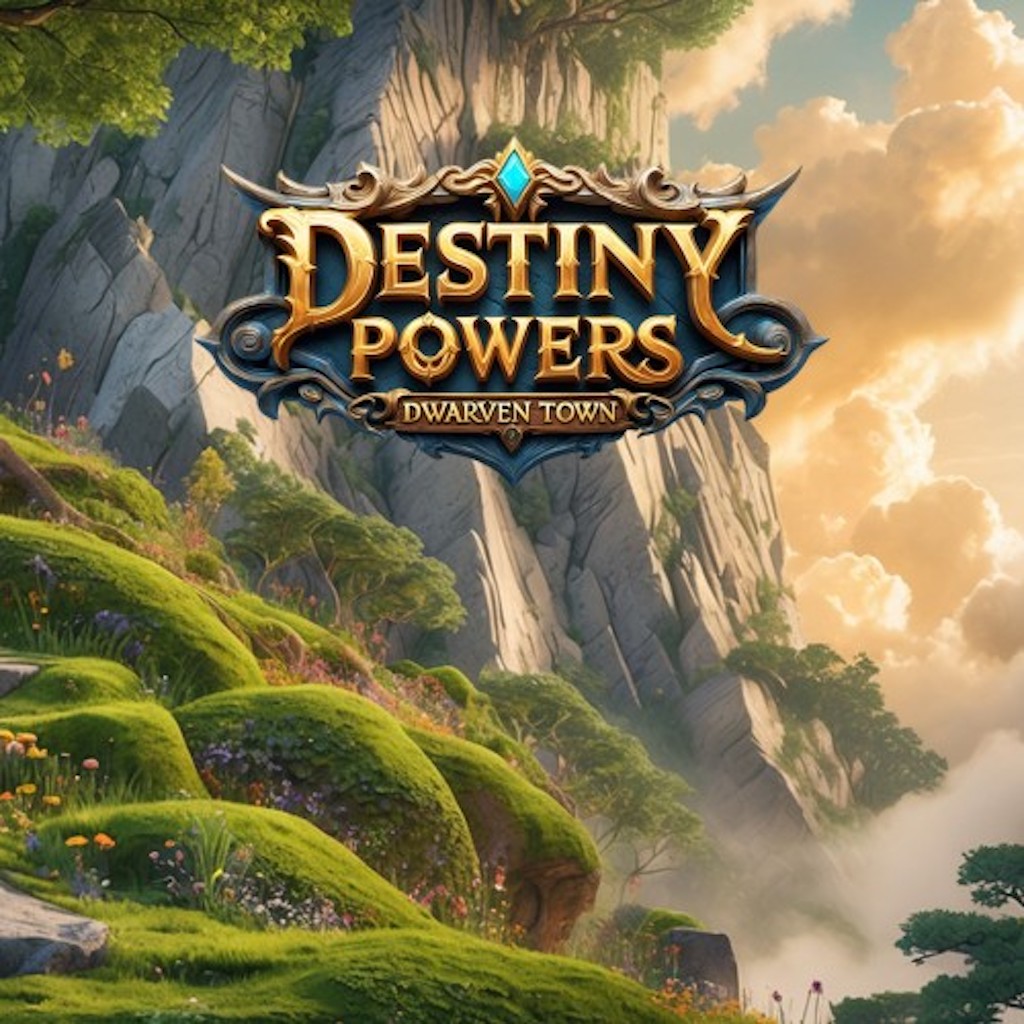
Visually, Destiny Powers: Dwarven Town embraces a hand-painted fantasy aesthetic.
Characters and environments lean into classic dwarven imagery: stonework architecture, glowing runes, mountainous backdrops, and warm torchlight palettes. The art style isn’t technically groundbreaking, but it carries charm and clarity.
On the Nintendo Switch, performance remains stable both docked and handheld. Load times are short, menus are readable, and touch-friendly UI design translates well to portable play.
Animations are minimal but functional, prioritizing readability over spectacle — a smart decision for puzzle-focused gameplay.
Campaign Length and Replay Value
With over 50 levels plus bonus stages, the campaign offers respectable longevity for its budget price.
Completionists will find additional incentive in fully upgrading the town and mastering harder Rune challenges. However, replayability largely depends on personal enjoyment of the core puzzles rather than systemic depth.
Once mechanics are learned, surprises become rare. The game evolves gradually rather than dramatically.
Still, its length feels appropriate — long enough to feel complete without overstaying its welcome.
Where the Foundation Cracks
Despite its charm, Destiny Powers: Dwarven Town isn’t without shortcomings.
Limited Innovation
While the hybrid puzzle systems add variety, none feel particularly new. Veteran puzzle players will recognize familiar mechanics throughout.
Low Narrative Stakes
The story functions mostly as background flavor. Players seeking character-driven storytelling may find the narrative underdeveloped.
Difficulty Balance
Rune stages occasionally spike sharply compared to earlier levels, creating uneven pacing that briefly disrupts the otherwise relaxed flow.
Minimal Strategic Depth
Town-building choices provide satisfying visuals but limited long-term consequences, reducing replay experimentation.
These issues don’t ruin the experience but highlight its identity as a comfort-first game rather than a deeply strategic one.
The Switch Experience
The Nintendo Switch version feels like a natural home for the game. Short levels, intuitive controls, and calming pacing align perfectly with handheld play sessions.
It’s easy to pick up for ten minutes and accidentally play for an hour — a hallmark of well-designed casual puzzlers.
At £5.99, the value proposition is strong. The game delivers exactly what it promises without padding or aggressive monetization.
Final Verdict
Destiny Powers: Dwarven Town succeeds not by reinventing puzzle design but by refining a familiar formula into something warm, accessible, and quietly rewarding.
Its hybrid puzzles offer enough variety to stay engaging, while the steadily growing dwarven settlement provides constant visual motivation. Combined with soothing music and forgiving mechanics, the game becomes less about winning and more about unwinding.
It may lack innovation or narrative depth, but it excels at delivering a cozy, satisfying gameplay loop that respects players’ time and attention.
For fans of casual puzzle adventures or anyone seeking a relaxing fantasy escape, this dwarven rebuilding journey is easy to recommend.