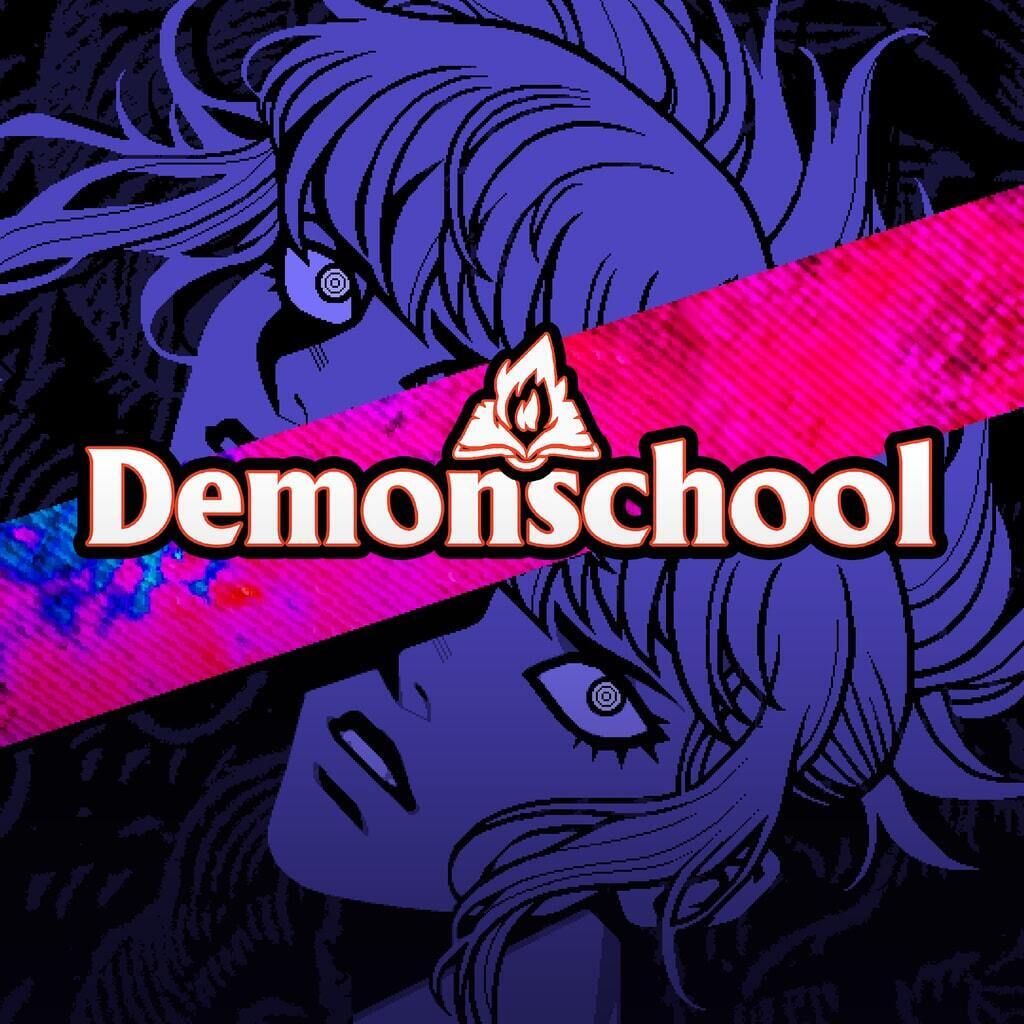
Necrosoft Games’ Demonschool is one of the most delightfully audacious indie RPGs to arrive in 2025. Equal parts tactical skirmish, horror melodrama, and college-life adventure, it blends the supernatural with the mundane in a way that feels both familiar and wildly original. For players who enjoy Persona’s social systems, Shin Megami Tensei’s demonic tension, and Into the Breach’s tight, movement-driven combat, Demonschool delivers a refreshing mix that stands out in a crowded genre.
Story & Setting
The story follows Faye, heir to a long lineage of demon hunters, as she enrolls in a mysterious university located on a remote island. Instead of purely focusing on demon slaying, she and her friends must balance classes, relationships, and extracurricular mysteries that steadily unravel the island’s sinister secrets.
The tone is steeped in a gently creepy, retro-horror atmosphere. Think ‘70s Italian horror cinema blended with a laid-back university setting. The game unfolds across an in-game calendar of days, weeks, and seasons, giving the journey an almost slice-of-life structure despite its demon-infested backdrop. Fifteen quirky, well-written characters accompany Faye throughout the journey, and building bonds with them is more than just narrative fluff — friendships unlock powerful combo attacks and tactical options that meaningfully impact combat.
Gameplay & Combat
At its core, Demonschool is a tactics RPG — but it breaks from the traditional mold in exciting ways. Movement in Demonschool is action. Position a character, and the act of moving often triggers context-sensitive maneuvers such as dashes, attacks, and buffs. Rather than navigating a rigid grid with a long list of menu commands, you choreograph your team’s flow across the battlefield.
A standout mechanic is the “rewind” system. During the planning phase, the game plays a preview of your intended moves before you commit. If a strategy doesn’t look right, you can rewind, adjust, and experiment freely. This encourages creativity and makes even tougher fights feel fair, approachable, and surprisingly fast-paced.
Combat encounters rarely drag on. Most skirmishes last around 10–15 minutes, with boss battles being slightly longer but still brisk compared to genre norms. Character synergy is vital: some heroes excel at knocking enemies into traps, others specialize in crowd control, and still others empower allies with support abilities. When these abilities interlock, battles feel like a well-rehearsed dance of positioning and timing.
What truly sets Demonschool apart is its commitment to keeping strategy lean. There’s no clutter of overly bloated stats or labyrinthine menus. You’re encouraged to dive right into the action and refine your approach through clever movement and teamwork rather than grinding or micromanaging tiny percentages. That said, in the busiest boss encounters, the UI can get slightly unclear, making it tricky to predict the exact outcome of certain overlapping attacks — a minor blemish in an otherwise extremely clean combat system.
Social Systems & Scheduling
Outside the battlefield, the university life simulation adds a layer of charm and identity. Players manage a weekly schedule for Faye and her squad. Choosing classes affects stat growth, unlocks abilities, and can even influence story outcomes. The balance between study, exploration, and relationship-building gives you a sense of ownership over your team’s development.
Side activities flesh out campus life: karaoke nights, strange island errands, lighthearted hangouts, and even optional pet adoption. These diversions are never mandatory, but they enhance the world and give much-needed downtime between demon encounters.
Relationships matter mechanically as well as narratively. As bonds deepen, characters unlock new combo skills, learn cooperative attacks, and open unique conversation paths. The game does an excellent job tying character development directly into tactical progression, making your emotional investment feel earned and impactful.
Art, Sound & Atmosphere
Visually, Demonschool sports a striking retro-modern aesthetic. Its isometric environments and character sprites feel like a love letter to handheld-era RPGs, but the overall presentation — from color grading to animation — leans stylish, bold, and distinctly contemporary. The horror influences are clear, but the game never overwhelms with darkness; it strikes a balance between eerie mood and playful charm.
Cutscene portraits and character art shine with personality, often leaning into exaggerated expressions that fit the melodramatic tone. The soundtrack supports this duality as well, blending atmospheric tension with warm, upbeat tones that capture both the supernatural and slice-of-life aspects of the story.
Strengths
- Fast, inventive tactics gameplay with clever movement-driven mechanics
- Accessible yet deep combat systems that reward experimentation
- Strong character writing and meaningful relationship-building
- A unique blend of horror, humor, and heart that gives the game a distinctive identity
- High replay value thanks to branching social interactions and schedule choices
Weaknesses
- Occasional UI clarity issues during large or crowded encounters
- Pacing may feel uneven for players who strongly prefer combat over social simulation
- The blend of genres, while refreshing, may not appeal to purists of either style
Conclusion
Demonschool is a bold, stylish, and surprisingly heartfelt entry in the tactical RPG space. It takes familiar inspirations and merges them into something distinctly its own — a semester-long battle against demons that’s as much about friendship and self-discovery as it is about strategy.
With engaging combat, memorable characters, and a world that feels equal parts haunting and inviting, Demonschool earns its place as one of the standout indie titles of the year. Whether you’re here for the tactics, the atmosphere, or the supernatural college drama, this is one school year you won’t forget.