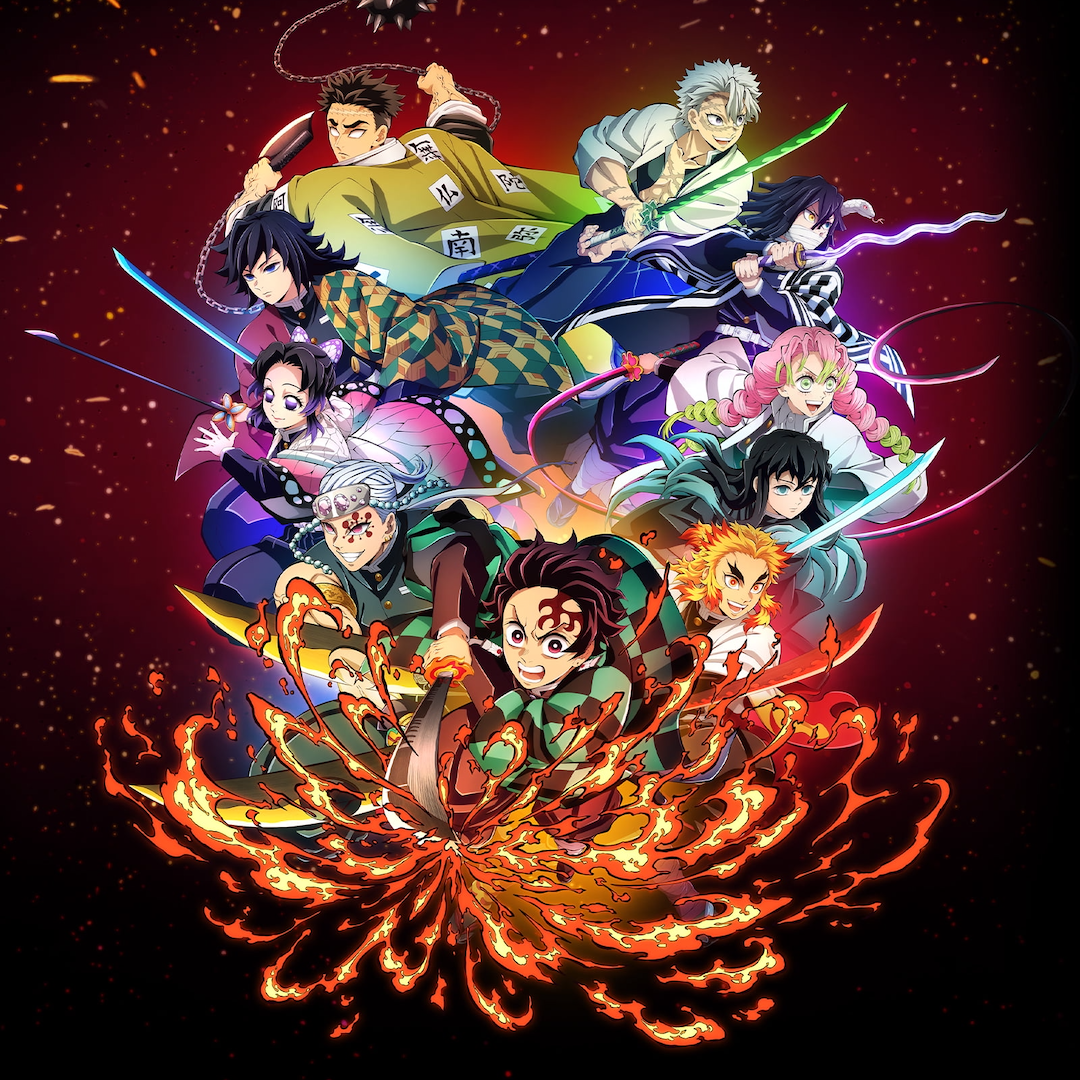
For fans of the hit anime and manga, The Hinokami Chronicles 2 is absolutely a must‑play: developed by CyberConnect2 and published by SEGA, the game delivers high‑octane battle sequences, faithful presentation, and a broader roster and narrative coverage than its predecessor. While it doesn’t reinvent the anime‑fighting formula or radically innovate the genre, it refines what came before and offers tons of spectacle, making it a strong pick for fans and a solid entry for newcomers. According to aggregate reviews the game lands around the “generally favourable” zone.
Story & Setting
Hinokami Chronicles 2 picks up from the original game’s story, covering the Entertainment District Arc, the Swordsmith Village Arc, and the Hashira Training Arc of the anime. The narrative allows players to step into the boots of Tanjiro Kamado, fight alongside his allies, and face off against upper‑rank demons in key story moments. The game’s cinematic sequences—complete with in‑engine cuts and still images—deliver intense emotional beats and cover some of the series’ most beloved arcs.
Visually and atmospherically, the game nails the look of the anime: rich cel‑shaded aesthetics, dramatic lighting and dynamic camera sweeps help it feel like you’re playing in the middle of an episode. Some reviewers note occasional environmental segments or slower pitched exploration that don’t reach the same heights, but the overall presentation is undeniably strong.
Gameplay: Combat, Modes & Mechanics
Combat remains the heart of the experience—and here the game shines. Battles are fast, flashy and accessible, mixing deep anime combos with cinematic flourishes. One of the fresh improvements is the “Dual Ultimate Arts” system and enhanced tag mechanics between characters, giving you more dramatic finishers and team synergy.
The developer leans into a more action‑arena fighting style (think of the formula used in Naruto: Ultimate Ninja Storm). You’ll fight big demon bosses, execute spectacular QTE‑style finishers, and switch between playable heroes. All of this is crafted to maximise fan satisfaction. Mob fights, tag‑team moments and cinematic transitions make the core fights feel “authentically anime.”
On top of story mode, there’s a versus mode with a roster of over 40 characters at launch—playable demon slayers, demons and memorable side characters. That adds real replay value beyond simply reliving the story.
However, the game doesn’t break huge new ground. Some critics point out that while the formula is solid and refined, it’s still very much in the “anime‑fighter comfortable zone.” The learning curve isn’t steep, the complexity remains moderate, and the deeper mechanical systems (for hardcore fighting specialists) are not deeply layered.
Visuals & Audio
The game’s presentation is a major highlight. Whether on PC or PS5, animations pop, ultimate attacks sparkle with colour and spectacle, and characters genuinely feel like their anime counterparts. Reviewers consistently praise the visuals, especially during big boss fights or story set‑pieces.
Sound design is also strong: full voice acting in both Japanese and English, dramatic music, and sound effects that emphasise sword clashes, demon roars and elemental powers. The world and characters both sound and move in a way that conveys weight and personality. Some small issues: a few intro segments or slower environmental parts feel less polished, and on some platforms there are occasional performance hiccups when the screen gets layered with effects.
Strengths & Weaknesses
Pros:
- Faithful and stylish adaptation of the anime’s key arcs with huge fan service.
- Deep and satisfying combat: slick tag mechanics, ultimate arts and impressive bosses.
- Broad playable roster with over 40 characters, including Hashira and demons.
- Strong audiovisual design that brings the anime world to life.
- Accessible for newcomers yet enjoyable for fans wanting to relive favourite moments.
Cons:
- The game plays it safe: the formula is familiar and doesn’t radically reinvent the genre.
- Story mode pacing sometimes uneven: exploration and filler segments lag compared to high‑impact fights.
- Post‑campaign modes (training mode, side content) offer limited depth for players seeking more advanced fighting systems.
- Online community and competitive longevity may be limited: some players report weak matchmaking and potential lack of cross‑play.
Replayability & Longevity
If you’re a fan of the series or enjoy arena fighters with spectacle, Hinokami Chronicles 2 offers good value. Story mode will take you several hours, and the expanded roster plus versus multiplayer gives you reasons to return. Some reviews estimate around 7‑10 hours for the main story, though completionists and multiplayer fans will spend more.
For dedicated fighting game players, however, the long‑term pull may reduce over time unless CyberConnect2 supports it with robust online features, eSports polish or future content expansions. If you play mostly solo and finish the campaign, you might feel the content is lighter than expected.
Final Verdict
Demon Slayer – Kimetsu no Yaiba – The Hinokami Chronicles 2 is a very good sequal: it refines what worked, adds more characters, and gives fans of the anime more than they asked for in terms of presentation and moment‑to‑moment spectacle. While it’s not a revolutionary fighter, it checks almost all the boxes for the target audience—visually impressive, story‑faithful, fun in combat, and packed with fan service.
If you love Demon Slayer, this is a no‑brainer. If you’re just looking for a top‑tier fighting game independent of the anime, you’ll still find value but may expect less depth than genre leaders.
A strong, fan‑first fighting game powerhouse that brings the saga alive, even if it keeps one foot firmly in familiar territory.