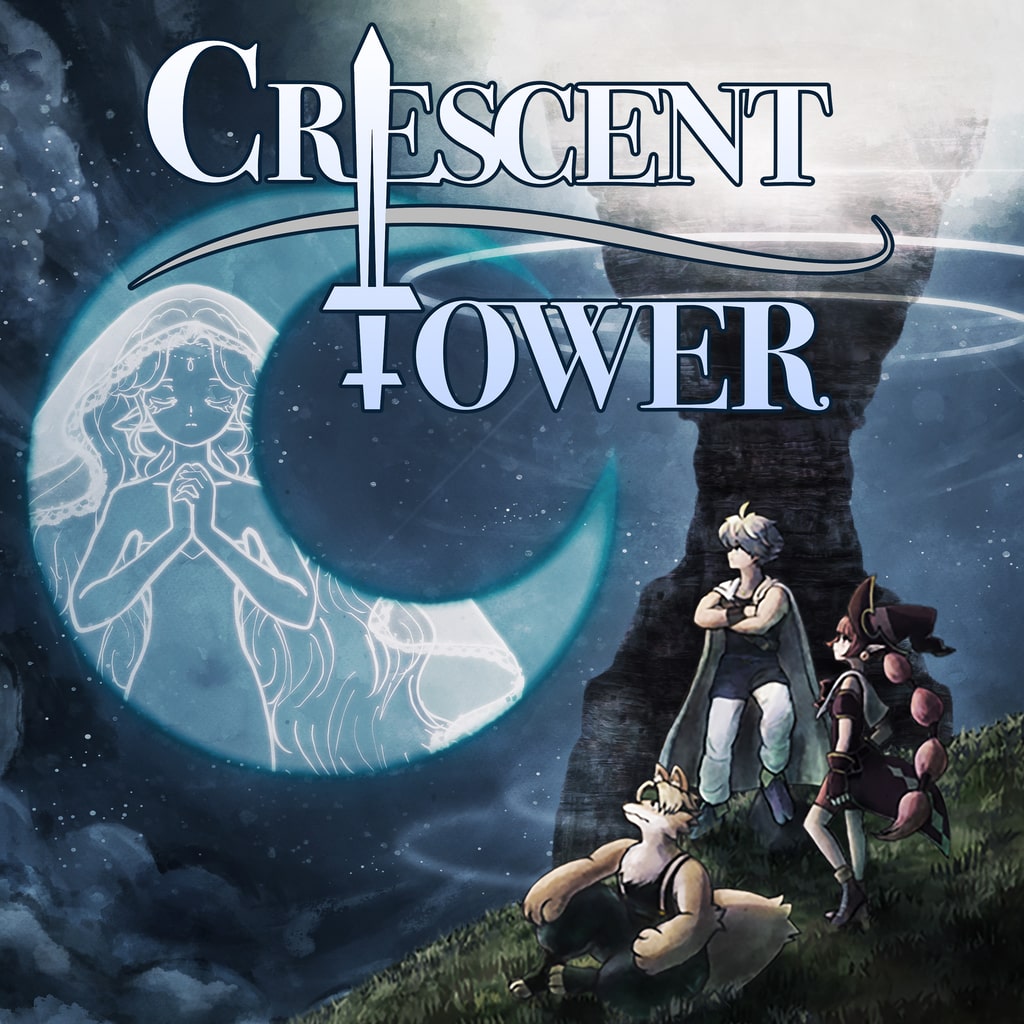
Crescent Tower is a game built around a single, focused idea: ascent as both structure and metaphor. Rather than sprawling outward, it draws players upward, challenging them to climb a hostile, ever-shifting tower where progress is measured not just by height, but by understanding. This is a game that values discipline, pattern recognition, and patience, presenting an experience that feels deliberately constrained yet mechanically demanding.
At first glance, Crescent Tower appears modest in scope. Its environments are contained, its mechanics clearly defined, and its goals straightforward. Yet beneath this surface lies a carefully tuned experience that thrives on repetition, mastery, and the slow accumulation of skill. It is not a game that overwhelms with content, but one that tests how well players engage with what is there.
World and Structural Design
The tower itself is the game’s defining feature. Each floor introduces new threats, mechanics, or variations on familiar challenges, creating a sense of progression that feels earned rather than arbitrary. While environments are thematically consistent, subtle shifts in layout, hazard placement, and enemy behaviour keep the ascent engaging.
The setting leans toward abstraction. Rather than a fully realised narrative world, Crescent Tower presents its environments as functional spaces—arenas designed to test movement, timing, and decision-making. This lack of overt worldbuilding may disappoint players seeking lore or narrative context, but it reinforces the game’s mechanical focus.
Visually, the tower is clean and readable. Platforms, hazards, and interactive elements are clearly distinguishable, ensuring that failures feel instructive rather than confusing. The game prioritises clarity over spectacle, a choice that proves essential given the precision required.
Core Gameplay and Mechanics
Crescent Tower is fundamentally a skill-driven action game, blending elements of platforming and combat into tightly controlled encounters. Movement is deliberate and responsive, demanding careful input rather than constant speed. Jumping, dodging, and positioning are all critical, and success often hinges on executing simple actions consistently rather than mastering complex combos.
Combat, where present, is restrained and purposeful. Enemies are not numerous, but they are placed to disrupt rhythm and punish complacency. Rather than overwhelming players with numbers, the game uses positioning and timing to create pressure. Each encounter feels designed to test awareness as much as reflexes.
Mechanics are introduced gradually, allowing players to build confidence before complexity increases. This onboarding is effective, but the game offers little forgiveness once expectations are established. Mistakes are punished swiftly, reinforcing the importance of precision and focus.
Difficulty and Player Learning
Difficulty in Crescent Tower is firm but fair. The game does not rely on randomness or hidden information; instead, it demands consistent execution. Failure is frequent, but rarely surprising. When a mistake occurs, it is usually clear what went wrong.
This design encourages a strong learning loop. Repetition becomes a tool for improvement rather than frustration, as players internalise patterns and refine timing. The satisfaction of overcoming a difficult floor comes from mastery rather than luck, making progress feel genuinely rewarding.
However, the game’s strictness may limit its appeal. There are few difficulty modifiers or accessibility options, and players unwilling to engage with repeated failure may find the experience exhausting. Crescent Tower makes little effort to soften its edges.
Pacing and Momentum
The game’s pacing is measured and intentional. Floors are compact, often focusing on a single challenge or idea before moving on. This structure prevents overstaying its welcome and ensures that difficulty escalates in manageable increments.
Between intense sections, brief moments of calm allow players to regroup mentally. These pauses are crucial, as the game demands sustained concentration. Without them, the experience could easily tip into fatigue.
That said, the overall rhythm remains unrelenting. Crescent Tower is not a game designed for casual, distracted play. It requires attention and commitment, rewarding focus but offering little comfort when concentration slips.
Presentation and Audio Design
Visually, Crescent Tower maintains a cohesive aesthetic that supports gameplay. Art direction is understated, using restrained colour palettes and simple geometry to ensure readability. Animations are functional rather than expressive, reinforcing the game’s mechanical emphasis.
Audio design complements this approach. Sound effects provide clear feedback for movement, impacts, and hazards, ensuring players always understand the result of their actions. Music is subtle and atmospheric, designed to maintain tension without overwhelming the senses.
While neither visuals nor audio aim to impress on their own, they work effectively in service of the game’s core loop.
Replayability and Longevity
Replayability in Crescent Tower is driven primarily by mastery. There are few extrinsic rewards for replaying content; instead, the incentive lies in improving performance, reducing mistakes, and achieving cleaner runs.
For players who enjoy self-imposed challenges and optimisation, this is a strong foundation. For others, the lack of narrative variation or unlockable content may limit long-term engagement.
The game’s structure also lends itself to short sessions, making it easy to return to specific floors or challenges without re-committing to a lengthy campaign.
Final Verdict
Crescent Tower is a disciplined, focused experience that knows exactly what it wants to be. It strips away excess and concentrates on core mechanics, demanding precision, patience, and persistence from its players.
While its minimalist presentation and unforgiving difficulty will not appeal to everyone, those who appreciate skill-driven design will find much to admire. Crescent Tower does not attempt to entertain through spectacle or narrative—it challenges players to improve, adapt, and persevere.
This is a game that respects player intelligence and commitment, offering satisfaction through mastery rather than reward systems. For the right audience, it stands as a compelling example of how restraint and clarity can create a deeply engaging experience.