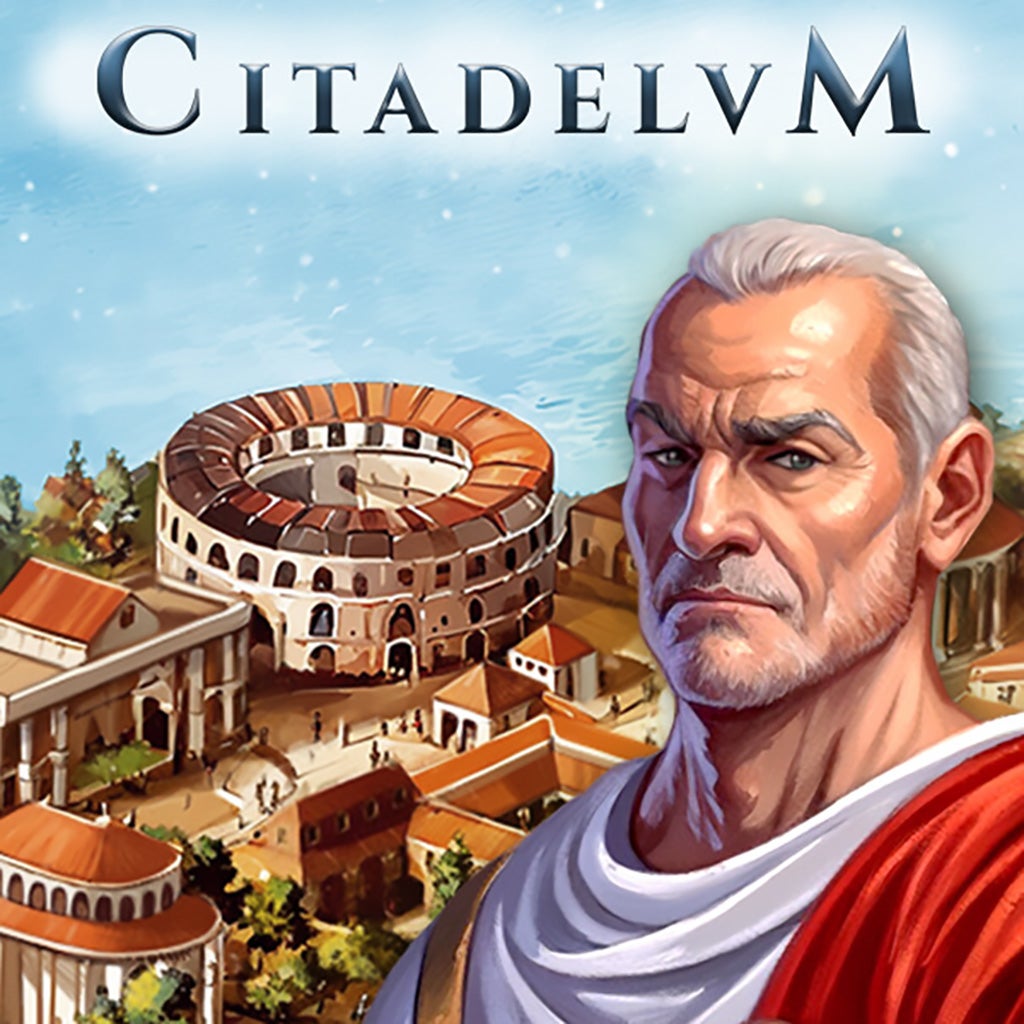
If you’ve ever dreamt of building a mighty Roman city from scratch — complete with aqueducts, bustling markets, legions of soldiers, trade routes and the ever-capricious gods of the Pantheon — Citadelum delivers that fantasy with a blend of classic city-builder mechanics, strategic expansion and mythic flavour. Developed by Abylight Barcelona and released in October 2024 (with a Nintendo Switch 2 edition arriving January 2026), Citadelum is a love letter to the golden age of strategy gaming and a thoughtful modern take on ancient empire management.
What sets Citadelum apart from many of its peers is its three-layered gameplay philosophy — a city-building core, territorial expansion and a unique interaction with the gods — which together give each playthrough a sense of weight and consequence.
From Humble Village to Imperial Power
At its heart, Citadelum is a city-builder in the grand tradition of classics like Caesar III, Zeus and Pharaoh — the kind of game where thoughtful planning and resource balancing pay dividends over time. You start small, founding a settlement somewhere in the Italian peninsula, and slowly build it into a thriving hub of agriculture, industry and culture.
Gathering and refining resources like wood, stone, grain and fish is vital to sustain your population. You don’t just plop buildings down at random; you must plan roads, manage water supplies, encourage farming, and balance housing for citizens of different social strata. Workers need proper food, entertainment and work to thrive, and ignoring their needs can lead to stagnation or unrest.
The attention to detail in city planning is one of the game’s most satisfying aspects. Placing aqueducts to keep water flowing, situating farms near fertile lands, and arranging artisan workshops to maximise efficiency rewards a careful eye. Each decision — economic, civic, or military — feels purposeful rather than arbitrary.
Gods: Blessings and Wrath
One of Citadelum’s most intriguing innovations is the way the gods of ancient Rome play into your plans. You can construct temples, hold festivals and make offerings to curry favour with deities like Jupiter, Mars, or Minerva — and they may grant boons such as improved crop yields, military strength, or economic buffs.
But don’t be complacent: the gods are temperamental. Appease one and another might turn against you. Ignore all of them and expect divine repercussions. This dynamic adds a rich strategic layer that keeps the game from feeling like a pure numbers simulator. Whether you choose piety, audacity, or a balancing act in between, your relationship with the divine influences the unfolding narrative and the challenges you face.
Expansion, Trade and Auto Battles
Once you’ve established a stable city, Citadelum invites you to look outward. The world map contains free villages besieged by enemies, resources ripe for exploitation, and trade partners to engage. Setting up trade routes and securing exotic goods helps fuel economic growth and unlocks advanced buildings and technologies.
Military engagements are handled through an auto-battle system with some tactical input. You assemble legions and decide formations, and battles play out with options to intervene — but they don’t rely on twitch reflexes. These conflicts, while not as deep as dedicated combat games, complement the strategic expansion and give your empire’s growth real stakes.
Presentation: Ancient Rome, Alive (Mostly)
The game’s presentation balances clarity with detail. Cities feel alive, with citizens bustling through markets and farms, buildings evolving as you unlock new technologies, and terrain that expands in scale as your empire grows. On platforms like PC and Switch 2, the visuals are clean, and the UI — once learned — scales well from small screens to desktops.
One minor gripe, especially on handheld screens, is that UI text and icons can feel slightly small or cramped — an understandable consequence of packing deep strategy elements into a portable form factor.
Audio design is understated but effective. Ambient sounds — gentle town chatter, marching legions, ceremonies at temples — create a lived-in atmosphere. Music leans into stately themes that evoke Rome’s grandeur without ever feeling intrusive.
Campaign, Sandbox and Replayability
Citadelum offers a structured campaign with historical and mythic missions, as well as sandbox modes where players can set their own goals.
Campaign missions provide guided challenges that help you learn the mechanics while telling tales of power, rebellion and divine influence. The sandbox mode encourages experimentation: tweak difficulty settings, ignore the gods, focus on trade over warfare, or bend the world’s rules to suit your strategy.
Community scenario sharing further extends replayability for those who enjoy tinkering and custom creations.
Nostalgia, Depth and Limitations
Fans of classic city-builders will find much to love here, particularly in how faithfully Citadelum captures the spirit of the genre’s golden era. However, some players may find that campaign scenarios can feel repetitive over time, and that certain systems — like trade complexity or god interactions — don’t evolve as dramatically as they could in the late game.
Even so, the core experience remains consistently satisfying: building cities, managing logistics, and navigating Roman politics and piety is rewarding throughout.
Who Should Play Citadelum?
Citadelum is ideal for strategy fans who relish thoughtful planning, historical flavour and the satisfaction of watching a settlement grow into an empire. The added mythological layer gives it personality beyond standard economic sims.
Players seeking fast-paced action or deep tactical combat may find it less compelling, and those wanting a heavy narrative focus may find its storytelling more atmospheric than dramatic.
Verdict
Citadelum is a confident homage to classic city builders, enriched with strategic layers of expansion, trade and divine interaction. While it doesn’t reinvent the genre, it harmonises its systems thoughtfully and delivers a compelling management experience set against the backdrop of Ancient Rome.
It’s as close to a modern Caesar-like adventure as many fans could hope for — occasionally simplistic in places, but consistently engaging for those willing to immerse themselves in empire-building.