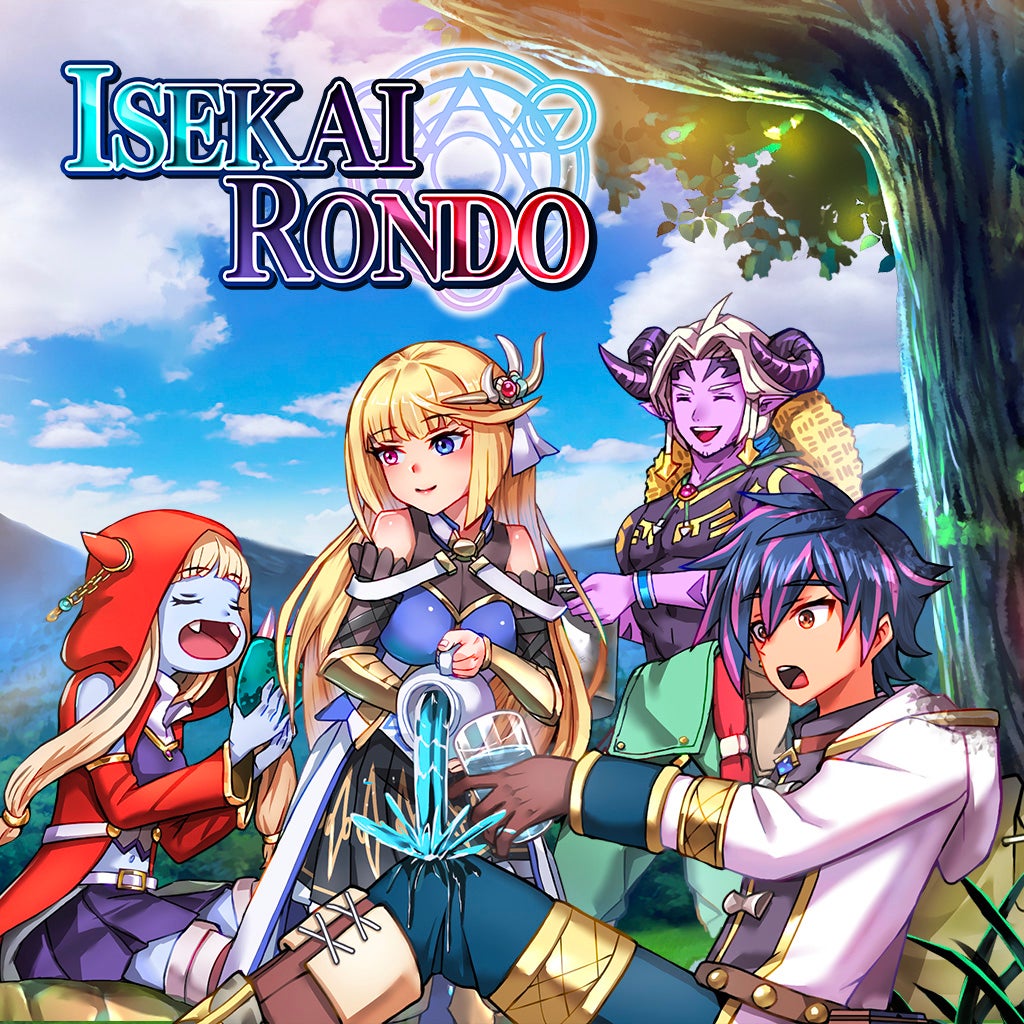
It’s a dizzying time to be a fan of action RPGs. More and more titles are blending fast-paced combat with sprawling narratives, deep progression systems, and genre-bending mechanics in pursuit of something that feels both familiar and fresh. Isekai Rondo (Nintendo Switch 2 Edition) is a bold entry in that competitive space — ambitious, stylish, and brimming with ideas. Yet while it gets many things right, it doesn’t always stick the landing.
At its core, Isekai Rondo is an action RPG wrapped in a multiverse-hopping narrative. You play as Alec, a once-ordinary office worker dragged into a fantastical realm rife with magic, monstrous threats, and perilous kingdoms. Early on you discover a mysterious artifact called the Rondo — a crystal key of sorts that allows Alec to traverse parallel realities. Each world comes with its own aesthetic, foes, and lore peculiarities, and much of the game’s novelty arises from this clever structural conceit.
From chivalric medieval castles to neon-soaked techno-cities and misty shadowlands, Isekai Rondo keeps the environments varied and often spectacular. But the true strength of the game isn’t simply its premise — it’s the way the worlds intersect and reflect themes of identity, purpose, and consequences of choice.
Narrative: A Twist on the “Isekai” Trope
Isekai narratives — where protagonists are transported from mundane life to a fantastical realm — are hardly groundbreaking by now. What Isekai Rondo does differently is embrace the Rondo’s multiverse implications. Instead of one fantasy reality, Alec must piece together shards of truth scattered across multiple versions of his new world, each revealing a different facet of the overarching threat.
The story is surprisingly intricate. A rotating cast of allies and adversaries reveal conflicting motives, and twists aren’t shy about reframing your assumptions. World-specific quests often fold back into the main plot in unexpected ways, rewarding curiosity and exploration.
Still, the narrative occasionally trips over its own ambition. Some lore threads feel underdeveloped, and pacing can be inconsistent: long stretches of dialogue are followed by rapid bursts of action, which can pull you out of the experience rather than immerse you further. Nevertheless, for a genre that often uses story as mere backdrop, Isekai Rondo delivers one that genuinely engages.
Combat: Stylish but Uneven
Combat in Isekai Rondo is the heart of the experience, and most of the time it’s a blast. The game blends precision swordplay, dodge-oriented encounters, and magical abilities into encounters that feel kinetic and rewarding. Switch 2 hardware lets the action unfold with impressive fluidity — enemy animations are crisp, hit impacts feel punchy, and special effects light up the screen without overwhelming the battlefield.
A core system is Rondo Resonance: as you progress, you unlock resonance skills specific to each world you visit. These abilities — from ethereal dash strikes to gravity-twisting runes — let you tailor combat to your style. Whether you prefer darting between foes with swift strikes or weaving powerful spells into combos, Isekai Rondo supports varied approaches.
Despite the strengths, combat isn’t without flaws. Enemy variety is serviceable but not spectacular: many encounters recycle movesets, and boss fights occasionally rely on gimmicks over genuine tactical design. Some bosses feel like memorisation tests rather than expressions of your skill. Additionally, camera control in tight spaces can become frustrating, especially during multi-enemy skirmishes.
Yet even with these shortcomings, the core loop — engage, evade, exploit — remains satisfying. Mastering timing and positioning feels genuinely rewarding, and when combat flows, it flows beautifully.
Worlds Worth Exploring
One of Isekai Rondo’s most compelling features is how it constructs its multiverse. Rather than simply reskinning locations, each world comes with distinct rules, creatures, and environmental storytelling.
In the verdant Kingdom of Greenvale, forests teem with living flora that react to magic — attacking invaders or blossoming to open hidden pathways. In contrast, the techno-metropolis of Neolux City is a place where augmented citizens and automated defenders blur the line between human and machine. These worlds feel thoughtfully realised, not just slapped together.
Traversal is enhanced by agile movement options: double jumps, directional dashes, and wall runs give exploration a sense of momentum. Secret chambers conceal lore tomes, optional bosses, and aesthetic cosmetics for Alec’s attire, rewarding players who look beyond the main path.
However, not every world hits its mark. Some feel too brief or underpolished compared to the standout locales, and a few environmental puzzles lean more on trial and error than clever design. Still, the overall variety keeps the adventure feeling fresh across its 20–30 hour campaign.
Presentation: Visual and Audio Flourishes
Nintendo Switch 2 Edition is a strong showcase for what the hardware can achieve when a game takes advantage of its capabilities. Character models are expressive, facial animations help convey narrative moments, and visual effects — spells lighting up rain-soaked streets, shimmering portals folding sky — genuinely dazzle.
The soundtrack deserves praise as well. Aural themes shift seamlessly between worlds: sweeping orchestral motifs in medieval realms, pulsing synthwave in urban environments, and eerie choral fragments in shadow domains. Each locale’s music enhances the atmosphere, turning exploration into an emotional experience rather than a mechanical one.
Voice acting is solid overall, with standout performances in key story scenes. English and Japanese audio options are available, and both deliver believable characterisations without overselling melodrama.
Systems and Progression
RPG mechanics in Isekai Rondo strike a balance between accessibility and depth. Experience points earned from combat and quests lead to character level ups that improve health, stamina, and core attributes. Skill trees linked to each world offer specialised upgrades — elemental affinities, passive boosts, and movement enhancements — encouraging players to experiment.
Crafting also plays a role. Materials gathered from enemies and environments allow you to forge or enhance gear. While the system isn’t overly complex, it adds meaningful options without bogging down the pace with minutiae.
Side quests offer both challenge and character development, though not all are equally compelling. Some feel like filler — “go here and defeat X enemies” — while others reveal surprising insights into NPCs and world lore.
Accessibility and Difficulty
Isekai Rondo is welcoming to a broad audience. Multiple difficulty settings ensure that newcomers can enjoy the story without frustration, while higher modes present a satisfying challenge to seasoned action-RPG veterans. Tutorials are clear and unobtrusive, and the game rarely locks players out of progression due to unclear mechanics.
Still, some optional content — particularly late-game bosses — demands tight execution and strategic builds, which may deter casual players. But for those willing to engage with its systems, the difficulty curve feels fair and rewarding.
Verdict
Isekai Rondo (Nintendo Switch 2 Edition) is a bold, imaginative action RPG that blends multiverse storytelling with exhilarating combat and colourful worldbuilding. It isn’t flawless — pacing stumbles, enemy variety could be stronger, and a handful of design choices don’t always land — but the game’s ambition, aesthetic polish, and mechanical depth make it a standout title on the platform.
If you’re drawn to action RPGs with narrative weight, diverse environments, and a satisfying blend of challenge and accessibility, Isekai Rondo is well worth your time.