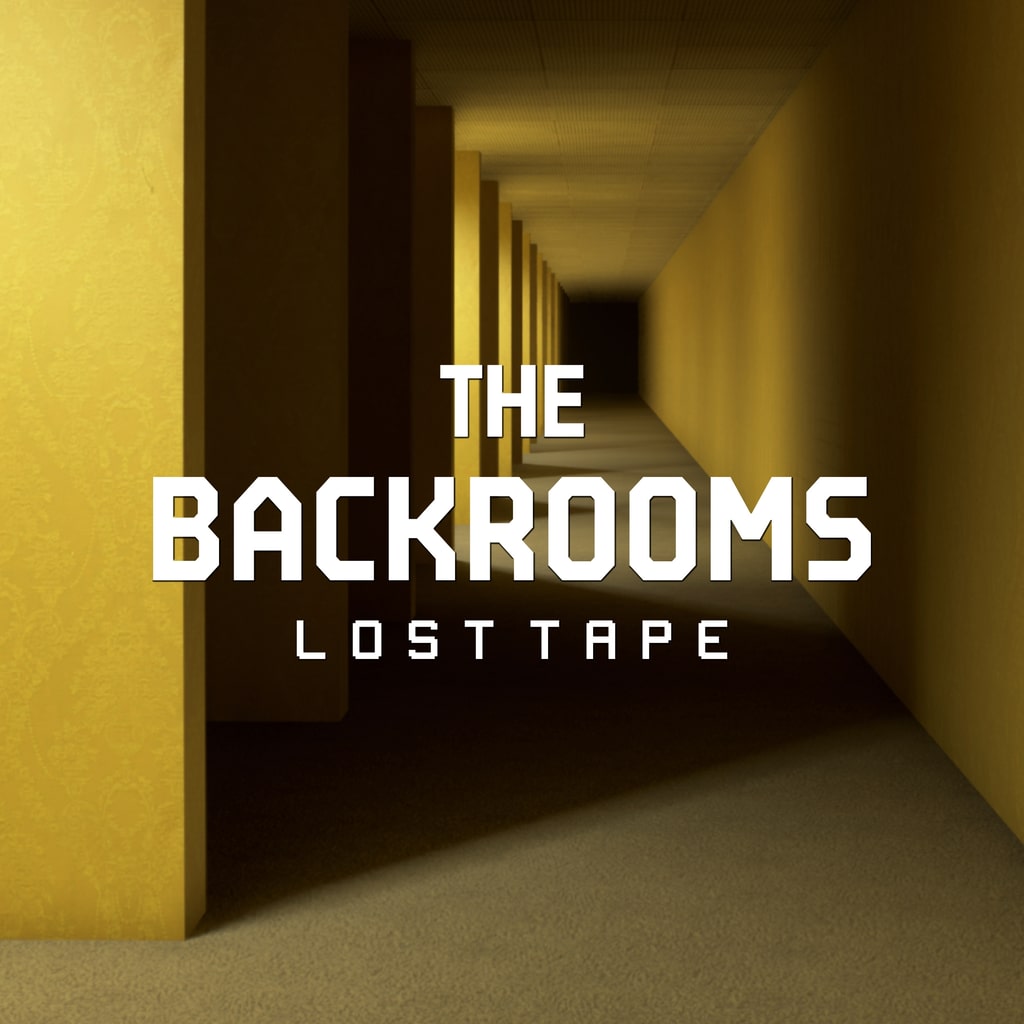
Few internet horror creations have embedded themselves in popular culture quite like The Backrooms. What began as a single image of a strange yellow office space has evolved into a sprawling mythology fuelled by imagination, uncertainty, and a universal fear of being trapped somewhere that feels familiar yet fundamentally wrong. Countless games have tried to recreate that unsettling feeling, but many have focused too heavily on monsters and jump scares rather than the creeping dread that made the concept resonate in the first place.
Backrooms: Lost Tape takes a different approach. Rather than turning the experience into an action-heavy survival horror game, developer Cortez Productions leans fully into psychological discomfort and environmental storytelling. The result is an experience that understands the appeal of The Backrooms better than most of its contemporaries. It knows that fear is often more effective when it emerges from uncertainty rather than spectacle.
The game’s arrival on PlayStation 5 feels particularly fitting. With improved visual fidelity and smooth performance supporting its eerie presentation, Lost Tape finally has a platform capable of showcasing its unsettling vision at its best. While it is not without flaws, it succeeds in creating an atmosphere that lingers long after the console has been switched off.
The Horror of Empty Spaces
At the centre of Lost Tape are two interconnected stories presented as recovered VHS recordings. The first, The Tape of Josh, follows a cinema usher whose ordinary working day suddenly turns into a nightmare when he slips through a tear in reality and finds himself trapped in the iconic yellow maze. The second chapter, The Tape of Nikolas, follows a rescue mission that plunges even deeper into the mystery surrounding Josh’s disappearance.
The structure works remarkably well because it mirrors the fragmented nature of found-footage storytelling. Rather than presenting a conventional narrative with lengthy exposition and clear answers, the game gradually reveals information through exploration and environmental clues. Players are encouraged to piece together events themselves, creating a stronger sense of involvement in the mystery.
What makes these stories compelling is not necessarily the plot itself but the way the environments communicate fear. Every corridor feels abandoned. Every room seems disconnected from logic. Familiar architecture twists into impossible layouts that challenge your understanding of physical space. The further you venture into the labyrinth, the more reality itself appears to unravel.
The game constantly exploits the discomfort of recognising something while knowing it should not exist. That tension becomes one of its most effective weapons.
A Masterclass in Atmosphere
The greatest strength of Backrooms: Lost Tape is undoubtedly its atmosphere. From the moment you enter the maze, the game establishes an overwhelming sense of isolation that rarely loosens its grip. Every design decision seems focused on making players feel vulnerable and disoriented.
The found-footage presentation deserves significant praise. VHS distortion, chromatic aberration, visual noise, and lens warping are often overused in horror games, but here they serve a genuine purpose. These effects obscure details just enough to keep players questioning what they are seeing without becoming distracting. The result feels less like a video game and more like a recovered recording documenting a genuine descent into madness.
The visual design itself is equally impressive. The yellow hallways, damp carpets, peeling wallpaper, and flickering fluorescent lights are recreated with an almost obsessive level of detail. On PlayStation 5, these environments achieve a realism that makes them deeply uncomfortable to explore. There is a tangible sense of place in every location, even when those places make no logical sense.
Perhaps most importantly, the game understands restraint. Rather than bombarding players with constant scares, it allows the environments to do much of the heavy lifting. Empty spaces become threatening because of what might be hiding within them. Silence becomes terrifying because it never lasts for long.
Sound Design That Gets Under Your Skin
If the visuals create the illusion of being trapped, the audio design ensures you never feel safe while trapped there. Backrooms: Lost Tape delivers some of the most effective ambient sound design in recent horror memory, transforming mundane noises into sources of genuine anxiety.
The endless hum of fluorescent lighting becomes almost hypnotic over time. Water drips somewhere beyond your line of sight. Distant metallic echoes reverberate through unseen hallways. Occasionally, strange sounds emerge from the darkness, forcing you to question whether they were real or imagined.
This approach creates a unique form of psychological pressure. The game rarely needs loud jump scares because the environment itself generates tension. At several points, I found myself hesitating before opening doors or rounding corners, despite there being no immediate threat in sight. The audio had conditioned me to expect danger at any moment.
That lingering sense of unease remains one of the game’s most impressive accomplishments. Even when nothing is happening, it never feels like nothing is happening.
Exploration Over Action
Players expecting traditional survival-horror mechanics may be surprised by how little emphasis Lost Tape places on combat or resource management. There are no weapons to master, no inventory systems to juggle, and no elaborate crafting mechanics. Instead, the experience centres on exploration, observation, and puzzle-solving.
For some players, this will be a major strength. The absence of conventional video game systems helps maintain immersion and reinforces the feeling of being an ordinary person trapped in extraordinary circumstances. Every puzzle solved feels like a small victory against an environment that actively resists understanding.
However, this approach also highlights one of the game’s biggest weaknesses. Beneath its remarkable atmosphere lies a relatively simple gameplay loop. Exploration remains engaging because the environments are so compelling, but the underlying mechanics rarely evolve in significant ways. Players seeking deeper interaction may eventually wish for greater complexity.
The environmental puzzles generally strike a decent balance between challenge and accessibility. Most encourage observation and experimentation without becoming overly obscure. There are occasions, however, when the intentionally confusing level design makes progression feel less intuitive than it should. A handful of sequences rely heavily on trial and error, which can momentarily disrupt the otherwise immersive experience.
When the Monsters Arrive
Entity encounters are another area where the game largely succeeds through moderation. Many horror titles undermine their own tension by overusing their antagonists, turning once-frightening creatures into predictable obstacles. Lost Tape avoids this trap by keeping its monsters relatively rare.
Because encounters occur sparingly, they retain their impact throughout the adventure. The anticipation of seeing something is often more frightening than the encounter itself. Players spend extended periods wondering what may be lurking nearby, allowing their imagination to amplify the fear.
When entities do appear, the results are genuinely unnerving. Their unpredictable behaviour and sudden appearances create moments of panic that feel earned rather than manufactured. The game understands that fear thrives on uncertainty, and it leverages that understanding effectively.
That said, some chase sequences can become frustrating due to their reliance on memorisation. Certain encounters require players to learn the correct route through repeated failures, which occasionally shifts the experience from tension to repetition. Fortunately, these moments are infrequent enough to avoid completely derailing the atmosphere.
Final Verdict
Backrooms: Lost Tape succeeds because it remains true to its vision from start to finish. Rather than chasing mainstream horror trends, it focuses on capturing the unique psychological discomfort that made The Backrooms such a compelling concept. Its found-footage presentation, exceptional sound design, and deeply unsettling environments combine to create an experience that feels genuinely distinct within the crowded horror genre.
The sparse mechanics and occasional trial-and-error progression will not appeal to everyone. Players seeking combat systems, extensive survival mechanics, or constant action may find the experience too minimalist. Yet for those willing to embrace its slower pace and atmospheric focus, Lost Tape offers something genuinely memorable.
Few horror games make empty hallways feel threatening. Fewer still can make players question reality simply by asking them to walk down another corridor. Backrooms: Lost Tape accomplishes both with remarkable confidence, delivering a haunting journey through liminal spaces that remains unsettling long after the final tape ends.