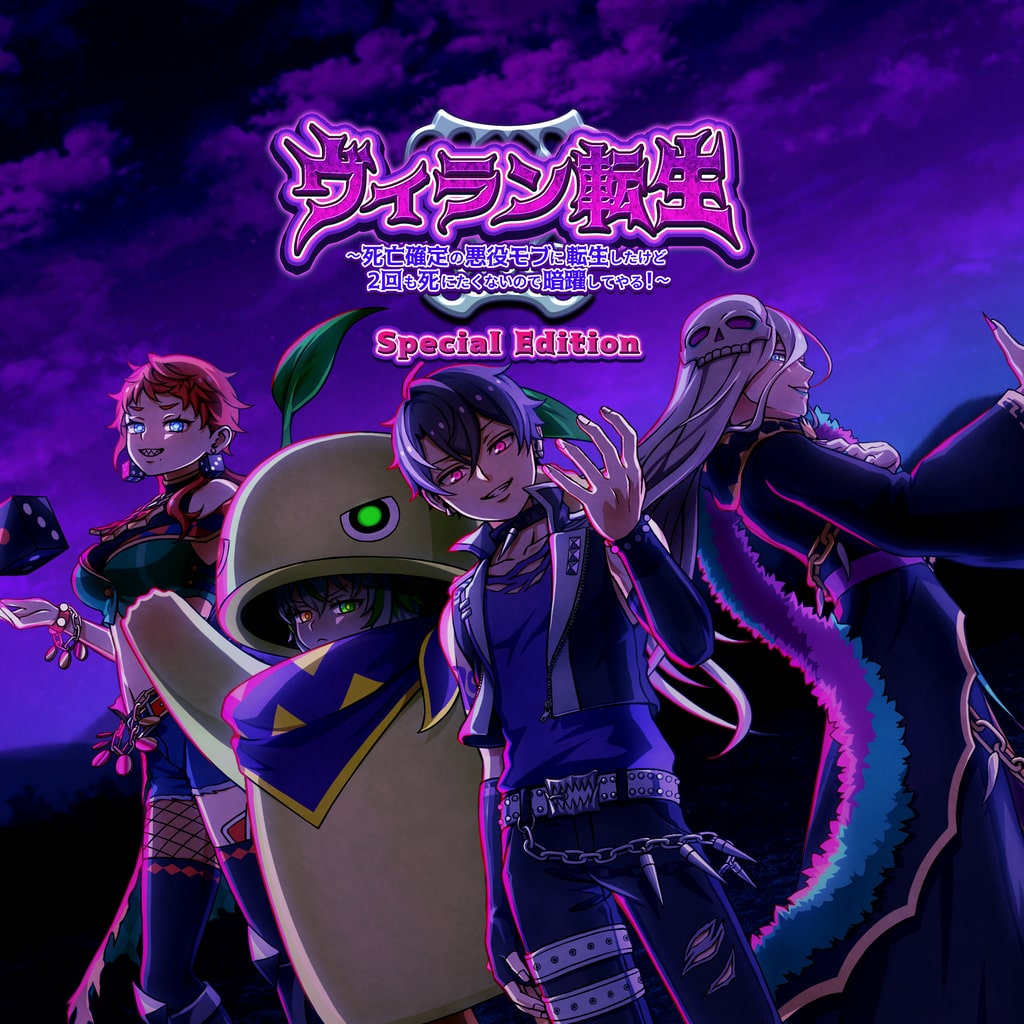
The isekai genre has spent years asking players to become the chosen hero. The legendary warrior. The destined saviour. The one person capable of defeating darkness and restoring balance to the world. Isekai Villain looks at that formula, shrugs, and decides life might be more interesting on the other side of the battlefield.
The premise is immediately appealing. Gray, an ordinary young man, awakens in the world of his favourite comic book only to discover he has not been reborn as the protagonist. Instead, he finds himself in the body of a minor villain whose fate has already been written. His execution is inevitable. His role in the story is insignificant. His death is practically guaranteed.
Naturally, Gray decides he has no intention of following the script. That simple twist gives Isekai Villain a personality many similar fantasy RPGs struggle to find. Rather than gathering allies to save the world, you’re building influence, earning notoriety, and learning to survive in a world that already expects you to fail. It creates an enjoyable sense of rebellion that runs through the entire adventure.
A Story That Knows Exactly What It Is
One of the game’s biggest strengths is its willingness to have fun with its own premise. Gray is fully aware of the tropes surrounding him and frequently comments on them throughout the journey. His observations on heroes, villains, prophecies, and destiny add a layer of humour that keeps the narrative moving even when the overall structure remains familiar.
The supporting cast helps maintain that momentum. Rather than assembling a traditional group of noble adventurers, you recruit individuals who operate in moral grey areas. Smugglers, schemers, opportunists, and fellow outcasts all contribute to a growing sense that this isn’t your standard fantasy quest.
While the story never reaches the emotional heights of genre classics, it remains consistently engaging. The central mystery surrounding Gray’s fate provides strong motivation to keep pushing forward, while the constant tension between survival and ambition gives the narrative an enjoyable edge.
Most importantly, the writing avoids reducing villainy to simple cartoon evil. Gray isn’t destroying villages for fun or twirling a moustache between battles. His actions are driven by necessity, survival, and a desire to escape a future somebody else wrote for him. That nuance gives the story more depth than its light-hearted presentation initially suggests.
Classic Combat With Modern Touches
Combat follows a traditional turn-based structure, but enough additions keep encounters from feeling outdated. Exploiting weaknesses remains the key to victory, encouraging players to learn enemy patterns and build effective party combinations.
Chain attacks and Break mechanics add welcome layers of strategy. Discovering an opponent’s vulnerability and coordinating a devastating sequence of attacks never loses its appeal. Boss battles, in particular, benefit from these systems, rewarding preparation over brute force.
The pacing of combat strikes a pleasant balance throughout most of the adventure. Battles move quickly enough to avoid repetition while still requiring occasional tactical thought. New abilities arrive regularly, helping progression feel meaningful as the difficulty gradually increases.
There is a satisfying rhythm to building your party’s capabilities. Every new skill, passive upgrade, or equipment improvement feels like another small step towards overcoming the fate hanging over Gray’s head.
The Notoriety System Gives Progression Real Identity
What truly separates Isekai Villain from countless other retro-inspired JRPGs is its notoriety system. Rather than simply gaining experience and unlocking abilities through traditional levelling, Gray’s growth is tied directly to his reputation as a villain. Performing questionable deeds, defying heroic factions, and embracing morally dubious choices increase your Villain Rank.
This system gives progression genuine thematic cohesion. You’re not becoming stronger because you’ve killed enough monsters. You’re becoming stronger because you’re carving out your own place within the world’s criminal underbelly.
Unlocking new abilities through the villain skill tree feels rewarding because it directly reflects the story being told. Gameplay and narrative progress hand in hand, creating a stronger sense of character development than many RPGs manage.
Building An Empire Beneath The Surface
Another pleasant surprise is Loptr’s Lair, the game’s base-building system. Throughout your adventure, you’ll gather resources to expand your underground headquarters. New facilities unlock crafting opportunities, black-market services, equipment upgrades, and additional progression paths.
The smithery lets you improve gear. The laboratory unlocks new enhancements. Smuggling operations yield useful resources and provide extra incentives to explore.
These systems aren’t especially complex compared with dedicated management games, but they add variety to the overall loop. Returning to your growing lair after a lengthy dungeon expedition creates a satisfying sense of ownership and progression.
It also reinforces the fantasy of becoming an increasingly influential villain. You’re not simply collecting stronger weapons. You’re building an organisation capable of challenging the world’s established powers.
The Special Edition Dilemma
The biggest point of contention centres on the Special Edition itself. Included bonuses, such as triple experience gain, double damage, and the removal of skill costs, fundamentally alter the game’s balance. While these additions are entirely optional, their presence creates an unusual dilemma for players.
Used sparingly, they can reduce grinding and smooth progression. Activated together, they effectively eliminate much of the challenge. Battles that should require planning become effortless victories. Resource management almost entirely disappears. Character growth accelerates so rapidly that parts of the progression curve lose their impact.
For some players, that may be exactly what they want. Not everyone enjoys lengthy grinding sessions. Others may prefer to experience the story without combat roadblocks.
However, those seeking the most rewarding version of Isekai Villain will likely find the base experience far more satisfying. The game’s systems function best when allowed to breathe naturally rather than being overwhelmed by powerful shortcuts.
Charming Yet Familiar Presentation
Visually, Isekai Villain delivers exactly what most players expect from a modern KEMCO RPG. The pixel art is colourful, clean, and easy to read. Character portraits are full of personality, while battle effects add flashes of excitement in larger encounters. Towns, dungeons, and overworld areas are competently designed and run smoothly across all platforms.
At the same time, there’s no denying the sense of familiarity. Long-time fans of KEMCO and Exe Create will immediately recognise many visual design choices. Certain interface elements, environmental layouts, and presentation techniques feel very similar to previous releases. Fortunately, the strong narrative premise helps offset that familiarity. While the visuals may not always surprise, the story often does.
The soundtrack also deserves praise for supporting the adventure’s tone. It balances fantasy adventure with darker undertones, complementing Gray’s unusual journey without overwhelming the experience.
Final Verdict
Isekai Villain Special Edition succeeds because it recognises that a clever premise can elevate familiar mechanics. While its turn-based combat, retro visuals, and progression systems won’t revolutionise the genre, the concept of surviving as a doomed villain gives the adventure enough personality to keep it engaging from beginning to end.
The notoriety system, enjoyable cast, and surprisingly rewarding base-building mechanics give the game a stronger identity than many similarly budgeted RPGs. Meanwhile, Gray’s ongoing struggle against a fate already written for him creates a narrative hook that remains compelling throughout the journey.
The Special Edition bonuses are a mixed blessing, offering convenience at the cost of challenge, but they’re entirely optional and easy to ignore. Beneath those extras lies a solid, charming JRPG that knows exactly what kind of story it wants to tell.
For fans of isekai adventures, retro role-playing games, and stories that delight in flipping genre conventions upside down, Isekai Villain proves that sometimes being the bad guy is far more interesting than being the hero.