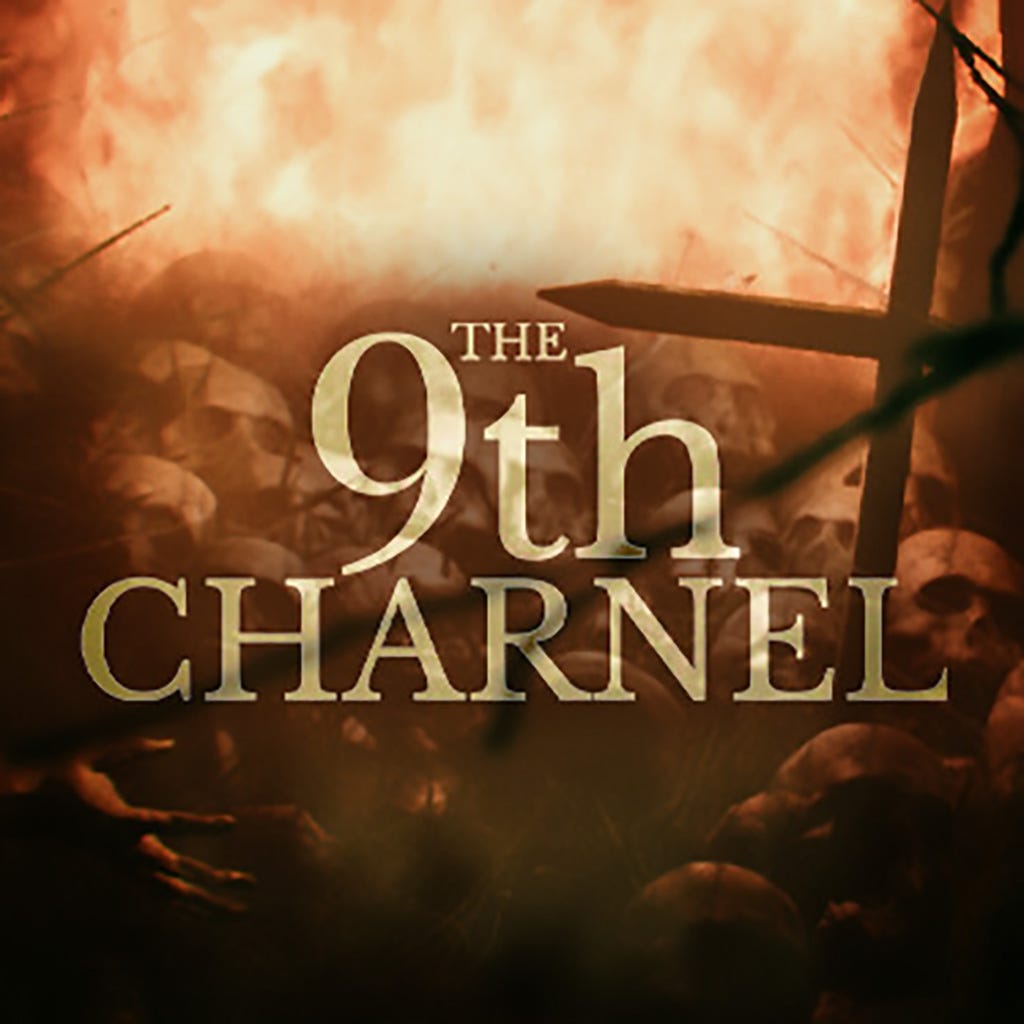
Psychological survival horror lives and dies by atmosphere. Not by jump scares, not by how many monsters you throw at the player, but by how effectively a game can make you feel unsafe when nothing is happening at all. The 9th Charnel by SOEDESCO Publishing understands this principle well. From its opening moments in a remote valley shrouded in isolation and dread, the game commits to a slow-burn descent into terror that leans heavily on mood, tension, and uncertainty.
You step into the role of Michael, a genetic scientist stranded during a research trip alongside colleagues Nadia and Daniel J. Hart. What begins as a search-and-rescue scenario gradually morphs into something far darker, as cult activity, strange rituals, and malevolent forces reveal that this valley is not just remote—it is wrong.
The result is a horror experience that prioritises unease over action, silence over spectacle, and psychological weight over outright chaos.
A Valley That Feels Hostile Before You See a Threat
The setting does much of the heavy lifting. The valley near the wildlife sanctuary is quiet, fog-laced, and eerily still. The environment feels abandoned but not empty, as though something is watching from just out of sight.
Environmental design plays a crucial role here. Dilapidated structures, overgrown paths, strange symbols etched into wood and stone, and the distant echo of unfamiliar sounds create an oppressive sense of presence. You rarely feel alone, even when nothing is directly happening.
This is where The 9th Charnel excels. It creates tension through suggestion rather than confrontation. Long stretches of exploration are punctuated by distant noises, fleeting shadows, or unsettling environmental storytelling that slowly builds anxiety.
Exploration and Discovery Drive the Narrative
The game doesn’t rush its story. Instead, it asks you to piece it together through exploration. Notes, objects, environmental clues, and subtle storytelling gradually reveal what happened in this valley and what role the cult and its rituals play in the nightmare unfolding around you.
Michael’s search for Nadia and Daniel becomes intertwined with uncovering the valley’s past. The deeper you go, the more personal the horror becomes. What begins as external threats slowly turns inward, questioning Michael’s mental resilience and his connection to the unfolding events.
The narrative pacing is deliberate, encouraging you to take your time, observe, and absorb.
Stealth First, Combat Later
Gameplay follows a familiar survival horror structure but executes it thoughtfully. Early on, you are vulnerable. Encounters with hostile figures are tense because your only real options are to hide, sneak, or evade.
Stealth is not just encouraged—it’s necessary. Sound matters. Movement matters. Rushing through areas will often result in quick, punishing encounters. Enemies patrol unpredictably, and the fear of being discovered adds a constant undercurrent of tension to exploration.
Later in the game, weapons become available, shifting the dynamic slightly. But even then, combat never feels empowering. Ammunition is scarce, enemies are dangerous, and fighting is always a last resort rather than a solution.
This balance keeps the fear intact. You never feel safe.
Resource Management and Pressure
Supplies are limited, and the game makes sure you feel that scarcity. Health items, ammunition, and useful tools must be scavenged carefully, and you’re constantly weighing whether to explore risky areas for potential rewards.
This creates a satisfying survival loop. Every decision carries weight. Do you investigate that dark building for possible supplies, or avoid it to conserve resources?
The pressure is subtle but persistent, reinforcing the game’s psychological tension.
Psychological Horror Over Shock Horror
What makes The 9th Charnel stand out is its focus on psychological horror rather than relying on frequent jump scares. Hallucination-like sequences, distorted audio cues, and moments where reality feels unreliable create a creeping sense of unease.
You’re never entirely sure whether what you’re seeing is real, imagined, or influenced by the valley’s malignant presence. This uncertainty keeps you on edge far more effectively than sudden frights would.
The game trusts the player’s imagination—and that trust pays off.
Visuals and Sound Design Carry the Experience
Cinematically realistic visuals and a haunting soundtrack are central to the game’s impact. Lighting is used masterfully, with shadows swallowing environments and limited visibility amplifying fear.
Sound design deserves special praise. Distant chanting, rustling foliage, echoing footsteps, and unnatural noises create a layered audio landscape that constantly feeds your paranoia.
Playing with headphones transforms the experience into something deeply immersive and unsettling.
Characters and Emotional Weight
While Michael is the primary focus, Nadia and Daniel are more than simple plot devices. Through discovered logs and story moments, their personalities and fears become clear, adding emotional weight to the search.
The cult and its motivations are also gradually humanised in disturbing ways, making the horror feel rooted in belief and ritual rather than random evil.
This grounding in human psychology gives the story greater impact.
Where the Experience Falters
Despite its strengths, The 9th Charnel does suffer from pacing issues. The slow, methodical exploration that builds tension can occasionally drag, especially when backtracking is required or when objectives aren’t entirely clear.
Movement can feel slightly stiff, and some stealth sequences become trial-and-error rather than organic encounters. These moments can briefly pull you out of the immersion the game works so hard to build.
Additionally, players expecting frequent action or varied gameplay mechanics may find the experience too restrained.
Final Verdict
The 9th Charnel is a thoughtful, atmospheric psychological horror game that prioritises tension, mood, and slow-burn storytelling over spectacle. Its oppressive setting, careful resource management, and unsettling audio design create an experience that lingers long after you stop playing.
While its pacing and occasional mechanical stiffness prevent it from reaching genre-defining heights, it remains a compelling journey into dread for players who appreciate subtle, psychological horror.