The shoot ’em up genre has always thrived on simplicity. Long before sprawling open worlds and cinematic storytelling, games asked players to dodge, shoot, and survive against overwhelming odds. Super Star Shooter Classic proudly embraces that philosophy, delivering a no-nonsense arcade experience that feels deliberately pulled from another era. This is a game that understands exactly what it wants to be: fast, colourful, and relentlessly focused on reflexes and pattern recognition.
Rather than attempting to reinvent the genre, Super Star Shooter Classic leans into nostalgia, polishing familiar mechanics with modern conveniences and clean presentation. For fans of classic arcade shooters, it’s a comforting return to form. For newcomers, it serves as a straightforward introduction to a style of game built on mastery rather than progression systems or narrative depth.
Old-School Design, Modern Execution
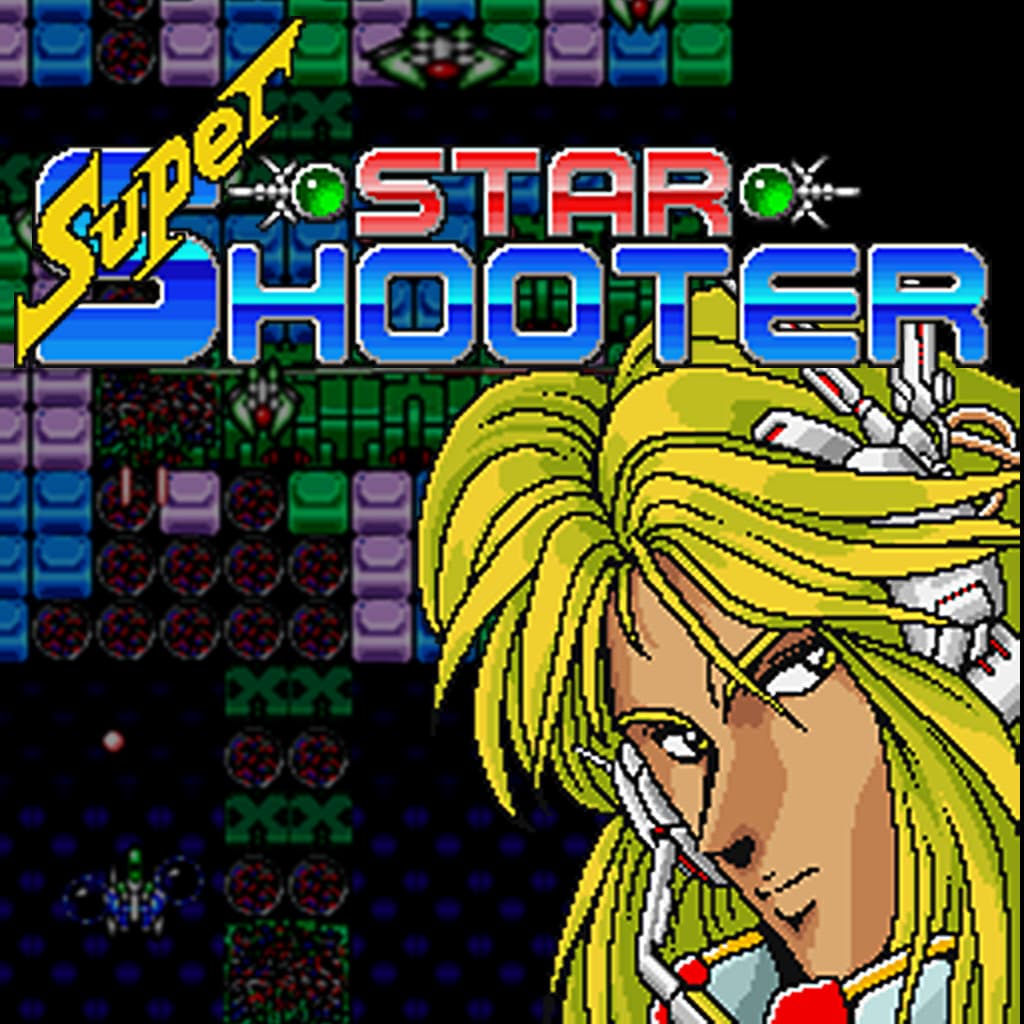
From the moment gameplay begins, Super Star Shooter Classic establishes its arcade pedigree. The screen fills with enemy formations, projectiles flood the playfield, and survival becomes a constant test of awareness and positioning. Movement is smooth and responsive, allowing players to weave through tight bullet patterns with precision.
Controls are intentionally simple. Shooting is constant, movement is crisp, and special abilities are limited to ensure the focus remains on core mechanics. This restraint works in the game’s favour. There’s no cluttered interface or overcomplicated systems to learn — just pure action that rewards quick reactions and memorisation.
Despite its classic approach, the game benefits from modern tuning. Hit detection feels fair, frame rates are stable on both PS4 and PS5, and input lag is virtually nonexistent. These details are crucial in a genre where a single missed input can mean instant failure.
Level Design and Enemy Patterns
Levels in Super Star Shooter Classic are structured as traditional scrolling stages, each culminating in a boss encounter designed to test everything you’ve learned up to that point. Enemy waves are carefully choreographed, with patterns that gradually increase in complexity rather than overwhelming players immediately.
This sense of escalation is one of the game’s strengths. Early stages ease players in, allowing time to adjust to movement speed and projectile density. Later stages ramp up the pressure with denser bullet patterns, faster enemies, and more aggressive formations. Success becomes less about reflexes alone and more about recognising patterns and anticipating danger.
Boss fights are highlights, offering multi-phase encounters with visually distinct attack sequences. While none of them reinvent the wheel, they’re satisfying tests of skill that feel appropriately climactic. Some bosses can feel slightly drawn out, particularly if you’re underpowered, but the tension they create generally outweighs any pacing concerns.
Power-Ups and Scoring
Power-ups play a central role in shaping each run. Collectibles dropped by enemies enhance firepower, provide defensive options, or offer temporary boosts that can turn the tide during intense moments. Managing these upgrades adds a subtle layer of strategy, as losing a life often means losing valuable power, forcing players to rebuild momentum.
The scoring system encourages aggressive play. Chaining enemy kills, maintaining survival streaks, and positioning yourself in risky situations all contribute to higher scores. This risk-reward structure gives the game lasting appeal beyond simply reaching the end credits. Players motivated by leaderboards and personal bests will find plenty of incentive to replay stages and refine their techniques.
However, players who are less interested in score chasing may find the experience more limited. Without deep progression systems or unlock-heavy structures, the motivation to continue largely comes from self-improvement rather than external rewards.
Visual Style: Colourful and Clean
Visually, Super Star Shooter Classic strikes a pleasing balance between retro inspiration and modern clarity. Bright colours, sharp sprites, and clean backgrounds ensure that enemy fire and hazards remain readable even during chaotic sequences. The art style is unapologetically arcade-inspired, evoking memories of classic cabinet shooters without feeling dated.
While the visuals are attractive, they are also repetitive. Environments change in colour palette and background detail, but the overall aesthetic remains consistent throughout. This cohesion works well for gameplay clarity, though players hoping for dramatic visual shifts between stages may feel slightly underwhelmed.
Effects such as explosions, weapon fire, and enemy destruction are satisfying without being overly flashy. The focus remains firmly on readability and performance, which suits the genre’s demands.
Sound and Presentation
Audio design supports the action effectively. Sound effects are crisp and responsive, giving immediate feedback for shots fired, enemies destroyed, and power-ups collected. These cues are essential in maintaining situational awareness, especially when the screen becomes crowded.
The soundtrack leans into energetic, synth-driven compositions that complement the fast-paced gameplay. While none of the tracks are particularly memorable on their own, they maintain momentum and enhance the arcade atmosphere without becoming distracting.
Menus and interface elements are clean and functional. Options are easy to navigate, and restarting after failure is quick, encouraging repeated attempts without frustration. This seamless loop of play, fail, retry is central to the arcade experience, and Super Star Shooter Classic executes it well.
Difficulty and Accessibility
Difficulty is one of the defining aspects of Super Star Shooter Classic. While the early stages are approachable, the challenge escalates quickly. Later levels demand precision and memorisation, leaving little room for error. This will delight genre veterans but may prove intimidating for less experienced players.
There are some accessibility options designed to soften the difficulty curve, such as adjustable settings and assist features. These additions help broaden the game’s appeal without undermining its core challenge. Still, this remains a game that expects commitment and practice.
The lack of extensive tutorials may also pose a barrier for newcomers. While the mechanics are simple, understanding optimal strategies and movement patterns takes time, and the game largely expects players to learn through repetition.
Replay Value and Longevity
Replayability is where Super Star Shooter Classic truly shines. The emphasis on high scores, perfect runs, and mastery encourages repeated play. Short stage lengths make it easy to jump in for quick sessions, while the difficulty curve ensures long-term challenge for those willing to invest the time.
However, content variety is limited. Once you’ve seen all stages and bosses, there are few surprises left beyond improving performance. This is true to the genre’s roots, but it does mean the game’s longevity depends heavily on your appetite for refinement rather than discovery.
Final Thoughts
Super Star Shooter Classic is a confident, focused celebration of arcade shoot ’em ups. It doesn’t chase trends or attempt to modernise the genre beyond necessary quality-of-life improvements. Instead, it delivers a polished, faithful experience built around tight controls, clear visuals, and demanding gameplay.
While its lack of variety and progression systems may limit its appeal for some players, those who appreciate pure arcade design will find plenty to enjoy. This is a game that respects its audience, challenges their skills, and rewards persistence — qualities that have defined great shooters for decades.