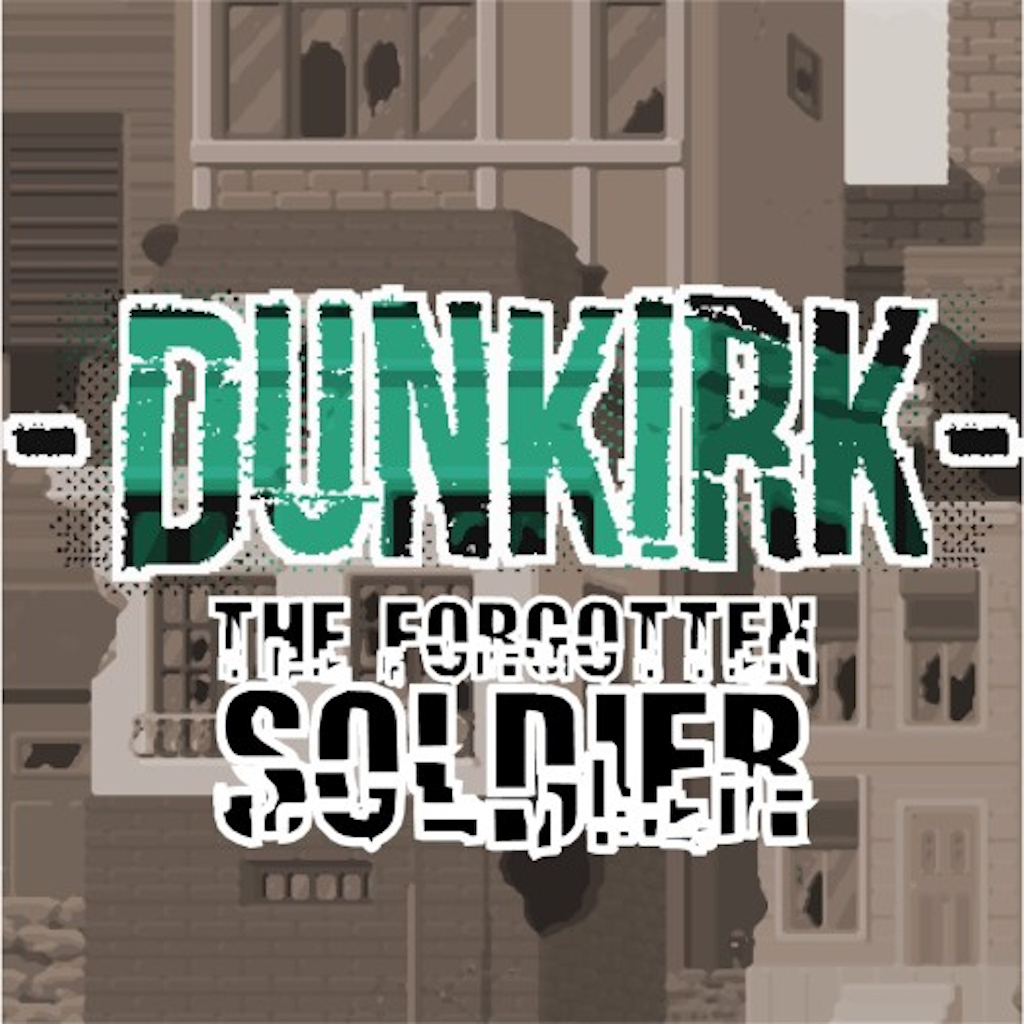
Historical shooters in the modern era often struggle to balance spectacle with solemnity, choosing either blockbuster spectacle or contemplative simulation. Dunkirk – The Forgotten Soldier for the Nintendo Switch challenges this binary with an experience that is as much about emotional immersion as it is about combat. Drawing inspiration from one of the most harrowing campaigns of the Second World War — the Allied evacuation from the beaches of Dunkirk in 1940 — the game combines intense firefights, survival mechanics, and narrative beats that frame the chaos of retreat as a crucible of courage and desperation.
After extensive playthroughs of its campaign missions, combined with repeated encounters across variable difficulty settings, Dunkirk – The Forgotten Soldier emerges as one of the most affecting military shooters in recent memory. It earns distinction by infusing action with atmosphere, constructing scenarios that feel grounded in lived experience rather than contrived spectacle. While the game occasionally falters in pacing and predictable design patterns, its capacity to evoke emotional engagement — without reducing history to mere entertainment — places it noticeably above the average shooter.
Historical Context and Narrative Approach
Dunkirk – The Forgotten Soldier isn’t simply a retelling of a famous evacuation; it is a first-hand narrative that places the player inside the boots of a named soldier caught in the crucible of retreat. Rather than recounting the broader strategic history, the campaign foregrounds personal survival, brotherhood under fire, and the moral ambiguity inherent in warfare. This narrative focus — on civilians drafted into conflict, on makeshift units thrown together, on chaotic orders — elevates the game from standard action fare into something resembling interactive historical reflection.
The campaign’s structure reflects the very nature of Dunkirk itself: fragmented, unpredictable, and fraught with escalating risk. Missions unfold in shifting locations — beaches under aerial bombardment, crumbling villages, flooded fields, hastily fortified perimeters. Through these spaces, the story unfolds not as exposition dumped in cutscenes but through environmental storytelling, soldier dialogue, and tactical context. There are moments of quiet reflection — a letter found on a fallen comrade, a stranded civilian pleading for help — that punctuate the otherwise relentless tension of battlefield survival.
Combat Mechanics and Tactical Engagement
Combat in Dunkirk – The Forgotten Soldier stands out for its gritty realism and deliberate pacing. Unlike arcade shooters that favour constant action, firefights here are tactical engagements where every bullet counts and positioning matters. Weapon handling feels grounded; rifles have weight, recoil is meaningful, and reloads require deliberate motion. Soldiers on both sides respect cover, flanking manoeuvres are effective, and suppressive fire genuinely influences enemy behaviour.
The AI is competent and challenging without feeling artificial: enemies react to noise, seek cover intelligently, and sometimes retreat or flank to gain advantage. Allied soldiers exhibit morale states that affect their responsiveness — pinned units become ineffective until rallied, and a wounded comrade’s fate matters to your team’s cohesion. This layered AI behaviour enhances immersion by making combat feel dynamic rather than scripted.
The game integrates stealth and tactical choice into combat loops. In several missions, running headlong into the open is not only unwise — it is suicidal. Players are encouraged to use shadows, rubble, and terrain to approach engagements methodically. Scout missions, sniper overwatch assignments, and silent takedown opportunities diversify encounters and reward situational awareness.
At its best moments, the combat feels like a choreographed chaos that places the player within a living battlefield — not just overlaying action on a static backdrop.
Environmental and Visual Presentation
Graphically, Dunkirk – The Forgotten Soldier utilises a muted palette that fits its historical tone. Beach dunes, grey skies, smoke-hung ruins, and brackish water dominate the visual field, but this is far from dull design. Instead, the subdued aesthetic reinforces the weary desperation of retreat. Dynamic weather — fog, drizzle, sudden rainstorms — affects visibility and tactical choice, adding both mood and mechanical depth.
The animation quality — from the recoil of a Lee-Enfield rifle to the stagger of a grenade blast — is grounded and convincingly rendered. Environmental effects, such as sand kicking up under fire, distant explosions lighting the horizon, and debris shifting underfoot, are consistent and impactful without overwhelming the player.
Sound design further amplifies immersion. Distant thunder of aerial bombardment, the shriek of artillery shells, the barked orders of squadmates, and the heavy thump of footsteps through marl and surf form a layered soundscape that always feels alive. Directional audio cues provide crucial tactical information, enhancing both realism and gameplay clarity.
Mission Design and Pacing
Missions in Dunkirk – The Forgotten Soldier are structured to evoke both tension and tactical variance. Early objectives emphasise survival: reaching extraction points, maintaining defensive lines, rescuing stranded civilians or friendly units. Later stages introduce more complex objectives, such as timed evacuations under heavy fire, covert diversionary assaults, or coordinated boat crossings under threat from air and shore batteries.
However, the pacing occasionally stumbles. A handful of missions interpose prolonged traversal or sparse combat segments between major engagements, which can feel like unresolved connective tissue rather than intentional quiet moments. These lulls are not frequent enough to be detrimental, but they interrupt the otherwise consistent rhythm of engagement and reflection.
The narrative pacing, conversely, is carefully calibrated. Emotional beats tend to land most powerfully when the game shifts focus from large-scale skirmishes to personal encounters — a wounded comrade, a civilian caught between lines, or a decision that prioritises survival over strategic idealism. These moments distinguish the game from shooters that reduce war to spectacle.
Accessibility, Difficulty, and Replay Value
Accessibility options in Dunkirk – The Forgotten Soldier are solid. Multiple difficulty settings allow both newcomers and seasoned tactical shooter fans to find a comfortable challenge. Aim assists, enemy visibility toggles, and adjustable HUD elements cater to differing playstyles without undermining immersion.
The game’s difficulty curve is fair — early missions function as mechanical introductions, while later ones demand coordination, environmental awareness, and strategic patience. Unlike some historical shooters that rely on bullet sponge enemies or overwhelming waves, this title preserves tension through smart enemy placement and controlled escalation.
Replay value is bolstered by mission variants, hidden objectives, and a scoring system that rewards stealth, precision, and minimal casualty counts. These incentives encourage players to refine approach strategies and experiment with different tactical options on subsequent playthroughs.
Critiques and Limitations
Despite its many strengths, Dunkirk – The Forgotten Soldier is not without limitations. The narrative — while emotionally effective in moments — lacks a broader thematic arc that gives the earlier missions a sense of escalating consequence. Some players may find the pacing uneven, particularly in transitions between major combat sequences and quieter traversal sections.
Enemy variety is competent, but a broader range of adversary behaviours or specialised units might have deepened tactical complexity. Likewise, while the squad mechanics are well implemented, deeper characterisation of AI teammates could enhance player investment in their fates beyond functional utility.
Final Verdict
Dunkirk – The Forgotten Soldier stands as an evocative, tactical, and deeply immersive shooter that marries emotional weight with methodical gameplay. Its strengths in atmospheric design, weapon realism, and nuanced combat mechanics make it one of the more compelling historical shooters on the Nintendo Switch. While it occasionally falters in pacing and narrative breadth, the game’s capacity to evoke the tension and humanity of desperate retreat sets it apart from its peers.